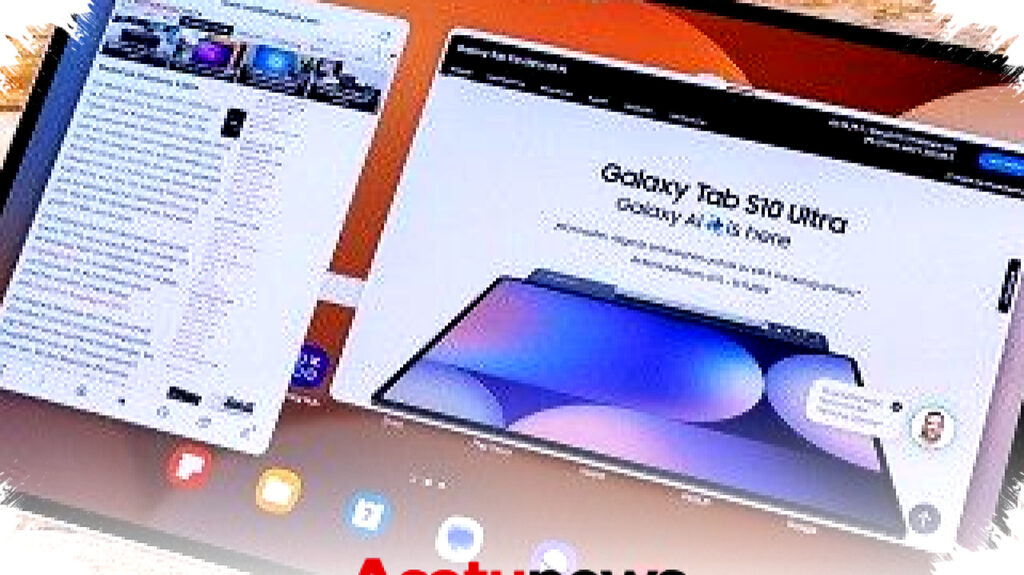
In 2026, tablets have increasingly emerged as viable replacements for laptops in various work environments. Their portability and versatile performance suit users who prioritize mobility and flexibility. These devices can now handle everyday office tasks, creative projects, and moderate multitasking with ease, making them attractive options for remote workers, freelancers, and professionals on the go.
The broad range of operating systems—including Android, iPadOS, and Windows—ensures diverse options for users, each catering to distinct productivity needs. Whether it involves document editing, video conferencing, or light coding, modern tablets bridge the gap between conventional laptops and mobile devices. Below are the top recommended tablets that effectively substitute laptops for work in 2026.
1. Samsung Galaxy Tab S11 Ultra
Samsung continues to strengthen its position in the productivity tablet segment with the Galaxy Tab S11 Ultra. It features a large 14.6-inch AMOLED display and flagship-level performance, ideal for multitasking and detailed presentations. The standout feature, Samsung DeX, transforms the tablet’s interface into a desktop-like environment, enhancing usability with keyboard and mouse inputs. This hybrid setup suits office workers and content creators requiring both mobility and power.
2. Microsoft Surface Pro 11
Surface Pro 11 stands out as a tablet that runs a full Windows OS, allowing access to professional-grade software like advanced Excel and coding tools. Its flexible design combines touchscreen functionality with a detachable keyboard, emulating a laptop experience. Despite a higher price point and somewhat limited battery life compared to pure tablets, it is especially recommended for analysts, finance professionals, and programmers looking for a portable yet fully capable workstation.
3. Apple iPad Pro M4
Powered by Apple’s M-series chip, the iPad Pro M4 delivers laptop-level performance optimized for video editing, graphic design, and extensive typing tasks when paired with the Magic Keyboard. Its extensive creative app ecosystem remains a key advantage. While it may not fully replace laptops for complex data tasks, it caters well to journalists, designers, and mobile workers who emphasize creativity and portability.
4. Huawei MatePad Pro 12.2
The MatePad Pro 12.2 by Huawei targets productivity with bundled accessories like a keyboard and stylus. It supports WPS Office desktop versions, providing a document editing experience close to that of a laptop. The absence of Google services might limit some users, but its multitasking capabilities and ease of use make it suitable for light document management and presentations.
5. Xiaomi Pad 7 Pro
Xiaomi’s Pad 7 Pro introduces a workstation mode that supports efficient multitasking for light to medium work tasks. Offering competitive performance at a lower price, it appeals to students, freelancers, and professionals needing a secondary device for meetings and writing. This tablet is ideal for users who want a budget-friendly option with decent productivity features.
When Can Tablets Fully Replace Laptops?
Tablets excel in scenarios that emphasize flexibility and on-the-move productivity. Tasks such as editing documents on Google Docs or Microsoft Word, preparing basic presentations, and working within apps like Notion or Canva run smoothly. They also support moderate multitasking, allowing users to process emails, conduct online meetings, and perform research simultaneously.
However, tablets still encounter limitations with complex data processing. Heavy use of Microsoft Excel macros or pivot tables often challenges their performance. Likewise, professional software like AutoCAD or comprehensive coding environments require laptop-grade systems. Running multiple demanding applications at once also remains a hurdle for many tablets.
Therefore, tablets serve well as laptops’ substitutes when work demands remain light to moderate. For technical or intensive workloads, traditional laptops retain their edge in reliability and power.
According to data referenced from Medcom, the increasing preference for flexible work devices fuels users’ gravitation towards tablets. The compact design, combined with growing capability, fits the needs of the modern workforce that values portability without sacrificing essential productivity.
The evolving tablet ecosystem in 2026 offers numerous options tailored to different work styles and requirements. From creative professionals to corporate users and students, these tablets provide efficient alternatives to traditional laptops for a wide range of use cases.