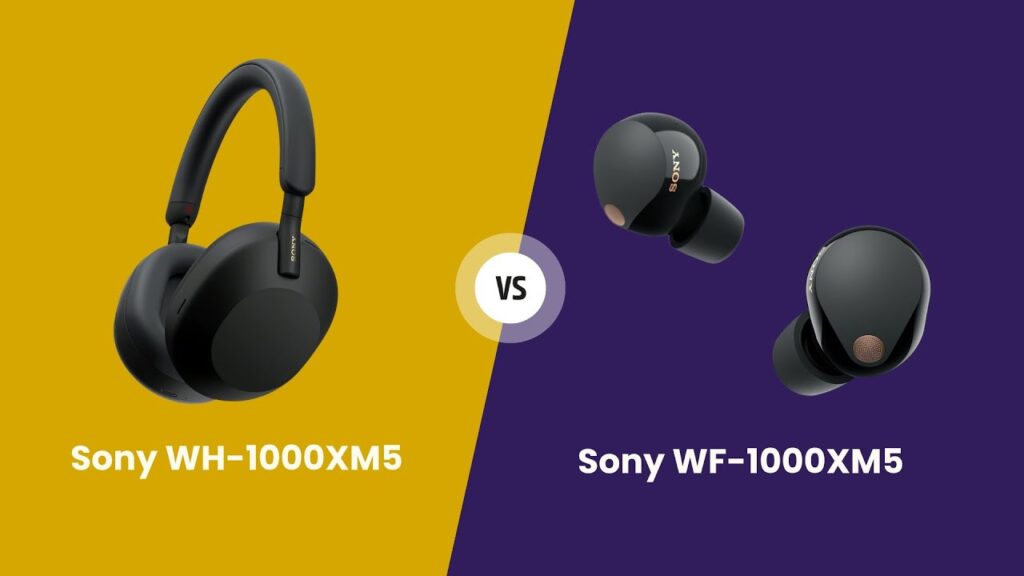
The smallest audio devices often cause the biggest buying mistakes. TWS, earbuds, and earphone are frequently treated as interchangeable terms, yet each one has a different design, connection method, and everyday use.
That difference matters because comfort, mobility, and calling needs are not always the same. A product that feels practical for music playback may not be the best option for communication or long listening sessions.
Why these terms are often confused
Personal audio devices such as TWS, earbuds, earphone, headset, and headphone all serve the same basic purpose: they deliver sound directly to the user’s ears. They also help keep audio private so people nearby are not disturbed.
The problem starts when similar names are used casually in stores and daily conversation. That habit can make buyers think they are choosing one thing while actually getting a device with a different design and function.
TWS stands out for full wireless use
True Wireless Stereo, or TWS, works without cables and sends audio through Bluetooth. It is designed to connect with smartphones, laptops, and tablets, which makes it easy to use across different devices.
Its main appeal is convenience. Because it has no wire, TWS is easier to carry and use during daily movement, and its compact shape supports users who want practical audio gear on the go.
TWS is also described as a development of Bluetooth-based wireless earphones. It became more common alongside Bluetooth 5.0, which is used to transmit sound from connected devices.
Earphone still supports communication well
Earphone is smaller than a headset or headphone. Unlike those larger devices that cover the whole ear, earphone only covers the ear opening.
It was first widely known as a wired device using a 3.5 mm audio jack. Over time, earphone also developed wireless support through Bluetooth and even TWS.
Its function goes beyond music playback. Earphone usually includes a microphone, so it can be used for communication, and many models also provide built-in controls for volume adjustment, phone calls, and music playback.
Earbuds focus on compact fit
Earbuds also evolved from wired models to wireless versions as audio products increasingly prioritized convenience. Their defining feature is the small shape that fits into the ear.
This design makes earbuds easy to put on and remove, while also helping them stay in place so they do not fall out easily. That practical shape is one reason earbuds remain widely used for everyday listening.
Comfort, however, has been an important concern. Some older models were made from plastic materials that could cause pain if worn too long, though many newer earbuds now use softer materials to improve long-wear comfort.
Choosing based on actual needs
Each type answers a different priority. TWS is strongest in full wireless convenience, earphone emphasizes compact audio and communication features, and earbuds are known for their small in-ear fit and easy wear.
Understanding those differences can prevent unnecessary disappointment after purchase. Not every user wants the same balance of portability, call control, and comfort, so knowing the terms before buying helps narrow the choice more accurately.
That awareness is especially useful because many sellers use these names loosely. When the distinction is clear before checkout, the risk of picking the wrong small audio device becomes much lower.