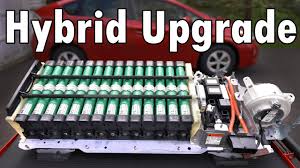
A Toyota hybrid battery that does not often reach 100 percent is not necessarily a sign of trouble. In fact, that behavior is part of the system’s design, which prioritizes durability, efficiency, and reliable performance over a constantly full charge.
The battery management strategy in Toyota hybrids works differently from that of a pure electric vehicle. Rather than aiming to keep the battery topped up at all times, the system holds it within a safe operating range so it can support the car for the long term.
Why the battery is not kept full
One of the main reasons is battery life. Hybrid batteries are generally maintained in a healthy window of about 60 to 80 percent, so the cells are not repeatedly exposed to a full-charge condition.
That approach helps reduce wear over time. If the battery were forced to stay full too often, its condition could degrade faster, which is exactly what the hybrid system is built to prevent.
The result is simple: a battery gauge that does not regularly hit 100 percent can actually indicate that the car is being managed correctly.
Space reserved for braking energy
There is also a practical reason tied to regenerative braking. When the car slows down or brakes, the system converts that energy into electricity and sends it back to the battery.
For that energy to be stored efficiently, the battery needs room. If it were already full, the electricity recovered during braking could not be captured as effectively.
That reserved capacity is one of the reasons hybrid vehicles are able to make better use of energy that would otherwise be wasted during everyday driving.
The computer controls the process
The hybrid computer also plays a central role in deciding when the gasoline engine should help charge the battery. Once the battery reaches the level needed to support driving performance, charging stops automatically.
This is done to keep fuel use efficient. In a hybrid system, chasing a permanent 100 percent charge is not the goal, because the system is designed to balance energy use across the gasoline engine, the electric motor, and braking recovery.
That is why the battery indicator in a hybrid car should not be read like the battery icon on a regular electronic device. What appears on the panel is the result of controlled energy management, not a sign that the battery must always be full.
Basic care still matters
Even though the system manages battery charge on its own, owners still need to keep up with basic maintenance habits. Regular use is important, because a hybrid car should not be left unused for too long.
Using or starting the vehicle routinely helps keep the battery condition stable and reduces the risk of it dropping unexpectedly. Clean ventilation also matters, since the battery cooling system relies on smooth airflow to keep temperatures under control.
If the ventilation area is blocked by dust or items, airflow can be restricted. That can lead to excess heat and may affect battery performance.
Using EV mode with restraint
Owners are also advised not to overuse EV mode. The feature is useful because it allows the car to rely more on electric power and save fuel, but it still has operating limits.
When battery power is low, pushing EV mode too hard can make the system work more heavily. For that reason, the feature is best used in line with the vehicle’s condition and the hybrid system’s settings.
Understanding this behavior helps prevent unnecessary concern when the battery gauge does not stay at the top. In normal operation, that lower-than-expected reading is part of how the battery is protected, kept efficient, and left ready to accept energy from braking.