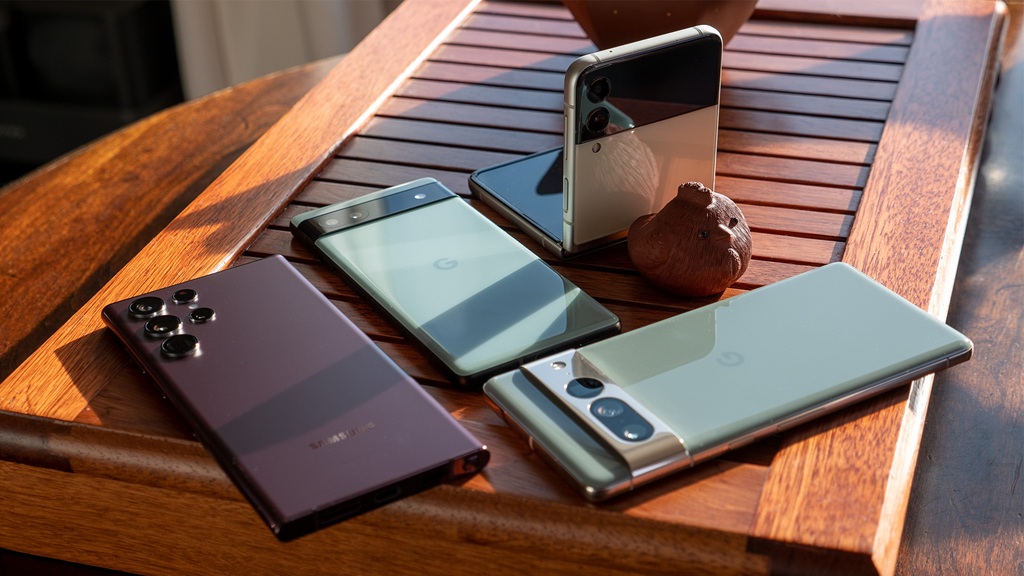
A refurbished smartphone can look nearly identical to a brand-new unit, yet the difference behind the panels and components is what determines whether the purchase feels smart or risky. That gap matters because refurbished phones are often sold at a lower price, making them attractive to buyers who want higher specifications without paying for a fresh device.
The term is increasingly common across marketplaces and gadget stores, but it is still often mistaken for a standard used phone. In practice, the two are not the same, because a refurbished device has usually gone through repair, inspection, and testing before being resold.
What makes a refurbished phone different
A refurbished phone is a smartphone that previously experienced a specific problem and was then repaired before being sold again. Its source can vary widely, including consumer returns, failed distribution stock, display units, or devices with minor damage that have already been restored.
That process places refurbished devices somewhere between new and used phones. Some units may even appear very clean on the outside, despite not coming straight from the factory.
Not just second-hand
The biggest distinction lies in how the phone is handled before resale. A used phone is generally sold directly by its previous owner, so its condition depends entirely on prior usage.
Refurbished phones, by contrast, usually pass through hardware checks, physical cleaning, component replacement, and functional testing. In some cases, the battery, screen, or casing is also replaced so the device works and looks better.
Official and unofficial refurbished units
Not all refurbished phones come from the same channel. Apple and Samsung, for example, have official certified refurbished programs handled directly by the manufacturer under certain standards.
Official units like these are typically re-tested, cleaned, fitted with official parts, and still come with a warranty. In Indonesia, however, the term refurbished is also often used for non-official reconditioned devices repaired by third parties.
The quality of non-official units can vary greatly depending on the repair shop and the parts used. That is one reason refurbished phones in marketplaces can be much cheaper than official units.
Why the price is lower
Refurbished phones usually cost less because they are not brand-new devices. Some have been used before or had earlier problems, and some also use replacement parts that are not original, which lowers repair costs.
In many cases, these devices are also sold without a full package, such as the original charger or official retail box. Even so, they remain popular because they make flagship smartphones more accessible at a lower price.
Older premium models, including iPhone flagships and high-end Android phones, are often sought after in the refurbished segment. The price difference from a new unit can be substantial, which keeps this market active even when new smartphones feel expensive to many buyers.
Risks that should not be ignored
A low price does not automatically mean a safe deal. One of the most common risks is replacement component quality that may not match factory parts.
Some users also report reduced battery life, weaker display performance, camera issues, or lower device durability after longer use. In addition, not every seller provides clear warranty coverage for refurbished units.
For that reason, purchases should be made carefully and preferably through sellers with a trusted reputation. A careful initial inspection can help reduce the chance of getting a phone whose repair quality is unclear.
Signs worth checking before buying
Several clues can help identify a refurbished device. A price that is far below the market rate can be an early warning sign.
The packaging may also differ from the original retail box. On some smartphones, the serial number or IMEI can be checked to see the device status, while iPhone users can examine the model number to determine whether the unit is new, a replacement, or refurbished.
A phone that looks unusually clean for an older device can also suggest that it has been reconditioned. Still, physical appearance alone is not enough without checking the device status and the seller’s completeness.
Worth considering, with caution
Refurbished phones are not always a bad choice, especially when they come from an official manufacturer program. For buyers who want higher specifications at a more affordable price, they can be an appealing option as long as the risks are understood from the start.
Non-official refurbished units require more caution because the repair quality is not always transparent. Before buying, it is important to check the seller’s reputation, confirm warranty availability, verify the IMEI, and test the hardware condition whenever possible.
Source: www.medcom.id