The U.S. electric vehicle market is heading into a more crowded and more demanding phase, with buyers placing greater weight on range, charging speed, and mid-range pricing than on brand alone. That shift is creating the conditions for Tesla to face far stronger pressure as Hyundai, Kia, BMW, GM, Volkswagen, and new global partnerships line up fresh models for the next wave of competition.
The real battleground is not only the premium end of the market. Many of the most watched EVs now sit around the $35,000 to $45,000 range, which has turned the middle of the market into the most important space for automakers trying to reach everyday buyers.
The middle of the market is becoming the key fight
Tesla still leads with the Model Y and Model 3, but competition around it is getting tighter. Chevrolet Equinox EV, Hyundai Ioniq 5, and Ford Mustang Mach-E have already become familiar names in the discussion, while more brands are preparing to expand the list further.
That matters because the next stage of EV growth will likely depend on value, not just novelty. Buyers want affordable electric vehicles that travel farther on a charge and spend less time plugged in, and that combination is now shaping product planning across the industry.
Hyundai, Kia, GM, and Volkswagen are building the next wave
Starting in 2026, the U.S. market is expected to see a steady stream of new EVs from mass-market models to high-performance vehicles. Hyundai and Kia are preparing a wider electric lineup that is expected to support several new middle-market products with broad appeal.
GM is also continuing to invest in the platform programs it supports, while Volkswagen is pushing ahead with a broader EV lineup in the U.S. That includes continued development around the ID.4 and its next versions.
For shoppers, the result should be simple: more choices in the price band that matters most. For manufacturers, it means the competition will increasingly come down to a mix of range, features, efficiency, and overall value.
BMW is betting on faster charging and longer range
One of the most notable moves comes from BMW. The next-generation BMW iX3 and a reimagined BMW i3 are expected to use BMW’s next 800-volt architecture.
That technology is important because it supports longer driving range and faster charging. In a market where hesitation around charging remains a major barrier, those two advantages can carry significant weight.
BMW’s approach also shows how EV competition is changing at the premium level. Design alone is no longer enough to stand out, and the focus has shifted toward everyday usability, charging time, and a more mature driving experience.
Performance EVs are also raising the stakes
The coming years are not only about practical family EVs. From 2026 to 2030, the market is also expected to see a stronger push from high-performance electric vehicles.
Alfa Romeo’s Stelvio EV is said to be capable of nearly 950 hp with an advanced 800-volt system, while the Alfa Romeo Giulia EV is reported to reach up to 1000 hp in its top version. Those figures show how electric SUVs and sedans are moving into territory that directly challenges established premium offerings in the U.S. market.
That trend also highlights a broader change in how EVs are being positioned. They are no longer framed only as efficient alternatives, but also as platforms for strong acceleration, high output, and advanced electrical systems.
Software-focused brands are joining the race
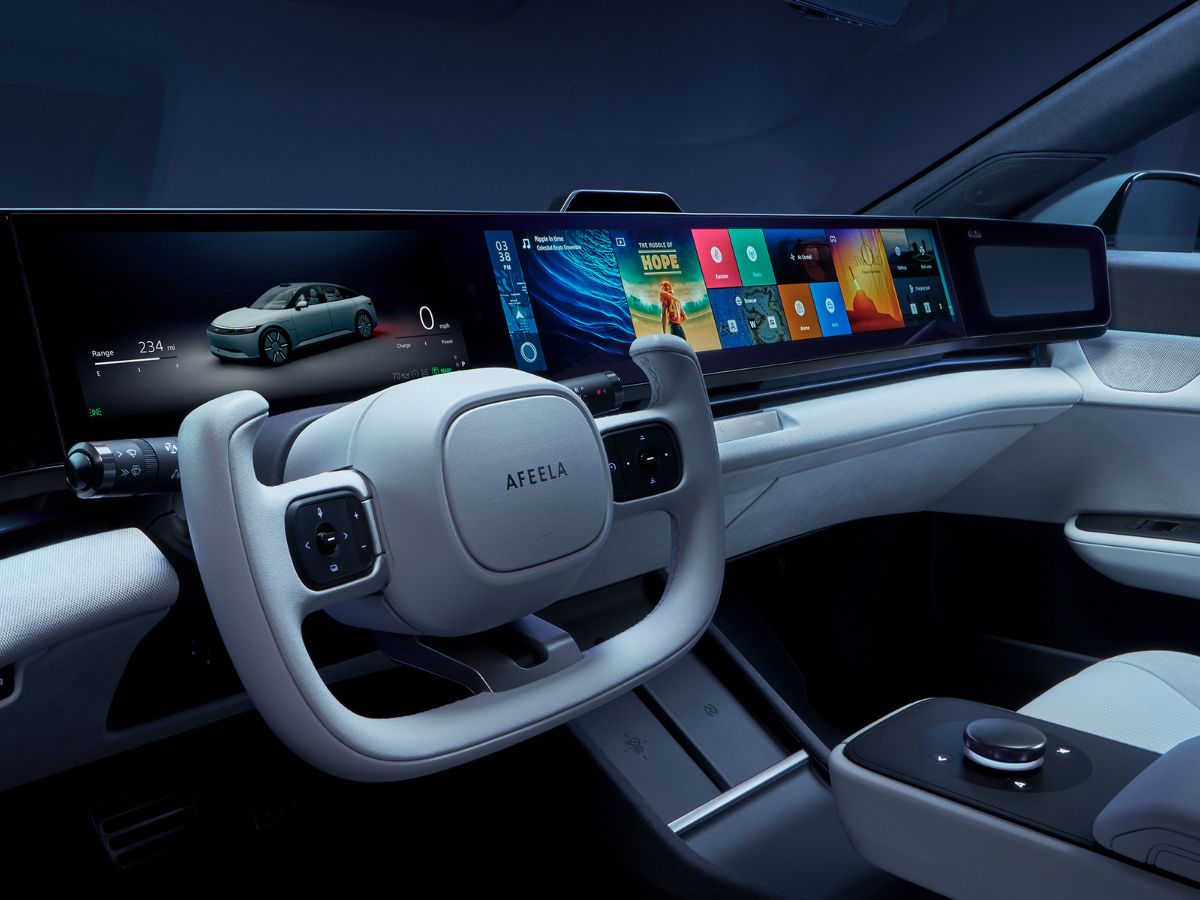
The next competitive phase will also be shaped by new partnerships and software-led brands. Sony Honda Mobility is scheduled to launch the Afeela 1 in 2026, bringing a product that puts software at the center of the experience.
Renault’s Alpine brand is also mentioned as a possible U.S. entrant between 2027 and 2030. That move still depends on pricing and tariff conditions, so its path is not yet certain.
As more players prepare for entry, the U.S. EV market is set to become more varied and more aggressive. By the end of the decade, the brands that can combine range, charging speed, software, and attractive pricing are likely to define the next phase of the competition.
Source: sundayguardianlive.com-

-

-

-