Camera-focused smartphones in 2026 are no longer limited to ultra-expensive flagships. The lineup now includes models that push zoom, low-light performance, portrait tuning, and video recording in very different ways.
That wider spread gives buyers more room to choose based on their actual priorities. Some users will care most about long-range zoom, while others will want cleaner night shots, stronger stabilization, or a more affordable entry point to a 200MP camera with OIS.
The most affordable path to 200MP OIS
Among the five, Redmi Note 14 Pro+ 5G stands out as the most accessible option. Starting at Rp 4 million, it already carries a 200MP main camera with OIS, plus AI imaging support to help improve detail and color automatically.
Its camera setup is simpler than the premium models, but it still covers the essentials with an 8MP ultrawide camera and a 20MP selfie camera. For video, it supports 4K 30fps, while its hardware package includes Snapdragon 7s Gen 3, 8GB to 12GB of RAM, 256GB to 512GB of storage, a 5,110 mAh battery, and 120W Hypercharge.
Zoom-heavy options target more demanding users
For users who prioritize reach, Samsung Galaxy S26 Ultra remains one of the strongest names in the group. It combines a 200MP main camera, a 50MP periscope telephoto with 5x optical zoom, a 10MP telephoto with 3x optical zoom, and a 50MP ultrawide camera.
Samsung also pushes its AI Zoom system, which uses deep learning to keep results usable from 1x up to 100x. On top of that, ProVisual Engine is designed to make night photos look cleaner and more dramatic, while the rear camera system supports 8K 30fps and 4K 120fps video recording.
Low-light shooting and sensor size remain important
Xiaomi 17 Ultra takes a different route by focusing on a large sensor and stronger light capture. Its 50MP main camera uses an f/1.63 aperture, a 1-inch sensor, and OIS, which helps the phone handle night scenes with better detail and lower noise.
The rest of the system also supports that low-light approach, with a 200MP telephoto camera offering 5x optical zoom and a 50MP ultrawide camera. Xiaomi adds a 32MP front camera, making the device attractive for users who often shoot in concerts, cafés, or other dim environments.
Balanced 50MP cameras and broad stabilization
OPPO Find X9 uses a more even setup across its rear cameras. The phone features three 50MP sensors for the wide, ultrawide, and telephoto cameras, and all of them come with OIS.
That balanced arrangement is paired with zoom capability reaching 120x, which makes the device relevant for shooting distant subjects such as concert stages, wildlife, or far-off landscapes. For video, it supports 4K 120fps, and the rest of the package includes a 6,000 mAh battery, 100W fast charging, 50W wireless charging, up to 16GB of RAM, and up to 512GB of internal storage.
Portrait users get a different kind of advantage
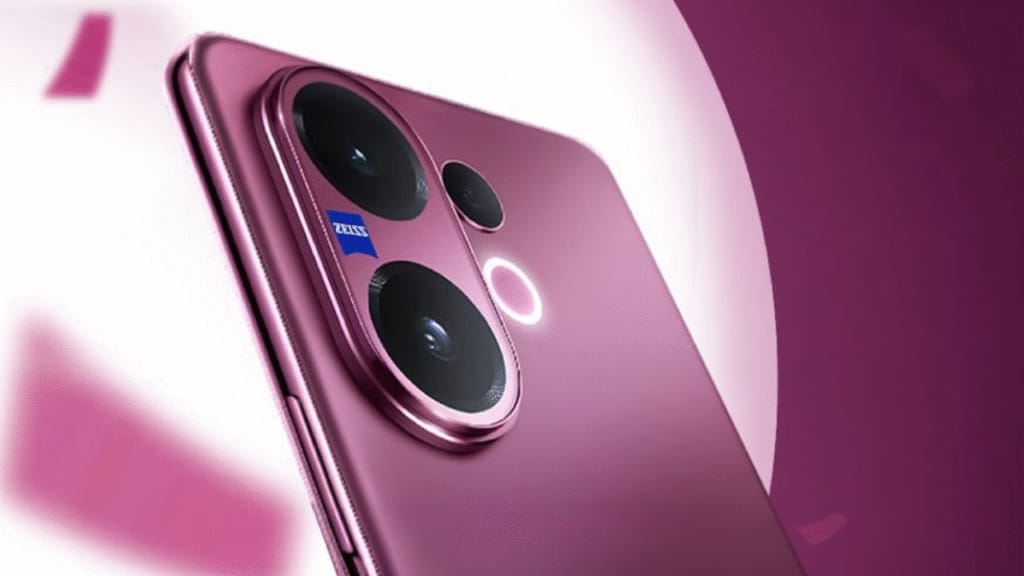
The Vivo V60 series is built around a more stylized camera experience. Its ZEISS optics give the phone a distinct color character, which is part of why it appeals to users who care about portrait photography.
The main camera uses a 50MP Sony IMX766 sensor, while the telephoto camera also carries 50MP with an IMX882 sensor. Vivo includes a 50MP selfie camera with ZEISS optics as well, and the aura light feature helps when shooting indoors or in low ambient light, including café portraits and event photos.
On the performance side, the series uses Snapdragon 7 Gen 4, with up to 12GB of RAM and up to 512GB of storage. It also carries a 6,500 mAh battery and 90W flash charge support.
Taken together, the five phones show how varied mobile photography has become in 2026. Samsung Galaxy S26 Ultra is aimed at zoom and top-tier video, Xiaomi 17 Ultra focuses on low light, OPPO Find X9 leans on stabilization and long reach, Vivo V60 series emphasizes portrait character, and Redmi Note 14 Pro+ 5G offers the most affordable entry to 200MP OIS.