Fashion brands are under constant pressure to turn ideas into sellable products faster, and Lectra is pushing that process closer to the factory floor. The company is linking creative design and manufacturing requirements through its Modaris and Gerber AccuMark CAD solutions so teams can move from sketch to production with fewer delays and less rework.
At the center of that effort is a practical problem that many apparel companies still face: key design decisions are often made without full visibility into fit, construction, or production feasibility. John Brearley, president of Americas at Lectra, said the issue is not only about aesthetics, but also about efficiency, quality, and sustainability.
From 2D pattern work to production-ready 3D
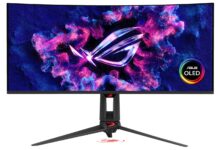

Modaris and Gerber AccuMark support patternmaking from digital pattern creation through to 3D prototypes that are closer to production reality. Their 3D tools let patternmakers simulate fit directly from industrial 2D patterns, using material libraries and configurable or imported 3D avatars or mannequins.
That combination of 2D pattern engineering and 3D visualization helps teams validate volume, proportions, fit, and construction logic before a physical sample is made. As a result, design intent can be turned into a manufacturable product sooner, without waiting through multiple revision cycles.
Brearley said synchronizing 2D and 3D also reduces misinterpretation between design and production. He added that the approach cuts iterations and oversampling, while accelerating early-stage decisions that can shorten time-to-market.
Why sizing remains a difficult moving target
Brearley also pointed to inconsistent sizing as a major industry challenge across brands and markets. A single numeric size can mean different measurements from one brand to another, even within the same country, because each company uses its own measurement table.
The challenge grows as brands try to serve more body types. Many now offer fit categories such as standard, athletic, petite, tall, and plus-size, which expands inclusivity but also increases sizing variation.
That is where data compatibility becomes important. Lectra says the latest versions of Modaris and Gerber AccuMark are fully compatible, allowing brands to collaborate with partners using different CAD systems with fewer obstacles.
The compatibility helps preserve data integrity as files move across global supply chains. It also lowers the risk of inaccuracies that can appear when pattern files need to be converted between systems.
Automation and early cost visibility
Lectra has also brought automation rules and grading logic into the CAD environment through Modaris Expert and Gerber AccuMark. This gives pattern changes more control and helps patternmaking and production teams work from the same logic, which supports fit consistency across sizes.
The company says this also reduces rework and communication gaps because the patterns handed over to production follow a more standardized structure. In practice, that can make development cleaner before manufacturing starts.
Brearley emphasized another issue that often appears late in development: fabric consumption and cost estimation. Material choices are too often adjusted only after design work has progressed, which can create inefficiency, overdevelopment, and waste.
By exposing that data earlier, design, finance, and sourcing teams can make decisions together sooner. Development teams can assess feasibility without giving up creative intent, while finance teams gain earlier cost visibility to help control margins.
A wider digital system for fashion operations
Modaris is part of Lectra’s broader digital strategy, which combines software, equipment, data, and services to help brands move faster and more precisely. The company describes five strategic pillars that shape the fashion value chain: create, manufacture, market, collaboration, and traceability.
Within manufacture, Valia Fashion is a cloud-based solution designed to simplify apparel production. It can improve productivity with equipment and processes from any vendor, while connecting cutting room components and supporting Industry 4.0 technologies.
On the market side, Retviews and Neteven help brands make decisions from assortment planning to pricing, inventory efficiency, and digital expansion. Kubix Link PLM serves as a collaboration hub that brings together internal teams with suppliers, subcontractors, and global partners.
TextileGenesis adds traceability and transparency to the production process. By connecting creation, manufacturing, and marketing in one ecosystem, Lectra aims to make cross-team decisions faster, more accurate, and easier to trace.