A post can look polished and still underperform if it goes live at the wrong moment. On fast-moving social platforms, the first response from viewers often decides whether content gets a wider push or fades quickly into the feed.
That early response matters because algorithms usually test content with a small group first. They then watch for signals such as full views, likes, comments, shares, and saves before deciding whether to expand reach.
Why timing shapes performance
Upload time affects who is online when a post appears. If followers are working, in class, asleep, or commuting, the initial response is often weaker.
Audience habits also vary from one account to another. Students often check social media in the afternoon or at night, office workers tend to be active during lunch breaks or after work, while homemakers are often more active in the morning or daytime.
That is why a posting schedule that works well for one account may not work for another. A gaming post, for example, often fits better at night, while a recipe post may perform better in the morning or late afternoon when people are thinking about what to cook.
Peak activity can help, but it is not a fixed rule
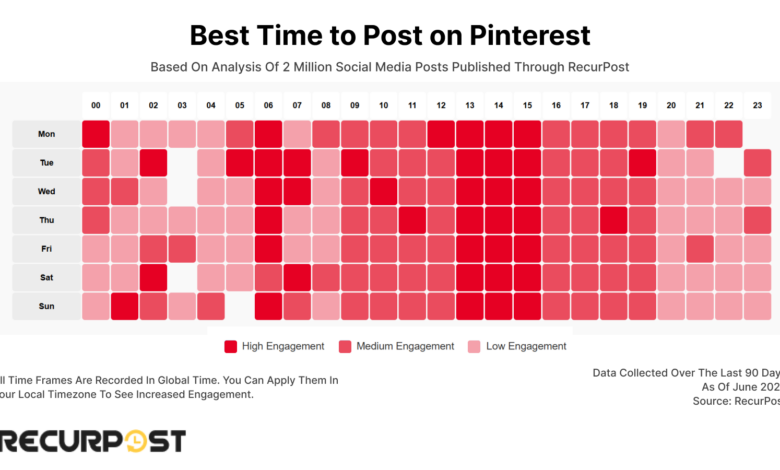
There are also periods when overall user activity rises sharply. Lunch hour, late afternoon through evening, and weekends are often seen as moments when content has a better chance of being noticed.
Even so, a busy time is not always the best time for every account. Smaller accounts may sometimes benefit from posting when competition is lighter, so testing still matters.
The opposite can also work against a post. A video uploaded at 3 a.m., for instance, may lose momentum because by the time followers wake up, many new posts may already have filled their timelines.
This kind of timing issue is especially common on platforms with a rapid content flow such as TikTok and X. In practice, the goal is not only to catch a crowded hour, but also to avoid moments when the audience is simply not opening the app.
Consistency also sends a signal
Timing does not work alone. A steady posting pattern can also help build expectations among followers.
Many creators keep a routine, such as posting at 7 p.m. or every morning. Over time, that habit can train followers to expect content at a certain hour.
Regular activity may also help an account appear more reliable to the platform. Consistency does not replace good content, but it can support visibility when combined with a clear schedule.
How to find the best time for each account
The easiest place to start is the data already available inside the account. Platforms such as TikTok and Instagram provide insights that show when followers are most active.
After that, creators need to test different posting times over several weeks. Views alone are not enough to judge the result, because comments, shares, saves, and watch time also show how strong the audience response is.
Content format should also be part of the calculation. Entertainment posts often do better at night, while educational posts may work more effectively in the afternoon or early evening.
In the end, upload time is only one part of performance. Video quality, ideas, editing, captions, and consistency still play major roles, but the right posting window can give content the early lift it needs to reach more people.
Source: www.idntimes.com