


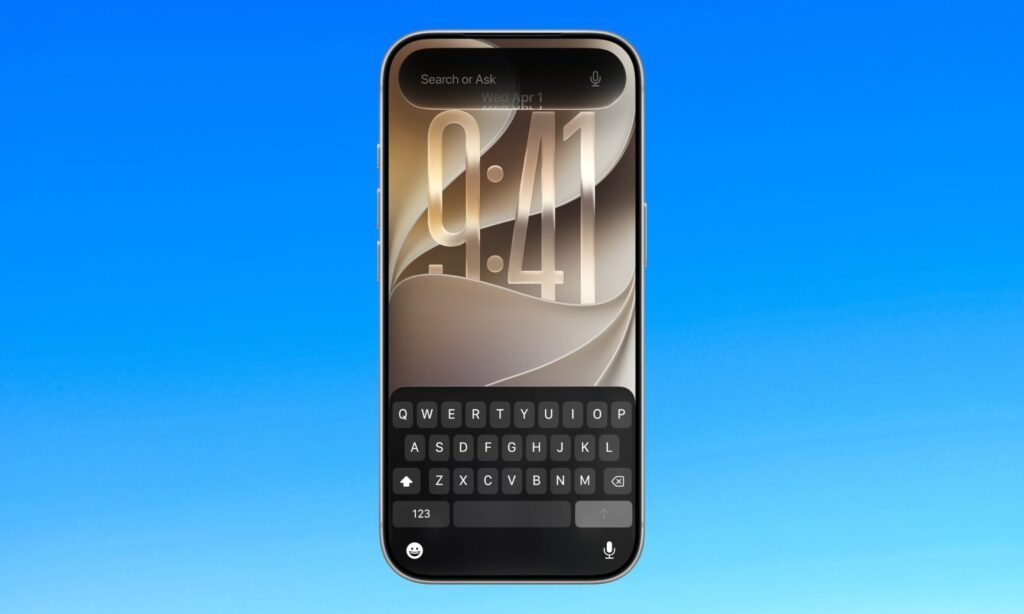
Apple’s next major software step is expected to leave several older iPhones behind, and the cutoff is centered on one familiar boundary: A13 Bionic. That means the iPhone 11 series and the second-generation iPhone SE are reportedly set to stop at iOS 26 instead of moving on to iOS 27.
The change matters because those models are still widely used. For many owners, this is the point where a still-functional phone begins to lose access to the company’s newest features, even if basic use and limited security updates continue for a while.
Who is expected to miss out
The devices said to be excluded from iOS 27 are the iPhone 11, iPhone 11 Pro, iPhone 11 Pro Max, and iPhone SE second generation. All four are built around the A13 Bionic chip, which appears to mark the end of the road for compatibility.
| iPhone model | iOS 27 status |
|---|---|
| iPhone 11 | Not supported |
| iPhone 11 Pro | Not supported |
| iPhone 11 Pro Max | Not supported |
| iPhone SE (2nd generation) | Not supported |
These phones are still expected to run iOS 26 and receive limited security patches. What they will not get are the new features, system improvements, and broader optimizations tied to the next release.
Where the supported lineup begins
The reported compatibility list starts with the iPhone 12 family, along with the third-generation iPhone SE. From there, support continues through the iPhone 13, iPhone 14, iPhone 15, iPhone 16, and iPhone 17 series.
That boundary suggests Apple is now drawing the line at A14 Bionic or newer. In practical terms, anyone holding an iPhone 12 or later remains inside the main update track, while owners of the iPhone 11 generation are being left one step behind.
| Supported iPhone series | Status |
|---|---|
| iPhone 12, 12 mini, 12 Pro, 12 Pro Max | Supported |
| iPhone SE (3rd generation) | Supported |
| iPhone 13 series | Supported |
| iPhone 14 series | Supported |
| iPhone 15 series | Supported |
| iPhone 16 series | Supported |
| iPhone 17 series | Supported |
Why Apple is narrowing support
The reported shift fits Apple’s ongoing focus on performance and newer hardware. By concentrating on devices with stronger processors, the company can push system speed, efficiency, and feature support further than older chips allow.
More recent hardware also gives Apple room to tune iOS for more demanding software. That includes smoother operation, better responsiveness, and a foundation that can handle the company’s newer ambitions without being constrained by older devices.
What iOS 27 is expected to emphasize
iOS 27 is described as a release aimed at faster processing and a cleaner user experience. It is also expected to expand AI-related features and augmented reality capabilities while keeping the software leaner for modern hardware.
Some of the most advanced functions may be reserved for the newest devices, including the iPhone 17 lineup. The details have not been disclosed, but the direction points to a tighter link between software features and hardware capability.
Beta timing and what users should prepare
The first iOS 27 beta is scheduled to arrive on 8 June 2026. That early release will give developers and testers access before the final version is pushed more widely.
Anyone planning to try the beta will need a compatible iPhone and should back up data first. Early beta builds usually carry bugs and stability issues, which makes a secondary device the safer place to test them.
For owners of the iPhone 11 series and iPhone SE second generation, the message is clear: the hardware still works, but the next wave of iPhone software is moving on. For users on iPhone 12 and newer, iOS 27 keeps the main update path open and points toward a faster, more capable system.