


Water heater buyers are changing how they choose home appliances. Comfort still matters, but safety and energy efficiency are now shaping the decision much more strongly.
That shift reflects a broader expectation from modern households: a water heater should provide warm water without creating unnecessary electrical risk or pushing up power consumption. In many homes, the appliance is no longer seen as a simple convenience item, but as equipment that must be dependable in daily use.
Electric models remain the most practical choice
Among the available options, electric water heaters continue to draw the strongest interest. According to Wasser Product Manager of Water Solution Darian Tjiandra, consumers have increasingly favored electric models because installation and maintenance are relatively easy and efficient.
Wasser’s internal data shows electric water heaters account for 65 percent of the company’s total water heater sales. Gas, solar, and heat pump products make up the remainder.
This trend fits the needs of households that want a straightforward system for everyday use. It also matches demand from housing projects, apartments, hotels, and other commercial properties that continue to expand the market.
Safety features are no longer optional
Alongside convenience, safety has become one of the most closely watched factors in purchasing decisions. Electric water heaters can raise concerns about electrical leakage, especially in bathroom environments where users want added peace of mind.
To address that concern, Wasser introduced the Ardour+ electric water heater series with ShockProof technology, also described as anti-electric-shock protection. The system is designed to help reduce the risk of electric shock caused by leakage current in the device.
ShockProof works as an additional layer of protection beyond the ELCB, or Earth Leakage Circuit Breaker. The ELCB automatically cuts off electricity when leakage is detected, while ShockProof is intended to reduce electrical content in the water if a heater component leaks.
Darian said the feature is meant to provide stronger protection during bathing, allowing users to enjoy warm water with greater confidence and comfort.
Efficiency is shaping the next buying decision
Power consumption is another reason buyers are becoming more selective. Households are looking for appliances that deliver comfort without adding excessive strain to electricity usage.
The Ardour+ line is built with power consumption of around 200 watts to 350 watts, depending on the model. Wasser says the product is designed to produce optimal water temperature while keeping energy use efficient for daily routines.
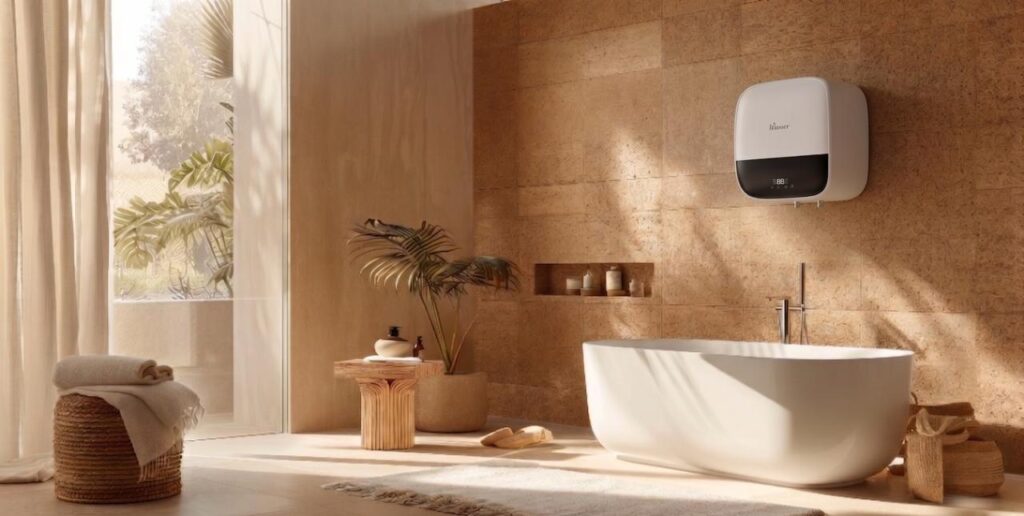
The series also comes with a minimalist design suited to modern bathrooms and includes anti-rust protection for longer-term durability. For families that need more flexibility, Wasser offers the Ardour+ Triheat model with 3 Heat technology.
Three heating modes for more flexible use
Ardour+ Triheat provides three heating modes: normal heating, medium heating, and fast heating. Each mode uses a different power level, allowing users to balance heating speed against energy efficiency according to their needs.
That flexibility is especially relevant for households trying to manage electricity consumption more carefully without giving up the convenience of warm water. It also reflects how product selection has become more detailed, with buyers weighing protection, power use, and everyday practicality at the same time.
As a result, water heaters are being judged by more than just their ability to heat water. For many consumers, the winning product is now the one that combines safe operation, efficient performance, and simple installation in one package.