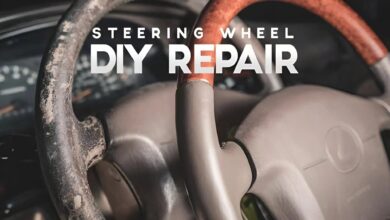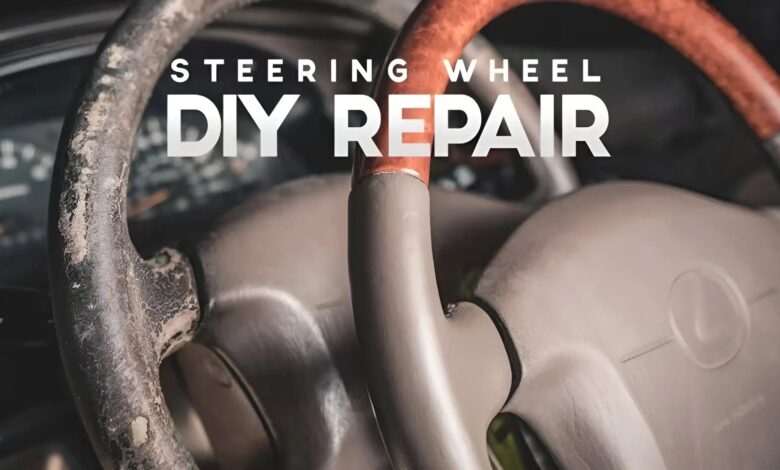
A steering wheel that suddenly feels heavy during a U-turn or slow maneuver is not always a tire problem. In many cases, the real source is a power steering system that has started to lose performance.
This symptom deserves attention because steering is directly tied to vehicle control. When the wheel becomes harder to turn than usual, the driver needs more effort for parking, tight corners, and low-speed navigation.
Heavy Steering Is Not Always About Tire Pressure
Tire pressure should still be checked when steering effort increases. Underinflated tires enlarge the contact patch with the road, which can make the steering wheel feel heavier.
But if tire pressure already matches the manufacturer’s recommendation and the problem remains, the inspection should not stop there. Attention needs to shift to the steering system and the power steering unit, where the issue often begins.
Modern vehicles use power steering to reduce the effort required to turn the wheels. The system may be hydraulic or Electric Power Steering (EPS), but both serve the same purpose: reducing steering load.
When one power steering component is disturbed, the most common early sign is heavy steering at low speed. The effect is most noticeable during U-turns, parking, or turning within tight spaces.
Problems That Often Go Unnoticed
In hydraulic systems, one of the most common causes is low power steering fluid. The fluid acts as the medium that carries hydraulic pressure to help ease steering input.
If the fluid level drops or the quality deteriorates, pressure output becomes less effective. As a result, steering assistance weakens and the wheel feels heavier.
According to various technical guides from the Society of Automotive Engineers, reduced steering performance often starts with power steering fluid that is no longer in ideal condition. That is why checking fluid level and condition is an important part of routine maintenance.
Leaks in the power steering system can also trigger the same symptom. Common leak points include high-pressure hoses, pump seals, or connections in the hydraulic circuit.
The difficulty is that small leaks are not always visible right away. Fluid may seep only slightly, so many vehicle owners notice the issue only after the wheel already feels heavier.
Another component that deserves suspicion is the power steering pump. In hydraulic systems, the pump generates the pressure needed to support steering movement.
If the pump becomes worn or suffers internal damage, the pressure it produces is no longer optimal. The result is reduced steering assistance and heavier steering, especially when the vehicle is moving slowly.
Signs of a failing pump often include a soft humming sound when the steering wheel is turned all the way. The sound appears because the pump is working harder as its internal performance declines.
For Vehicles with EPS
In vehicles that use EPS, the source of the problem is different from hydraulic systems. The disturbance may come from the electric motor, torque sensor, or control module.
When one of those components does not work properly, the steering assistance system cannot respond as expected. The result is still the same: the wheel feels heavier than normal.
Automakers also note that EPS systems usually include a warning indicator on the instrument panel. If the steering warning light comes on, inspection should be carried out quickly so the problem does not spread to other components.
Do Not Overlook the Rack Steering and Suspension Components
Heavy steering is not always limited to the power steering system. The condition of the rack steer can affect how light or heavy the wheel feels, especially if the part is worn, rusty, or lacking lubrication.
This issue is more common in vehicles with high mileage or vehicles that rarely receive steering system maintenance. Mechanical resistance in the rack steer will make the steering wheel feel heavier than usual.
Suspension and steering linkage parts can create a similar effect. Ball joints, tie rods, and wheel bearings that are worn out can prevent the front wheels from moving smoothly.
When wheel movement is restricted, the steering wheel also becomes harder to turn. The symptom may appear together with other faults, which is why a full inspection matters.
Early Signs That Should Not Be Ignored
A sudden change in steering feel should not be dismissed. The Ministry of Transportation of the Republic of Indonesia recommends that any such disturbance be checked immediately because it can affect vehicle stability and increase the risk of accidents, especially when quick maneuvers are needed.
Early signs to watch for include heavy steering during parking, a humming sound when turning, a steering wheel that does not return to center quickly after a turn, and vibration in the wheel at low speed. These symptoms indicate that one or more components may be losing performance.
Prevention is relatively straightforward. Regular fluid checks, scheduled fluid replacement, leak inspection, and steering component checks can help prevent more expensive damage.
For vehicles with EPS, periodic electronic system checks are also important. This helps ensure that sensors and electric motors continue to work properly in daily use.
For that reason, when the steering wheel suddenly becomes heavy during a U-turn, the inspection should not focus only on the tires. The power steering system, hydraulic pump, rack steer, and suspension components are often the real sources of trouble, and they are frequently overlooked.