Watching the World Cup 2026 through an app is becoming the preferred option for many fans, especially those who move constantly and cannot always sit in front of a television. That shift has made platform choice more important than ever, because the wrong service can mean unstable playback, weaker protection, and a frustrating match-day experience.
For many viewers in large cities such as Jakarta, football now follows them on the commute, during work breaks, and while they are away from home. The screen has moved from the living room to the phone, and that change is reshaping how major tournaments are consumed.
Official platforms remain the safer choice
Amid the growing number of unofficial sites and apps, official platforms are still the most reliable way to follow the World Cup 2026. They generally offer better picture quality, steadier access, and stronger safeguards for user data.
Official services also provide clearer access because they work with the national rights holder. That reduces the risk of sudden blocking or technical disruptions that often affect unauthorized streams.
For viewers, the issue is no longer just whether a match can be watched. It is also about staying comfortable during the biggest games, when audience traffic can rise sharply at the same time.
Why mobile viewing keeps growing
Lifestyle changes are driving the rise of sports viewing through apps. In areas where people spend much of the day outside the home, waiting until evening to watch on television is no longer the most practical option.
Modern smartphones have also helped accelerate the trend. High-resolution displays now make mobile viewing feel like a primary experience rather than a backup choice.
Broader access to internet service has widened that habit further. Fans now have more legal ways to watch sports in a format that fits their schedules.
Platforms drawing the most searches
During the World Cup 2026, two names that often appear in viewer searches are Folaplay and MAXStream TV. Both provide live streaming services that can be accessed on mobile devices.
They do not stop at live broadcasts alone. Users can also find replays and supporting content that make the viewing experience more complete.
Their appearance in search trends reflects a wider shift in Indonesia’s sports media habits. Digital services are becoming more relevant because they can follow the pace of the audience’s daily routine.
Internet quality still decides the experience
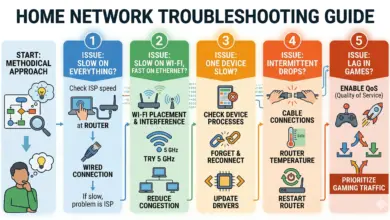
Even when the app itself is official, internet stability remains the most important factor. Stuttering video is not always caused by the platform, because the real issue often comes from an unreliable connection.
That is why viewers are advised to use a connection with enough speed during a match. Home WiFi or a mobile network with strong signal quality can help reduce buffering.
The need becomes even greater when a major match attracts more users at once. In those moments, even a good app still depends on strong network support to deliver smooth playback.
FIFA+ adds live match context
Beyond streaming apps, many fans also use FIFA+ as a formal source of tournament information. The app offers live scores, match statistics, schedules, results, and other official updates from FIFA.
FIFA+ works well as a companion app while viewers watch matches on another platform. Even when they cannot watch live, users can still track developments in real time through its information features.
That role shows how following the World Cup is no longer limited to video alone. Supporting information has become part of the modern football viewing routine.
A lasting change in sports viewing habits
The pattern seen around the World Cup 2026 suggests that streaming is no longer just an alternative for Indonesian viewers. For many people with busy schedules, especially in Jakarta, apps have become the main way to stay connected to global football.
This digital shift in sports broadcasting is likely to keep growing after the tournament ends. As more fans want flexible access without being tied to one location, streaming apps are set to remain central to the future of sports consumption in Indonesia.