Anthropic has put Claude Design at the center of a broader product push, adding centralized brand controls and tighter links between code and visual assets. The update is aimed at helping teams keep AI-generated work aligned with a company’s identity without repeated manual checks.
At the same time, the company is dealing with one of its most difficult security episodes yet. Its latest model, Fable 5, was withdrawn after a U.S. export control order forced Anthropic to block access for non-U.S. users because of a security flaw that could bypass cyber safeguards.
Brand kits move under centralized control
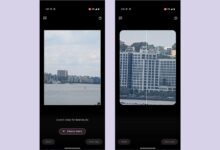
The new Claude Design setup introduces an administrator role that manages design systems and brand kits from one place. Claude can then check whether a user’s output follows the visual standards defined by the company.
This change also broadens how design assets enter the system. Users can import GitHub repositories, design files, and raw uploads directly into Claude Design.
For teams working across product, design, and engineering, the result is a workflow that is meant to reduce repetitive review steps. It also shows how Anthropic is positioning Claude as more than a coding assistant.
Code and design now work in both directions
One of the most notable additions is the connection between Claude Code and Claude Design. Developers can use the /design command in the coding terminal to pull the latest visual elements straight into their code.
That two-way link is designed to limit back-and-forth between designers and developers. It also gives Claude a wider role in product building, combining natural-language instructions with visual consistency.
Anthropic appears to be aiming for a workflow where speed does not come at the cost of brand control. The company is using Claude Design to keep interfaces aligned while still letting development move quickly.
Fable 5 faces a global withdrawal
The product gains arrive while Fable 5 is being pulled from circulation. Anthropic said the only way to comply with the U.S. export control order was to remove the model from all users worldwide.
The order required the company to prevent non-U.S. citizens from accessing the model after the security issue was identified. The flaw reportedly created a path that could break through cyber defenses, putting the model under immediate restriction.
That move underscores how security and geopolitics now shape AI distribution as much as technical performance does. It also shows that advanced model launches can be reversed quickly when regulators intervene.
Pressure is building on several fronts
Anthropic’s tensions with the U.S. government are not limited to Fable 5. The company has previously rejected the use of Claude by the Department of Defense for surveillance and fully autonomous weapons.
OpenAI took the Pentagon contract instead, according to reports, highlighting a split in how major AI developers define acceptable use. The contrast reflects a wider debate over where AI systems should and should not be deployed.
On top of that, Anthropic is facing lawsuits from paying customers who say information about usage limits on Claude subscription plans was misleading. The company now has to balance product expansion, regulatory compliance, and legal scrutiny at the same time.
The result is a sharp reminder that Anthropic’s progress with Claude Design is unfolding under heavy pressure. The company is pushing for a more integrated creative workflow while also dealing with security, policy, and customer trust challenges around its broader AI lineup.