More than half of digital harassment victims in Asia Pacific do not seek help, even as the impact spreads far beyond the screen. New findings from Kaspersky show that the damage often reaches mental health, personal relationships, and school or work life.
The scale of the problem is striking. In a study of 7,600 respondents across 19 countries, 79% said they experienced psychological effects such as depression, trauma, and long-term stress, while the figure in Asia Pacific reached 80%.
Fear, isolation, and daily caution
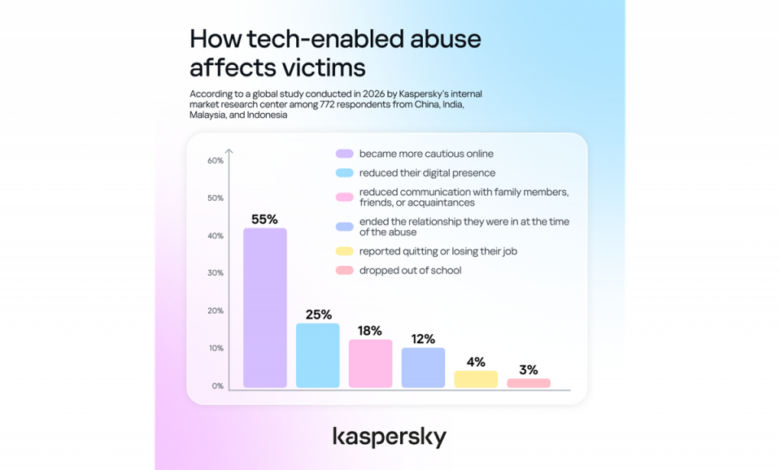
The consequences are not limited to emotional strain. In Asia Pacific, 55% of victims became more cautious online, 18% limited communication with people close to them, and 12% ended personal relationships.
For a smaller but serious share of victims, the harm also affected education and employment. The report said 4% lost their jobs and 3% dropped out of school because of digital harassment.
Why many people still do nothing
Despite the severity of these outcomes, public understanding of the risks remains uneven. In Asia Pacific, only 59% of respondents recognized the potential for economic loss, and just 53% understood that digital harassment can escalate into physical violence in the real world.
This gap helps explain why many victims hesitate to respond quickly or seek support. The report found that around 13% of victims in Asia Pacific took no action at all, while 9% of witnesses who knew a victim also stayed silent.
Reluctance is not always the result of indifference. According to the findings, 32% of respondents said they did not know how to help, and 23% were unsure whether stepping in would be socially appropriate.
Tatyana Shishkova, Principal Security Researcher at Kaspersky, said the situation remains serious because victims often do not know where to turn for help.
Steps that can reduce the risk
Kaspersky advises people to trust their instincts when they notice suspicious behavior, document every incident, and strengthen account security with two-factor authentication. The company says these steps can reduce exposure and create evidence if follow-up action becomes necessary.
Adrian Hia, Managing Director for Asia Pacific at Kaspersky, said digital abuse should not be treated as normal and called for shared responsibility in creating a safer online environment. He also encouraged people to support victims directly or guide them toward the right resources so abusive behavior is not left unchecked.