


Linux 7.1 has arrived with changes that matter less for headlines and more for the long-term shape of the kernel. The release ends support for i486 processors, addresses audio problems on the Steam Deck, and brings a significant overhaul to NTFS support.
For most users, the practical advice remains the same: wait for the kernel to reach your distribution’s normal update channel. Even so, this release signals where Linux development is heading, with a stronger focus on cleanup, compatibility, and maintaining devices that people actually use.
Why the i486 cutoff matters
The most notable technical decision in Linux 7.1 is the removal of i486 support. That closes the door on one of the oldest processor families still recognized by the kernel and makes modern maintenance a little simpler.
The real-world impact is limited because very few active systems still depend on i486 hardware. Still, the move is meaningful because it reduces legacy code and helps the kernel move further away from aging architecture support.
Steam Deck users get a meaningful fix
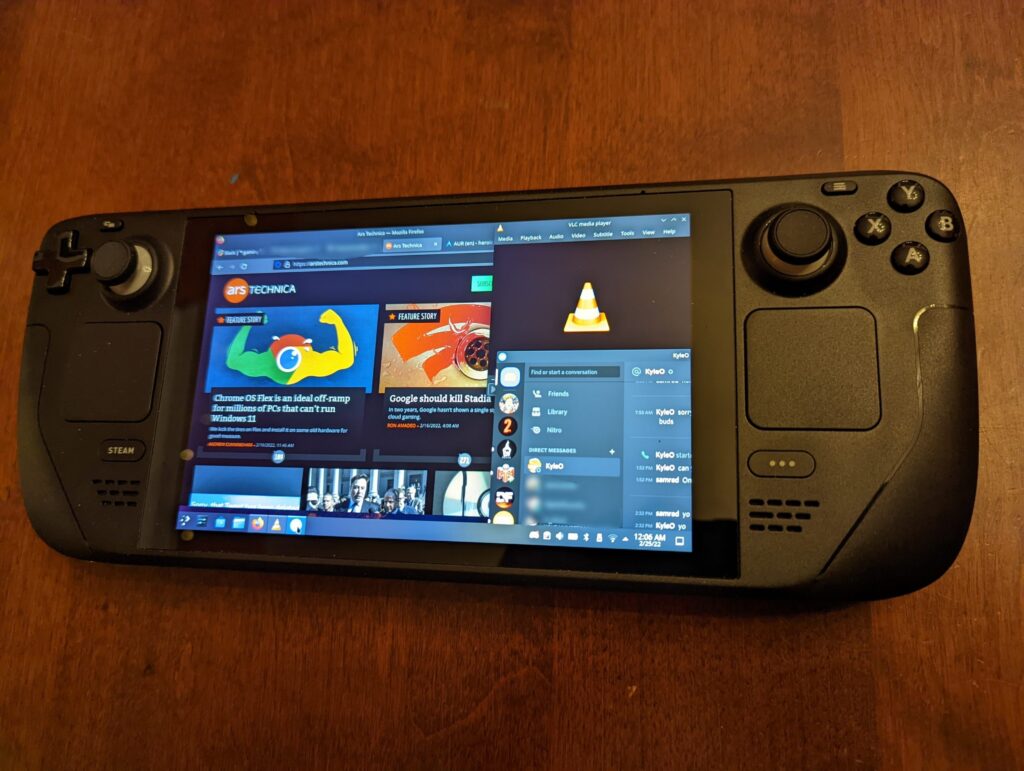
Another high-profile change targets the Steam Deck, where Linux 7.1 includes a fix for audio issues. For owners of Valve’s handheld gaming device, that makes the release more relevant than a typical maintenance update.
The improvement also reflects how closely Linux continues to track hardware that matters in gaming and portable use. As more distributions pick up the new kernel, the fix should become available through regular system updates rather than manual installation.
NTFS support gets a major redesign
Linux 7.1 also brings an important NTFS overhaul, which should matter to people who move files between Linux and systems that rely on Microsoft’s file format. External drives and dual-boot setups remain common use cases for NTFS.
That update is especially important because NTFS still sits at the center of many cross-platform storage workflows. While the release notes do not dwell on the technical details, the change is clearly one of the larger items in this kernel cycle.
A release built around refinement
Linus Torvalds said the final week before release did not bring anything especially “exciting or scary.” Instead, the kernel picked up a broad set of smaller updates across GPUs, networking, audio, and other components.
There were also fixes in networking and trace tooling, reinforcing the idea that this is a release focused on stability rather than major new features. Torvalds also asked testers to keep checking the kernel even after the final version became available.
Testing pressure and the road to Linux 7.2
Before the final release, Torvalds noted that the Linux 7.1 release candidate branch saw more bug fixes than usual. He linked that increase to AI agents that were finding a large number of issues.
He said the volume of reports had become disruptive because it crowded the secure channels used for bug reporting. Even so, the development process still reached the final release without major disruption.
Torvalds announced Linux 7.1 on a Sunday morning while traveling and working in a different time zone than usual. That timing could slightly shift when the merge window for Linux 7.2 opens, although the next cycle is still expected to move ahead.
Advanced users can already pull Linux 7.1 from Git, but most people will be better served by waiting until their distribution packages it with the usual testing and compatibility checks. That remains the safest way to get the i486 removal, Steam Deck audio fixes, and NTFS changes in a form ready for daily use.