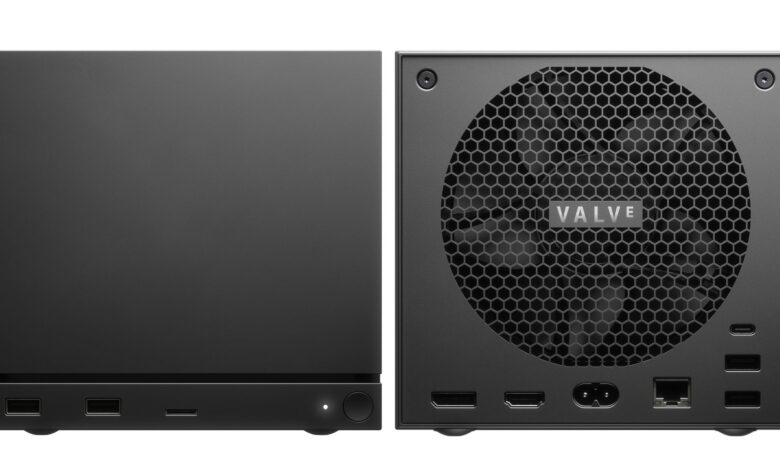
Valve’s Steam Machine has drawn an unusual reaction from gamers: strong interest in the idea, but weak enthusiasm for actually buying one. The concept of a living-room PC clearly resonates, yet many players still see it as something worth admiring from a distance rather than adding to their setup.
The divide reflects a broader tension in PC gaming at the TV. For some users, the appeal is not just about game compatibility, but about whether the machine can behave as smoothly as a console in daily use.
What makes the concept appealing
On Reddit, one user argued that the biggest issue with a PC connected to a television is not raw gaming support, but convenience. A gaming PC hooked up to a TV still lacks a few everyday features that console players tend to take for granted.
That includes HDMI-CEC support for turning the TV on or off through the device, along with reliable wake-from-standby behavior using a controller. Small details like these can decide whether a player starts a session immediately or ends up staying on YouTube instead.
HDR issues were also raised as part of the same frustration. For gamers who play from the couch, that kind of friction can feel more noticeable than technical shortcomings that only show up on paper.
A living-room PC with a clear purpose
This is where Steam Machine appears to have a real opening. As a dedicated living-room PC, it could remove much of the awkwardness that often comes with turning a regular gaming system into a TV-based setup.
SteamOS, controller-first design, and a console-like approach make the product look more practical than a traditional desktop in the lounge. For players who want PC gaming without the usual living-room hassle, that positioning is its strongest selling point.
At the same time, the early benchmark chatter suggests that Steam Machine will not be a high-end performance monster. That makes its value depend even more on how well it solves everyday usability problems.
Price is the part many buyers cannot ignore
That is also why the buying decision remains difficult. Many gamers can appreciate the idea of a living-room PC, but still fail to see a compelling enough reason to purchase this one for themselves.
Price is the biggest obstacle mentioned most often. Current speculation suggests Steam Machine could cost more than $1,000, which immediately cools enthusiasm for a large part of the audience.
The Reddit reaction follows the same pattern: users understand the usefulness of the concept, but do not yet view the device as an easy personal buy.
More clarity may arrive soon
There is still room for the story to change once Valve gives more concrete details. Rumors indicate that Steam Machine could be introduced on June 23, which would quickly bring the pricing question into focus.
Until then, the device remains in an unusual position. It is being praised as a smart idea for the living room, even as many gamers openly admit they may never buy it themselves.