


Xiaomi has stepped away from a smartphone project built around an ultra-thin design, choosing not to push ahead with a device that would have chased slimness at the cost of core usability. The decision reflects a clear shift in priorities, with battery life and stable performance now placed above extreme thinness.
The move also highlights a familiar trade-off in the smartphone market. A thinner body can look more premium, but it often leaves less room for cooling, battery capacity, and high-performance components that matter in daily use.
Why Xiaomi stopped the project
According to Xiaomi President Lu Weibing, the company had already advanced far into the plan for the device. Product planning, early research, and the path toward mass production had all been completed before the project was ultimately halted.
That means the phone was not abandoned at an early concept stage. Xiaomi had moved close enough to production to understand the technical limits more clearly, and those limits proved difficult to ignore.
Battery life and performance became the main concern
As a smartphone gets thinner, the internal space for essential parts becomes increasingly constrained. Xiaomi found that this made it harder to fit a larger battery, an effective cooling system, and other components needed for strong performance.
Lu said the two biggest concerns were battery endurance and performance stability. Once the body is reduced too aggressively, battery capacity drops as the available internal space shrinks.
Cooling is affected as well, since there is less room to manage heat properly. That can make the device less stable during demanding tasks, including heavy app use and long gaming sessions.
Xiaomi appears unwilling to release a flagship that looks impressive but compromises the experience users expect. For the company, a polished design is not enough if the device cannot remain dependable during everyday use.
The new focus is the Max line
Instead of continuing with the ultra-thin project, Xiaomi is now turning its attention to the “Max” series. Lu explained that this line is different from the “Plus” series, which usually only offers a larger screen than the standard model.
The Max series is meant to deliver broader upgrades across the device. Xiaomi is focusing on camera quality, performance, battery capacity, and the overall flagship experience at once.
This strategy suggests a more practical direction for the brand. Rather than pursuing the thinnest possible body, Xiaomi is prioritizing a device that feels complete in daily use.
Xiaomi 17 Max shows the new direction
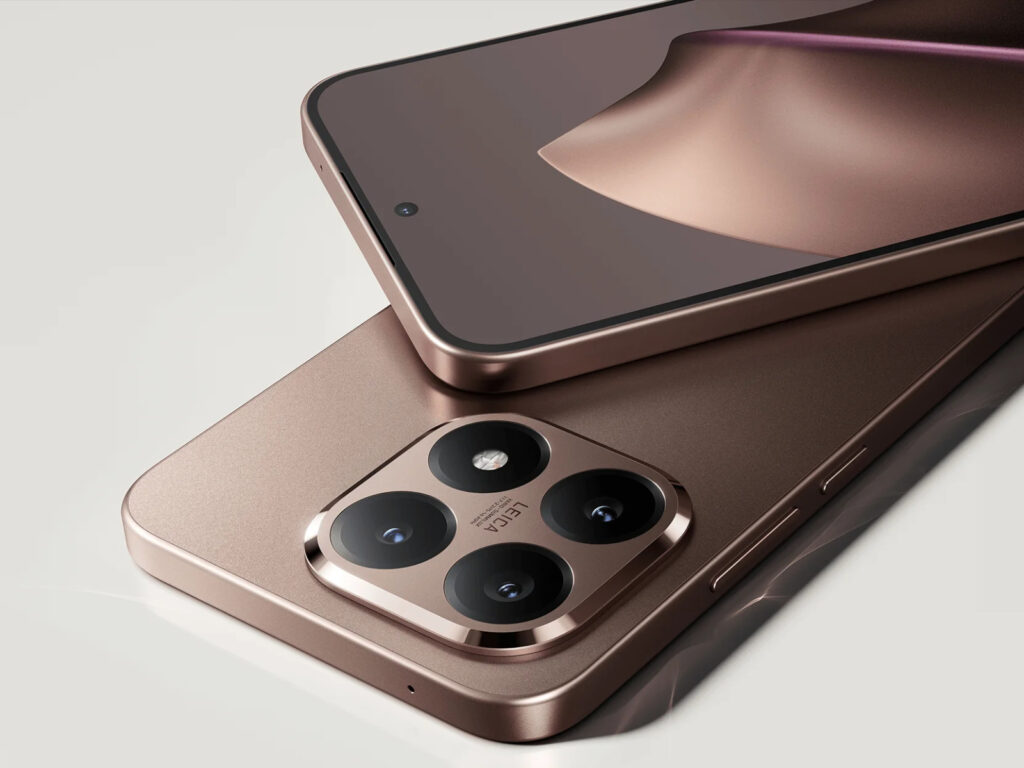
That shift is also visible in the upcoming Xiaomi 17 Max, which is expected to arrive in May 2026. The phone is said to include Xiaomi’s first 200 MP Leica camera with a 3x periscope telephoto lens.
Power is another headline feature of the device. Xiaomi 17 Max is equipped with a 8000mAh Jinshajiang battery, which the company describes as the strongest capacity in its smartphone lineup so far.
A different answer to the thin-phone trend
Many brands are once again competing to launch phones that are slimmer and lighter. Those designs can feel futuristic and premium, but not every user values appearance over function.
Xiaomi seems to believe flagship buyers still care more about reliable performance, strong cameras, and long-lasting hardware than a body that is as thin as possible. That is why the company is leaning into fuller specifications instead of chasing a purely minimalist design.
The decision places Xiaomi on a different path from the current thin-phone trend. It also reinforces a message the company appears eager to send: battery life and performance still matter more than extreme slimness.