


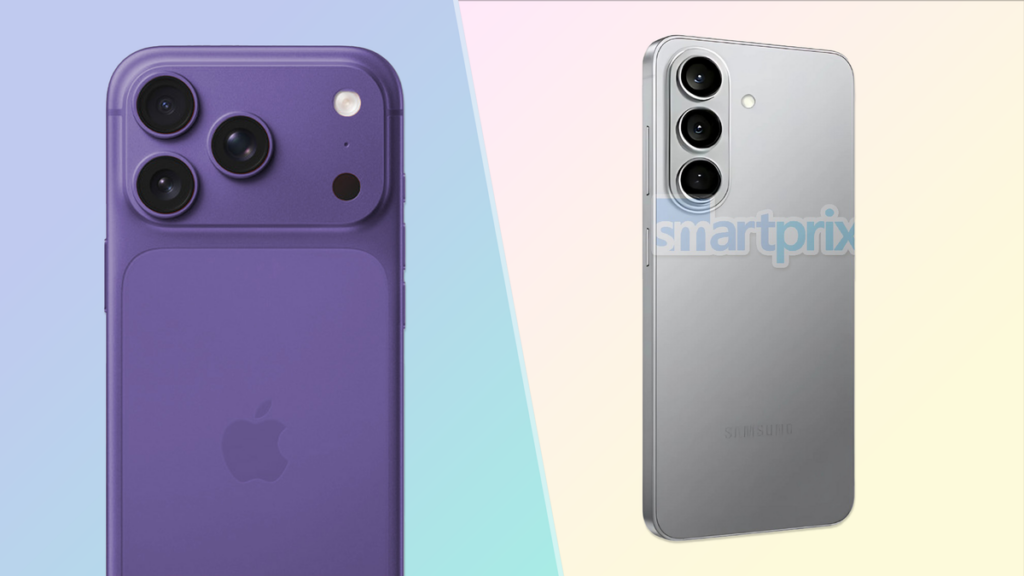
Apple’s iPhone 18 Pro is shaping up to be one of the most debated premium phones in the next upgrade cycle. The biggest talking point is a variable aperture camera system that Samsung had already brought to the Galaxy S9 in 2018.
That detail alone gives the device a familiar feel, but the pricing outlook makes the story even sharper. Reports point to a meaningful cost increase for the hardware, which could push the iPhone 18 Pro further into expensive flagship territory.
Camera Upgrade With A Familiar History
Variable aperture allows a camera lens to adjust its opening based on lighting conditions. In practical terms, that can help produce sharper images and stronger low-light performance, especially in situations where fixed aperture systems are less flexible.
For mobile photography fans, this would be a major change for the iPhone Pro line. Still, it is not an entirely new idea in the smartphone market because Samsung introduced the feature years ago on the Galaxy S9.
The move suggests Apple may be looking to close gaps in its camera hardware without taking a completely original route. That can still matter to buyers if the final photo quality improves, but it also invites comparisons with a rival that was first to market with the same approach.
Rising Costs Put Pressure On Pricing
The camera system itself is said to be 50% more expensive to manufacture than the previous generation. Memory technology is also reportedly seeing a sharp 300% price jump, adding more strain to the total build cost.
Altogether, those increases are expected to push overall production costs up by around 25%. Analysts now believe Apple may need to raise the iPhone 18 Pro price by at least $100, even though the company could still absorb part of the impact.
That would matter in the premium phone segment, where pricing differences can shape buying decisions as much as specs. If the gap narrows, Apple loses one of the small advantages it has often enjoyed against Samsung’s flagship pricing.
Competition With Samsung Could Tighten
The price shift could alter the familiar contest between the two brands at the high end. Apple’s Pro Max models are said to have held about a $100 pricing edge over Samsung’s Galaxy Ultra series, but that difference could disappear if Apple raises prices.
If that happens, the iPhone 18 Pro may no longer stand out as the relatively more affordable premium option. Buyers would then judge it more strictly on whether the new camera features justify the higher bill.
Samsung could also respond by adjusting the pricing strategy for the Galaxy S27 Ultra. That would make the next flagship round less about who launches first and more about which company offers the stronger value for each dollar spent.
Design Choices Are Drawing Attention Too
The camera is not the only area attracting scrutiny. Apple is said to be sticking with an anodized aluminum chassis, despite complaints from some iPhone 17 Pro users that the material can chip and wear over time.
For a phone expected to cost more, that decision may look conservative. Consumers usually expect durability improvements to move in step with price increases, especially in a product tier that markets itself as premium.
Apple is reportedly planning a new hero color called dark cherry to replace last year’s orange finish. That may help the phone feel fresh on store shelves, but it does little to answer concerns about the body material.
In the end, the iPhone 18 Pro appears to be headed toward a familiar Apple tension. It offers a serious camera upgrade through variable aperture, yet that upgrade comes alongside rising production costs, a likely price increase, and design choices that may frustrate buyers looking for more than cosmetic change.