


USB-C has become a standard across modern devices, but its durability is not unlimited. Many users report that a cable can begin to feel unreliable after roughly a year of use, even though some last much longer.
That timeline matters because USB-C cables now handle more than charging alone. They are used for phone charging, data transfer, and accessory connections, so a failing cable can quickly affect daily device use.
Warning signs often show up before the cable stops working
The most common complaints are unstable connections, slower charging, and visible wear on the outer layer. In some cases, users also notice fraying or tearing, which usually points to mechanical stress from repeated use.
While a few cables fail within weeks, that is considered unusual. For many users, a cable that is about a year old and starts behaving strangely is already a strong sign that replacement may be wise.
Build quality makes a major difference
Thicker cables and braided designs are generally viewed as more durable. They are better able to withstand bending and the daily friction that comes with frequent plugging, unplugging, and movement.
Anker, for example, says its two-sided braided USB-C cable has been tested internally for more than 30,000 bends. That figure suggests strong mechanical resilience, although it does not guarantee the same lifespan under every real-world condition.
How users handle the cable matters too
USB-C cables take a lot of stress every day because they are bent, twisted, and pulled repeatedly. The way they are stored and removed can therefore have a direct effect on how long they last.
Pulling the connector instead of the cable body adds unnecessary strain to the connection point. Inserting the metal tip straight into the port also helps reduce stress on the connector.
Simple habits can extend cable life
When not in use, the cable should be coiled loosely in large loops rather than wrapped tightly. This helps prevent kinks and reduces pressure on the internal wiring.
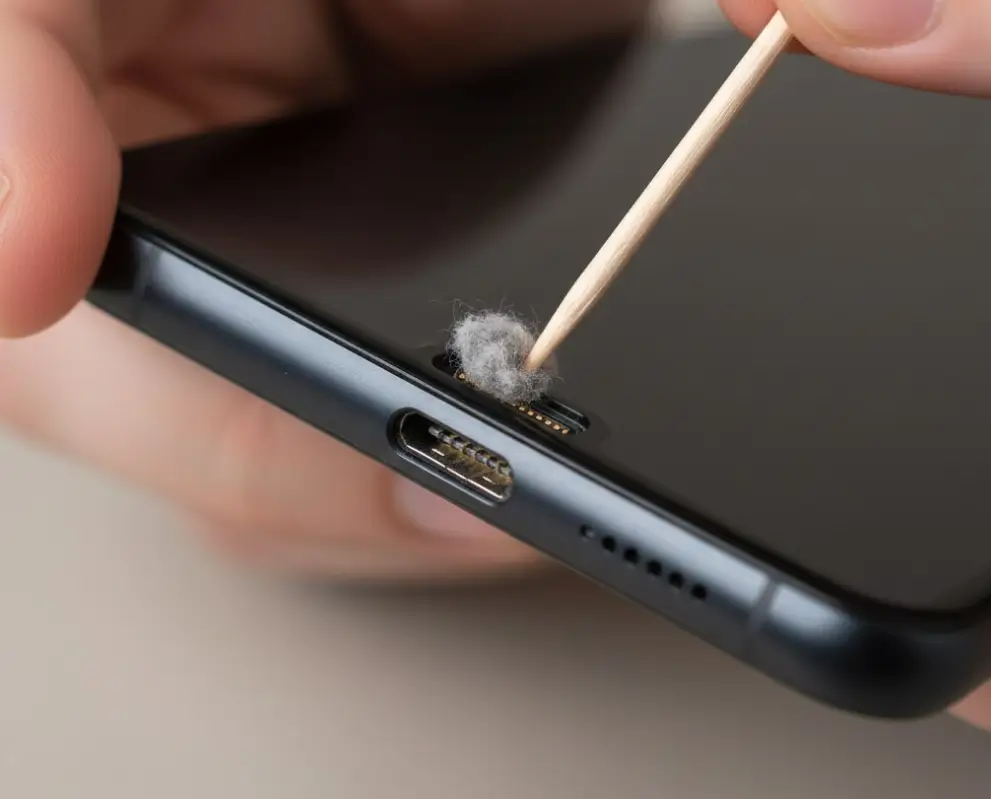
Flexible protectors can also help shield the cable from everyday damage. Regular cleaning of the connector is useful as well, especially when dust and dirt begin to build up.
Monthly cleaning with a cotton swab and alcohol is described as a practical way to keep the contact points clear. A clean connector can help maintain stable performance, especially for users who rely on a single cable across multiple devices.
Why some cables last years while others fail quickly
Cable lifespan depends on several factors at once, including material quality, storage habits, usage patterns, and whether the connector is cleaned regularly. As a result, two cables that look nearly identical can age very differently.
For heavy users, small daily habits can decide whether a USB-C cable lasts months or years. That is why many people choose not to wait once a cable begins showing signs of weakness after around a year of use.