


For many car buyers, the choice between a hybrid and a pure electric vehicle is no longer about technology alone. The real question is which one fits daily travel patterns, charging access, and long-term costs.
Both types promise better efficiency than conventional cars, but they serve different needs. A hybrid can feel like a smoother transition, while an electric car rewards drivers who are ready to depend fully on charging infrastructure.
Power source is the clearest dividing line
A hybrid uses two power sources: a gasoline engine and an electric motor. The two systems can work separately or together, depending on driving conditions and power demand.
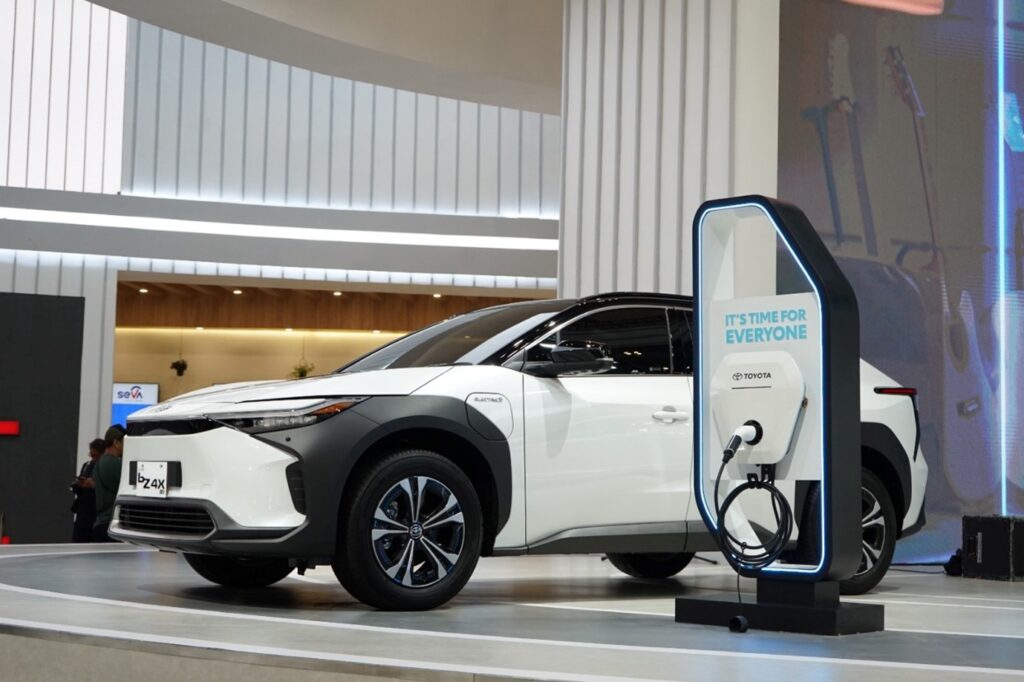
A pure electric car relies only on an electric motor. Its energy comes from a large battery, with no internal combustion engine and no fuel tank.
This basic difference shapes almost everything else, from refueling habits to running costs. A hybrid still uses fuel, while an electric car depends entirely on electricity.
Charging habits make the difference even wider
In a hybrid, the battery is charged automatically through regenerative braking and by the gasoline engine while it is running. Drivers do not need to plug the car in to replenish the battery.
A pure electric vehicle must be recharged from an external power source. Charging can be done at home with a wall charger or at a public charging station.
That makes infrastructure a major deciding factor. For buyers without easy charging access, a hybrid remains the more practical option because it does not require a major change in daily habits.
Daily operating costs are not the same
Hybrid cars still consume fuel, although their gasoline use is generally much lower than that of conventional vehicles. The electric system helps reduce the burden at the pump, especially in stop-and-go traffic.
Electric cars usually offer the lowest operating cost because they run only on electricity. They also tend to have lower maintenance expenses because they contain fewer mechanical components.
That cost advantage is most attractive for drivers with predictable routines and regular home charging. Without charging convenience, the savings may be harder to realize in practice.
Range flexibility still favors hybrids
One of the strongest advantages of a hybrid is that it can keep going when the battery runs low. Once the battery is depleted, the gasoline engine can continue to power the car.
Pure electric models depend on battery capacity for range, and several are capable of traveling 300 to more than 500 kilometers on a full charge. That is enough for many users, but long trips still require careful planning.
For intercity travel or routes with limited charging points, range confidence remains an important consideration. In that setting, the hybrid’s flexibility can be more reassuring than the electric car’s battery-only setup.
Purchase price still shapes the decision
In general, hybrid models are still more affordable than pure electric vehicles with similar specifications. That makes them appealing to buyers who want better efficiency without a large jump in upfront cost.
At the same time, competition and technology progress are narrowing the gap. For some consumers, the lower running cost of electric cars is beginning to outweigh the higher entry price.
Which driver fits which option
Hybrids are better suited to drivers who frequently cover long distances or travel across regions with limited charging infrastructure. They also suit buyers who want a fuel-efficient car without changing their refueling routine.
Pure electric cars are a stronger fit for city use, especially for owners who can install a private charger at home. Their quiet driving feel, lower operating cost, and zero-emission character are key advantages for this group.
For now, many buyers still see the hybrid as a practical bridge to cleaner mobility. The electric car is the more complete solution for those who are already prepared to live within a charging-based ecosystem.