


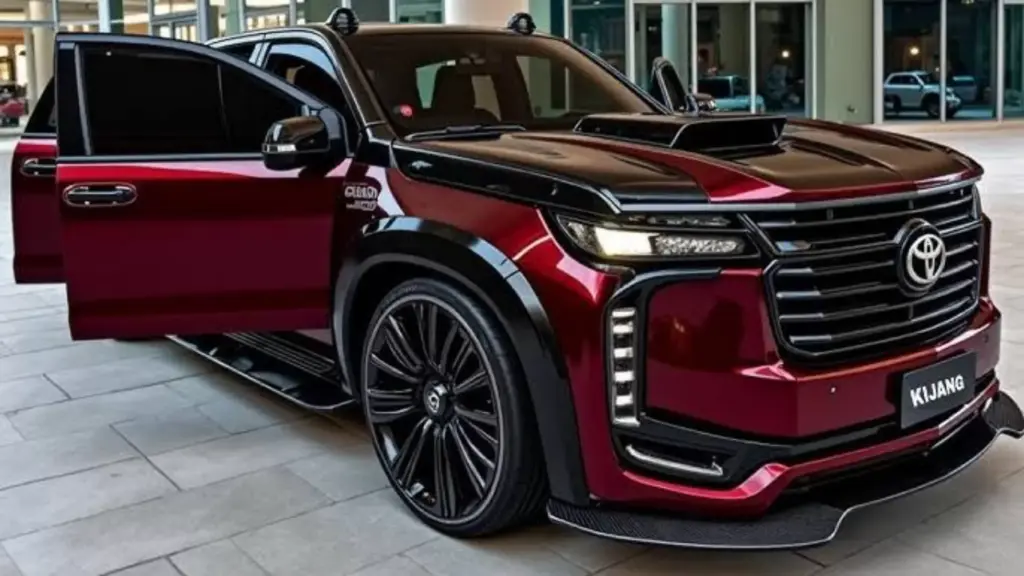
Toyota Kijang Super 2026 is drawing attention for a reason that goes beyond nostalgia. The MPV combines a familiar boxy silhouette with modern hybrid technology, creating a package that looks carefully aimed at family buyers who want practicality without giving up brand familiarity.
The strongest appeal comes from its promise of lower running costs. The hybrid variant is said to deliver fuel consumption of around 20+ km/l, depending on conditions, which puts efficiency at the center of its value story.
Hybrid power takes the lead
For many families, the main question is no longer only about cabin space, but also how much the car will cost to run over time. That is where the Kijang Super 2026 positions itself as a more forward-looking MPV.
The hybrid setup is the headline feature because it targets daily use as well as longer trips. Toyota appears to be betting that efficiency will matter as much as comfort for buyers in this segment.
A familiar shape with a fresher face
Visually, the model keeps the boxy character that has long defined the Kijang name. Toyota adds LED lights and chrome accents to make the design feel more current while keeping the overall identity recognizable.
That retro-modern approach gives the vehicle a clear market position. It is not trying to look like a radical redesign, but rather a modernized continuation of a well-known family name.
Cabin space remains a major selling point
Inside, the vehicle is built to carry seven passengers with a spacious layout. Flexible seating and digital air conditioning are part of the comfort package intended for family use.
The large cabin also supports its role as a versatile MPV. For long-distance travel, the extra room is one of the model’s most practical advantages.
More features, but not on every trim
Toyota also equips the Kijang Super 2026 with a touchscreen infotainment system and a 360-degree camera. Higher trims go further with Toyota Safety Sense, including Pre-Collision System, Lane Departure Alert, and Adaptive Cruise Control.
Those features push the model closer to the expectations of a modern family car. Still, the equipment gap between trims means buyers need to look closely at which version actually includes the features they want.
Price is where the hesitation begins
The most complete hybrid version is also the one most likely to make buyers think twice. It is positioned at a relatively high price compared with other MPVs in the segment, especially once the full feature list is added.
That gap matters because the appeal of the model is strongest when the hybrid system and advanced safety package are included. For shoppers focused on value, the higher trims may feel ambitious rather than easy to justify.
Bensin versions are less compelling on efficiency
For buyers considering the non-hybrid petrol version, fuel economy is less impressive. The engine is described as efficient, but it still falls short of the hybrid and of some other modern MPVs with newer efficiency technology.
That makes the engine choice one of the most important decisions in the lineup. Shoppers prioritizing long-term savings are likely to see the hybrid as the more convincing option.
Size brings comfort, but not urban agility
The larger dimensions help create the roomy cabin, yet they also affect maneuverability. In tight parking areas or crowded city streets, the car may feel less agile than smaller MPVs or compact crossovers.
Even so, that trade-off is consistent with its purpose. The Kijang Super 2026 is designed to emphasize passenger comfort and capacity rather than quick, compact-city movement.
Toyota’s reputation still adds weight
Beyond the drivetrain and equipment list, Toyota’s name remains an important advantage. The Kijang badge and the brand’s strong position in Indonesia generally support good resale value.
A wide service network and easy access to spare parts also make ownership more practical. For family buyers, that combination can be just as important as the headline fuel figures.