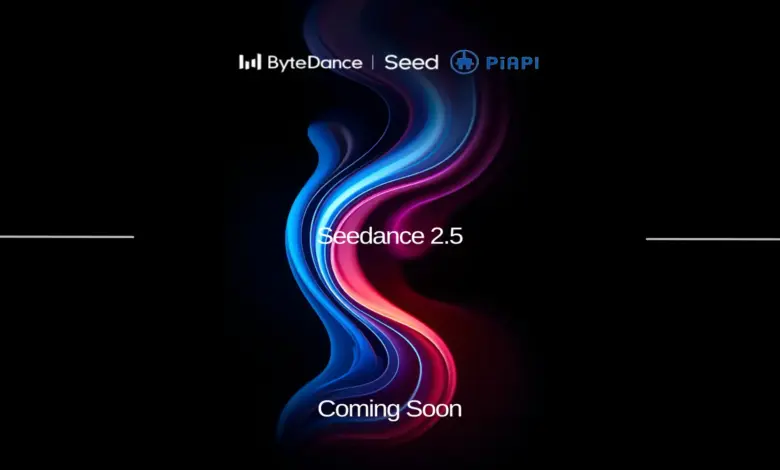
ByteDance has taken a bigger step in AI video generation with Seedance 2.5, a new model that can create videos of up to 30 seconds from a single prompt. That is twice the maximum length of Seedance 2.0, and it gives creators more room for scenes, transitions, and visual storytelling.
The model also raises the ceiling on creative control. Users can now supply as many as 50 reference materials in one prompt, including images, videos, and audio files, allowing the system to interpret a desired outcome with far more context than before.
More input, more control
The expanded reference limit is one of the clearest changes in Seedance 2.5. Seedance 2.0 accepted up to 12 references, so the new version substantially broadens the amount of guidance a creator can provide before generation begins.
That matters because AI video systems depend heavily on the quality and depth of the input they receive. With more references, the model has a better chance of matching the intended visual style, motion, and overall tone.
A launch that arrives with momentum and scrutiny
ByteDance announced Seedance 2.5 on Tuesday at a conference in Beijing, shortly after releasing Seedance 2.0. The company plans to roll out the new model in China next month, while its global launch schedule has not yet been announced.
The timing is notable because Seedance 2.0 already drew wide attention for its highly realistic clips, including a viral-looking fight video featuring Tom Cruise and Brad Pitt. The new model is entering the market with the same kind of excitement around its capabilities.
| Seedance Version | Key Limit |
|---|---|
| Seedance 2.0 | Up to 15 seconds, 12 references |
| Seedance 2.5 | Up to 30 seconds, 50 references |
Why the new version matters for creators
For creators, the extra 15 seconds is more than a small technical upgrade. It opens space for fuller narrative beats, smoother movement between scenes, and more complete visual concepts inside a single prompt.
The ability to combine text with image, video, and audio references also widens the way the model can be directed. Instead of relying only on a written description, users can guide output with concrete examples of what they want to see and hear.
Legal pressure remains part of the picture
Seedance 2.5 arrives while ByteDance is still dealing with the fallout from the earlier version. In February, the launch of Seedance 2.0 in China triggered controversy after users generated hyper-realistic videos featuring Hollywood celebrities and copyrighted characters from franchises such as Marvel and Star Wars.
Those clips spread quickly online and drew objections from major Hollywood studios. Disney accused ByteDance of using its characters to train the model and distributing copyrighted material as public-domain art.
Paramount Skydance described the conduct as a blatant violation of its intellectual property rights, and Warner Bros. Discovery and Netflix later joined the dispute. The controversy now sits in the background as ByteDance pushes Seedance 2.5 forward.
To limit legal risk, BytePlus has introduced restrictions that block the use of realistic human faces in video prompts. That shows how the rapid growth of AI video is now moving alongside increasingly strict controls on how the technology can be used.
ByteDance has already expanded Seedance 2.0 to more than 100 countries, though not to the United States. The company has not yet said whether Seedance 2.5 will follow the same path, leaving its global availability unresolved for now.