


Starting a new household often means every purchase has to be weighed carefully, not only by price but also by how much electricity it will use each month. For young couples, that balance can make a meaningful difference in keeping routine expenses under control.
That is why low-power home appliances are often seen as a practical early investment. They are designed to support daily needs without placing unnecessary strain on a small home’s electricity capacity.
Mini rice cooker for compact daily cooking
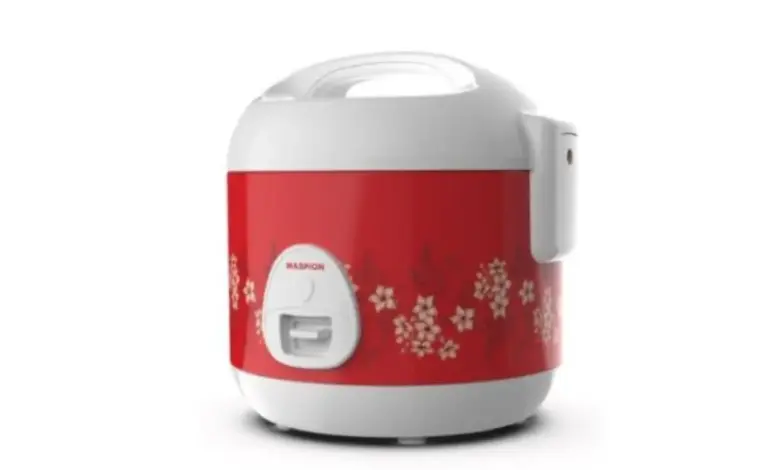
One of the most useful choices for newly married couples is a mini rice cooker. With a capacity of 0.8 to 1 liter, it is considered suitable for two to three people and can also keep food warm after cooking.
The appliance generally uses around 200–350 watts, making it a compact option for small homes and apartments. Its dual function adds convenience for everyday meals without requiring a larger, higher-consumption unit.
Fan for cooler rooms with lower energy use
For room comfort, a table fan or standing fan remains a more energy-efficient alternative to air conditioning. Its electricity use typically ranges from 30–60 watts, yet it can still provide enough airflow for smaller rooms.
Fans are also affordable and easy to move from one area to another. That flexibility makes them suitable for bedrooms, living rooms, or even a small work corner at home.
Electric kettle for quick hot water
An automatic electric kettle can speed up daily kitchen tasks by preparing hot water in a short time. It is useful for coffee, tea, or instant noodles without having to turn on the stove.
For young households, a 1 to 1.5 liter capacity is generally enough. A built-in auto shut-off feature is also worth considering because it supports safety while helping reduce wasted electricity.
Multi-purpose blender for drinks and cooking prep
A multifunction blender is another item worth considering from the start of home life. It can do more than make juice, since it also helps blend ingredients for everyday cooking.
Many energy-saving blenders today use about 200–300 watts. That level is considered efficient because one appliance can support both drink preparation and kitchen work.
Low-watt iron for lighter electricity use
A low-watt iron is often included among the most practical household tools for couples trying to keep bills manageable. Modern products in this category usually require only around 300–350 watts.
That is far below conventional irons, which can reach 600 watts or more. The lower demand makes it a suitable choice for regular use without adding excessive load.
Mini single-tub washing machine for tight spaces
For homes with limited space, a mini single-tub washing machine can be a practical solution. Its compact size helps save room while still supporting daily laundry needs.
The appliance generally consumes about 150–250 watts, which keeps electricity use relatively low. Despite its smaller form, it remains functional for routine clothing care in a small household.
Portable vacuum cleaner for faster cleaning
A portable vacuum cleaner can be a useful addition for keeping a home clean. It is small in size, but it helps remove dust from floors, sofas, and hard-to-reach corners.
Portable models usually use 300–500 watts. They can make cleaning faster and more practical than sweeping manually every time.
Quick comparison of the main picks
| Home appliance | Power range | Main use |
|---|---|---|
| Mini rice cooker | 200–350 watts | Cooking rice and keeping food warm |
| Table or standing fan | 30–60 watts | Cooling small rooms |
| Automatic electric kettle | Not stated | Preparing hot water quickly |
| Multi-purpose blender | 200–300 watts | Making juice and blending ingredients |
| Low-watt iron | 300–350 watts | Ironing with lower electricity use |
| Mini single-tub washing machine | 150–250 watts | Washing everyday clothes |
| Portable vacuum cleaner | 300–500 watts | Cleaning floors, sofas, and corners |
Beyond choosing the right appliance type, couples should also pay close attention to the electricity label on each product. That information helps compare efficiency before making a purchase.
Capacity should also match the number of people in the home. Choosing a device that is too large can make daily electricity use less efficient than necessary.
Energy-saving features deserve priority when buying household equipment for a new home. With the right choices, basic needs can be met while keeping monthly electricity bills from rising sharply.
That approach also helps young couples manage expenses more carefully from the very beginning. Daily comfort remains intact, while household spending stays more measured.