


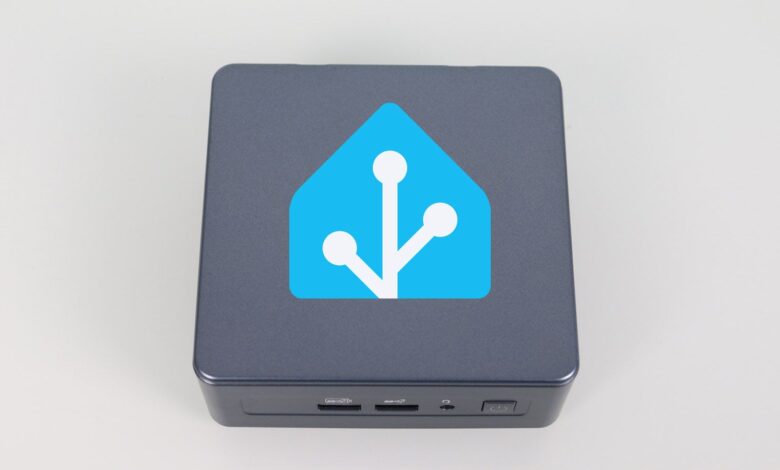
Home Assistant OS 18.0 has arrived with a change that many low-end users will immediately notice: the system now handles swap space in a far more balanced way. For devices with limited memory, that update could mean a smoother experience without the old storage waste.
The revision matters because Home Assistant is often installed on compact hardware that stays on all day, including Raspberry Pi-based setups and other lightweight systems. In that environment, memory management is not a minor detail, but one of the main factors that decides whether the platform feels stable or strained.
A more practical swap policy
The biggest change in this release is the default swap size. Home Assistant OS previously used a swap file set at 33% of total system RAM, which did not serve low-memory and high-memory systems equally well.
With version 18.0, the default swap file is now capped between 1GB and 4GB. Devices with up to 2GB of RAM receive a slightly larger swap file than before, while systems with more than 12GB of RAM no longer create an unnecessarily large one.
For higher-memory machines, Home Assistant OS now limits swap to 4GB and recreates oversized legacy swap files at the smaller size. At the same time, users who have configured swap manually do not lose their settings, because those custom values remain untouched.
Why the change matters for everyday use
This adjustment is especially relevant for users who rely on modest hardware to run home automation around the clock. A swap file that is too small can leave the system short of breathing room, while one that is too large can waste valuable storage without improving daily performance.
Home Assistant OS 18.0 tries to strike a better balance across that entire range of devices. The result is a default policy that is more sensible for tiny systems and less wasteful on machines with plenty of memory.
Other improvements in the release
The update is not limited to swap management. Home Assistant OS 18.0 also moves the Linux kernel from 6.12 to 6.18, which can improve hardware compatibility, stability, and lower-level system support.
Another notable change is faster flashing of new images. That should help users setting up a fresh installation or recovering a system, even if the improvement is largely invisible during normal day-to-day use.
It is also important to distinguish this release from the Home Assistant application itself. Version 18.0 updates the operating system that forms the platform’s foundation, so it does not appear as a routine app update inside the dashboard.
According to Linuxiac, which highlighted the release first, the new version is already available through the project’s GitHub page along with the official changelog. That gives users a place to review the full list of changes before upgrading.
For households running Home Assistant on compact hardware, the timing is straightforward: the platform now treats limited RAM with more care and avoids wasting resources where they are not needed. At the same time, larger systems no longer carry oversized swap files that offer little practical benefit.