


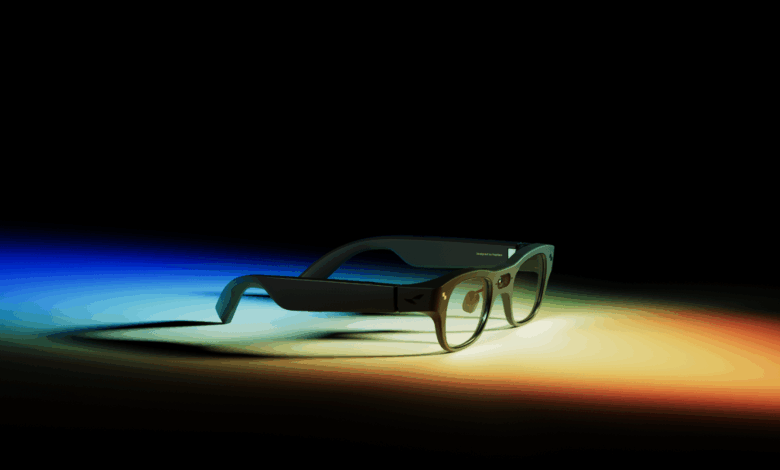
RayNeo’s newest smart glasses line puts the X3 Pro in the spotlight, but the most significant challenge is not the hardware. The real obstacle is still market access, since limited availability could keep the device out of reach for many buyers.
That matters because the X3 Pro is not just another display-focused wearable. RayNeo has built in Gemini AI features that can handle facial recognition, object identification, and calorie estimation, turning the glasses into something more practical than a simple visual accessory.
A premium model built around AI and XR
At AWE 2026, RayNeo presented three advanced smart glasses models, with the X3 Pro positioned as the flagship. The company emphasized AI-powered displays, micro LED waveguide technology, and extended reality functions across the lineup.
The X3 Pro uses dual micro LED waveguide displays designed to deliver high visual clarity and a wide field of view. That combination is meant to support use cases that demand strong image fidelity while keeping the device compact and portable.
Gemini AI is the feature that separates the X3 Pro from a conventional wearable display. By adding recognition and estimation tools, RayNeo is aiming at scenarios such as urban navigation, fitness tracking, and professional use.
Useful features, but not for every buyer
The target audience is clear: technology enthusiasts and professionals who want advanced capabilities and are willing to pay for a premium experience. That positioning also creates a limitation, because the higher price naturally reduces appeal for users looking for a more affordable option.
RayNeo’s broader smart glasses push also includes the GT Max, a lower-cost XR model with 3 Degrees of Freedom tracking, a 59-degree field of view, and Bang & Olufsen audio. It is aimed at casual and everyday use, giving the company a more accessible alternative in the same category.
Distribution remains the bigger issue
Even so, the GT Max highlights the same weakness that shadows the X3 Pro. The model is currently available only in China, which leaves international buyers facing import hurdles or the need to look for unofficial ways to get one.
That situation underscores the central problem facing RayNeo’s new lineup. The company is making real progress in AI and XR, but restricted regional availability continues to limit how far those products can spread.
For consumers outside the main market, that can mean higher costs, uncertain shipping, and no clear official launch timeline. It also makes it harder to judge when the devices will become a practical purchase rather than a product to watch from afar.
What RayNeo is signaling next
RayNeo has also hinted at a future model said to follow the success of Inmo Go 3. Details remain limited, though the device is expected to feature a compact display and AI-based capabilities.
There is speculation about a possible 2027 release, but pricing, final features, and launch markets have not been confirmed. Until those questions are answered, the X3 Pro stands as RayNeo’s clearest statement of intent: ambitious, feature-rich, and still constrained by access.