


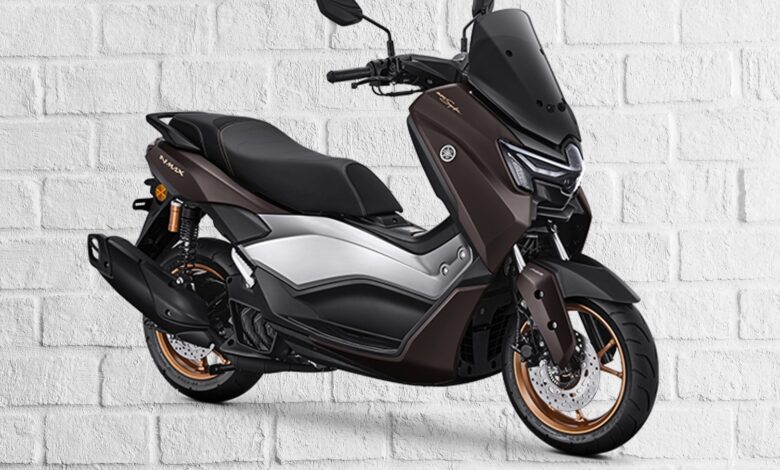
Yamaha NMAX Turbo Tech Max remains one of the most talked-about premium scooters in the Indonesian market, even with its price sitting firmly in the upper tier in May 2026. The appeal is simple: it combines a refined ride, modern technology, and a level of comfort that continues to attract buyers.
Market checks in May 2026 place the model at around Rp46 million to Rp48 million on-the-road, depending on region and color choice. That pricing keeps it in a clear premium position, yet demand has not faded because the package goes beyond appearance alone.
What makes the price feel justified
For many prospective buyers, the main attraction is the way the NMAX Turbo Tech Max changes the riding experience compared with earlier generations. Yamaha has added a set of technologies that make the scooter feel more modern, more practical, and more upscale for daily commuting or long-distance use.
One of the biggest changes is the YECVT system, Yamaha’s latest electronic transmission technology. It gives acceleration a smoother and more responsive character, which helps the scooter stand out in the premium class.
The turbo riding mode adds another layer to that character. When activated, the power delivery feels more immediate, giving the scooter a sharper response across different road conditions.
Yamaha still uses the 155cc Blue Core VVA engine on the NMAX Turbo Tech Max. The engine is known for being efficient while still delivering solid performance, and the new electronic system helps it respond faster when the rider needs extra urgency.
That combination makes the scooter relevant in more than one setting. In the city, it remains agile and comfortable, while on intercity trips or touring runs it keeps enough character to stay confident.
Premium cockpit features add daily convenience
Another major selling point sits right in the cockpit. Yamaha equips the NMAX Turbo Tech Max with a modern TFT display that integrates Garmin StreetCross navigation.
That setup gives riders easier access to directions directly on the instrument panel. It reduces the need to keep checking a smartphone while riding, which adds practical value for users who rely on the scooter as a primary mobility tool.
For a premium scooter segment, this kind of integration matters. It gives the NMAX Turbo Tech Max a stronger touring-friendly profile and makes the cockpit feel more advanced than a standard commuter setup.
Comfort remains one of the strongest arguments
Comfort is another area where the model continues to win attention. Yamaha fits the scooter with a premium seat design and an ergonomic layout that supports a relaxed riding position on both short and long trips.
The rear suspension also uses a sub-tank design, which helps stability when the road surface becomes uneven. Together, those elements give the scooter a more composed feel and support the premium image attached to it.
That is one reason the NMAX Turbo Tech Max often earns the “sultan scooter” label among enthusiasts. The combination of elegant styling, advanced equipment, and strong comfort keeps it firmly in the conversation despite its price.
Safety equipment rounds out the package
Yamaha also gives the model a solid safety list. The NMAX Turbo Tech Max comes with dual-channel ABS, traction control system, smart key system, and emergency stop signal.
Those features add reassurance in varied riding conditions and strengthen the scooter’s position in a segment where buyers expect more than basic transport. In the premium class, safety features can be just as influential as styling or engine output.
Dealer interest has reportedly remained healthy through mid-2026, showing that the model’s appeal extends beyond its headline price. Many buyers still see the NMAX Turbo Tech Max as a complete package built for comfort, technology, and everyday usability.
In a market where premium scooters are judged by more than affordability, Yamaha NMAX Turbo Tech Max continues to offer the kind of blend that makes it difficult to ignore. Its price may be high, but the features and riding experience still give it a strong case.