


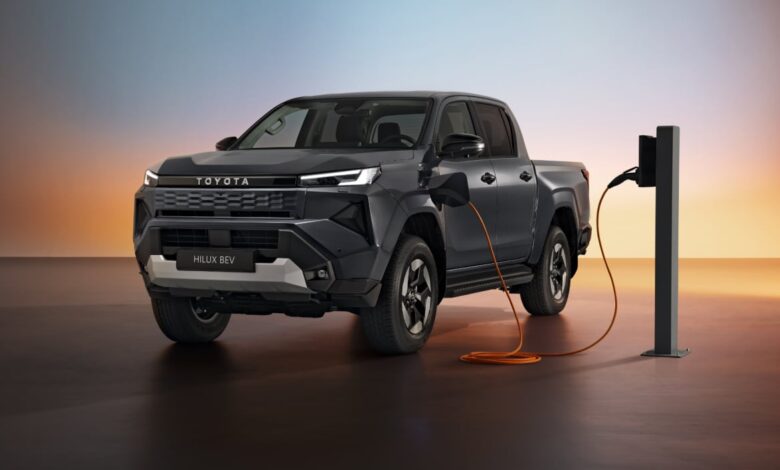
Toyota has brought the Hilux BEV to market with a starting price of around Rp870 million, signaling that electrification is moving into one of the most traditional commercial vehicle segments. The pickup arrives as a direct challenge to diesel-powered models that have long dominated work-focused buyers.
The move matters because the pickup class has usually been judged by endurance, load capacity, and reliability above all else. With Hilux BEV, Toyota is trying to add a new layer to that formula by pairing familiar toughness with an electric drivetrain.
A New Option for Work-Oriented Buyers
For business users, a pickup is more than transportation. It is a daily operating tool, and that makes long-term usage cost a central concern alongside performance.
Hilux BEV is positioned to answer that need by offering a lower reliance on fossil fuel use and a more modern approach to mobility. Toyota’s entry into this segment also shows that electrification is no longer limited to passenger cars.
| Key Point | Hilux BEV |
|---|---|
| Starting price | Around Rp870 million |
| Powertrain | Electric motor |
| Main appeal | Tough work-ready character with electric efficiency potential |
| Segment impact | Aims at diesel-dominated commercial pickup buyers |
Torque and Response Are Central to Its Appeal
One of the biggest advantages of an electric pickup is instant torque, and that is a major selling point for Hilux BEV. The available pulling force from low speed is especially relevant when carrying loads or moving through challenging road conditions.
That kind of response can support the demanding pace of commercial use. Quick acceleration from the start is not just a performance feature, but also a practical benefit in day-to-day operations.
Toyota has also kept the Hilux identity intact, so the electric version still carries the brand’s well-known rugged image. The exterior remains sturdy, while newer design elements give it a fresher and more futuristic look.
Cabin Upgrades Match the New Powertrain
The interior has been brought up to a more modern standard as well. The cabin includes the latest infotainment system, a digital instrument panel, and broader connectivity features.
Those updates matter because work vehicles are increasingly expected to offer better usability and comfort, not only durability. The change gives Hilux BEV a more refined feel than the purely functional image often associated with pickups.
Safety has also been given attention through driver assistance features and modern protection systems. In a vehicle used daily for operations, that kind of support can contribute to both security and continuity of work.
Why the Market Will Pay Attention
The appeal of Hilux BEV is not only about image or novelty. It also reflects a wider shift in how commercial vehicles are evaluated, with efficiency and operating costs becoming more important than before.
By entering the pickup market with a fully electric model, Toyota is broadening the choices available to buyers who still need a tough vehicle but want to move away from conventional combustion power. That makes Hilux BEV one of the more significant signs that electrification is beginning to pressure diesel’s long-standing position in the commercial segment.