


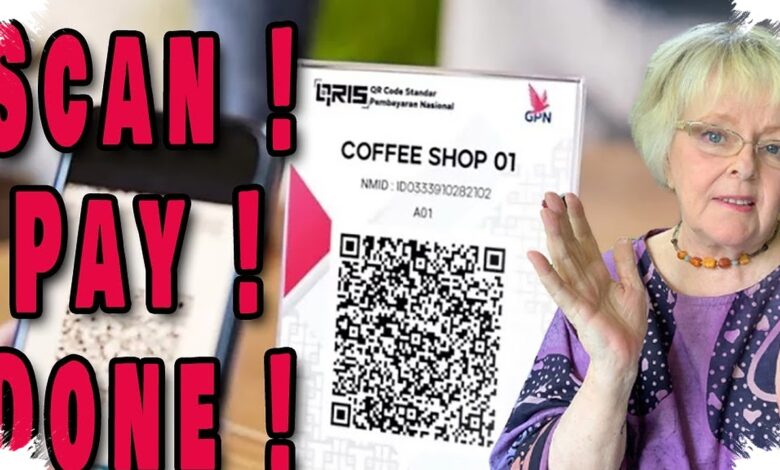
QRIS has rapidly changed everyday spending in Indonesia by moving payments from cash to a simple phone scan. The shift is visible not only in modern retail stores, but also in street stalls, small merchants, and other daily shopping spots.
What once required cash withdrawals and loose change now often happens through a QR code on a merchant counter. For many consumers, that has made payment faster, lighter, and easier to track.
Cash is no longer the default
Shopping used to begin with a trip to the ATM to make sure the wallet was filled with cash. That routine is fading as more businesses provide QRIS as a payment option.
The change also reduces the hassle of finding exact change. It can cut down the need to carry a thick wallet and lowers the risk of losing physical cash while traveling.
Payments are completed in seconds
The QRIS flow is straightforward. Shoppers open a financial app, scan the merchant code, and confirm the payment amount with one tap.
That speed has helped digital payments move beyond large purchases and into small daily transactions. Coffee runs, lunch bills, and weekly groceries can now be paid without a long wait at the cashier.
Promotions are shaping new spending habits
QRIS has also encouraged shoppers to pay closer attention to discounts and cashback offers. Many digital wallet and banking services routinely provide direct price cuts and rewards for selected transactions.
As a result, consumers are increasingly comparing promotions before paying. In practice, that makes offline shopping feel more like online shopping when it comes to saving money.
Spending is easier to monitor
Digital payments also leave an automatic transaction trail. That gives users a real-time record of spending, something cash transactions rarely provide in such a clear form.
With cleaner records, consumers can review weekly expenses and curb impulsive purchases more easily. That habit supports more disciplined personal finance management.
Online and offline shopping are getting closer
Online marketplace purchases and in-store shopping once felt like separate experiences. Today, one financial app can support both, making the line between digital and physical retail much thinner.
That integration gives consumers a more flexible shopping experience, while QRIS adoption also strengthens the position of UMKM in the digital era. The payment system has become part of a broader shift in how Indonesians spend, compare offers, and manage money.
| Change | What It Means | Consumer Impact |
|---|---|---|
| Cash to scan-based payment | Payments move from cash and change to QR codes on a phone | Faster checkout and less cash to carry |
| Automatic transaction records | Digital systems store spending history in real time | Easier expense tracking and budget control |
| Promo-driven behavior | Users compare discounts and cashback before paying | More savings-focused shopping decisions |
Bank Neo Commerce also highlights QRIS access through its neobank app, where scanning can be done instantly at millions of selected merchants across Indonesia. That convenience helps explain why QRIS is now embedded in so many everyday purchases.