


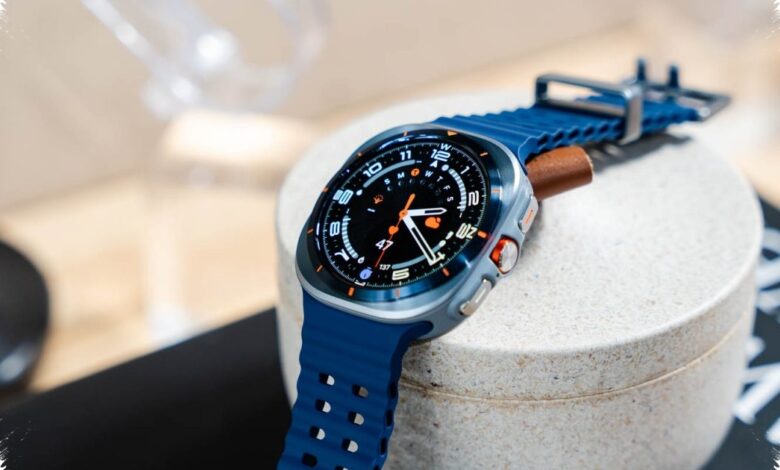
Samsung appears ready to reshape its smartwatch lineup with the Galaxy Watch 9 series. The biggest signal is not just a new pair of models, but the end of the Classic variant, which has long been part of the company’s wearable identity.
That change suggests a clearer split in Samsung’s plan. One model is being shaped for everyday use, while the other is being pushed toward tougher conditions, longer battery life, and more advanced outdoor-focused features.
Two models, two very different roles
The standard Galaxy Watch 9 is expected to stay close to familiar territory. It is said to resemble the Galaxy Watch 8 closely, with an aluminum body and 40 mm and 44 mm size options.
Its color choices are reportedly cream, graphite, and silver. That combination points to a model aimed at users who want a practical smartwatch that works well for daily wear without looking oversized.
The Galaxy Watch 9 Ultra, by contrast, is positioned as the more rugged option. It is said to use a 47 mm case, sapphire crystal display, and bezel markings that reinforce its tougher identity.
| Model | Size / Build | Notable Details | Color / Connectivity |
|---|---|---|---|
| Galaxy Watch 9 | 40 mm, 44 mm, aluminum | Similar design to Galaxy Watch 8 | Cream, graphite, silver; Bluetooth, LTE |
| Galaxy Watch 9 Ultra | 47 mm, sapphire crystal | Bezel markings, rugged build | Color not disclosed; GPS LTE 6.0, Wi‑Fi 6, ultra-wideband, LTE |
Performance is set for a major shift
One of the most notable upgrades is the move away from Exynos. Samsung is reportedly switching the Galaxy Watch 9 series to the Snapdragon Wear Elite chipset.
That change is expected to improve the basics that matter most in daily use, including faster processing, smoother app navigation, better multitasking, and quicker responses for fitness tracking and notifications.
Efficiency is also expected to improve, meaning the performance jump is not only about speed but also about helping the watch last longer between charges.
Ultra leads on battery and connectivity
The Galaxy Watch 9 Ultra seems set to be the most durable and feature-rich model in the lineup. It is reported to include an 800 mAh battery, which is meant to support longer use during busy days and outdoor activities.
The regular Galaxy Watch 9 uses a smaller battery, but it is said to compensate with faster charging. That makes it a more convenient option for users who prioritize quick top-ups over maximum endurance.
Connectivity also tilts toward the Ultra. Reported features include GPS LTE 6.0, Wi‑Fi 6, ultra-wideband support, and LTE for staying connected away from a phone.
The standard model is not as expansive, but it still supports Bluetooth and LTE. For most users, that should be enough for notifications, activity tracking, and basic communication.
Health tracking remains a core priority
Samsung continues to treat wellness as a central part of the series. Both models are said to include Health Care Score, a feature designed to give a broader view of overall health with easier-to-use insights.
Daily Cardio Load Monitoring is also part of the package. It is intended to help users follow cardiovascular activity and better judge workout intensity and recovery needs.
Another notable feature is Hearing Health Alerts, which are designed to warn users when they spend too long in noisy environments. That adds a long-term protection angle to the watch’s health toolkit.
Together, these features show that the Galaxy Watch 9 series is being built to do more than simply track steps and notifications. Samsung is clearly positioning the watches as more active health companions in a crowded wearable market.
Different buyers, different reasons to upgrade
The Galaxy Watch 9 appears aimed at users who want something light, familiar, and easy to wear all day. It should appeal to owners of older smartwatches who want a more modern device without moving to a larger or tougher design.
The Galaxy Watch 9 Ultra is meant for people who need stronger battery life, broader connectivity, and a more rugged build. That makes it a better fit for outdoor users and professionals with demanding schedules.
For Galaxy Watch 8 owners, the standard model may feel like a gradual step forward rather than a dramatic leap. The Ultra version may be the more compelling upgrade, especially for those who care most about endurance and performance.
Samsung has not confirmed pricing yet, though reports suggest the company may raise prices slightly compared with the previous generation. The lineup is expected to launch in August 2026, with a rumored announcement date of July 22, 2026.