


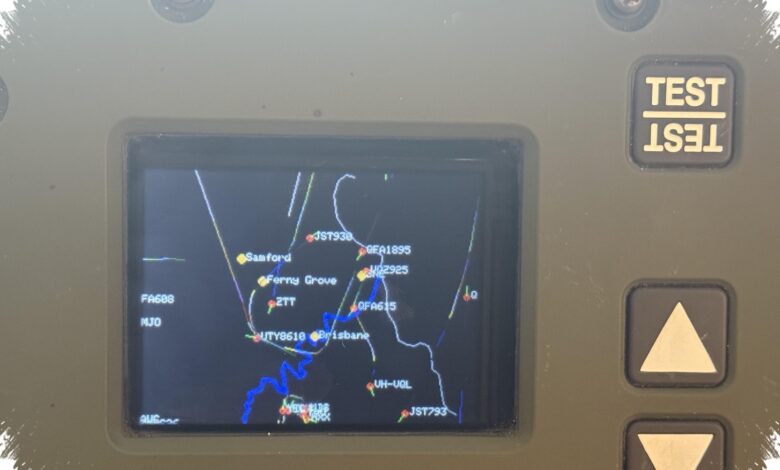
An ESP32-S3 project known as ESP32 Flight Tracker is drawing attention because it turns live air traffic monitoring into a handheld DIY gadget. Instead of relying on a traditional dashboard, it uses a form factor closer to a portable game console.
The result is a compact device that can display flights in near real time and let users pick individual aircraft through physical controls. For aviation fans, that combination makes the project stand out from more conventional tracking tools.
A tracker that feels like a console
What makes the project unusual is its control scheme. It includes a joystick and physical buttons, which give the device a familiar handheld feel while navigating aircraft lists and flight details.
That approach is especially practical for users who prefer tactile controls over touch menus. The interface is simple, direct, and built for quick browsing rather than complex interaction.
Dual screens add more room for flight data
The project uses both a TFT panel and an OLED display, allowing it to present flight information in a more flexible layout. The dual-screen setup creates more space for maps, lists, and selected aircraft details.
According to the project description, the system is built around an ESP32-S3 and also uses a dual-core architecture. That setup helps the device handle data fetching and on-screen rendering efficiently within a small build.
| Project Element | What It Does | Why It Matters |
|---|---|---|
| ESP32-S3 | Main controller | Supports the handheld tracker design |
| TFT + OLED | Dual-screen output | Provides more room for flight data |
| Joystick and buttons | Physical navigation | Makes aircraft selection easier |
| OpenSky Network API | Live data source | Supplies active flight information |
Built on live data from OpenSky
The tracker pulls aircraft information from the OpenSky Network API and refreshes the data every 120 seconds. That polling interval does not deliver second-by-second updates, but it is close enough for casual monitoring.
For people who follow aviation traffic, the device offers a convenient way to watch flights and inspect a specific aircraft when needed. It is designed to show more than just moving dots on a map.
From game module to standalone project
The project also has an unusual origin story. It was first created as a module for a custom handheld game console before being separated into a self-contained flight tracker.
That background explains why the device looks and feels like a gaming gadget. The controls that once made sense for portable play now make the tracking experience more intuitive.
Open for makers to build
GitHub user emir173 shared the project, and it also appeared in the ESP32 community on Reddit. The source code and build instructions are available, making it possible for other makers to reproduce the device.
That openness matters because many DIY concepts stop at demonstration stage. In this case, the project is presented as something the wider community can actually assemble and use.
Interest in home-built sky monitoring devices has grown in recent weeks, including Raspberry Pi projects that brought similar tracking functions into different formats. ESP32 Flight Tracker joins that trend with a smaller, more portable design.
For microcontroller enthusiasts, the project shows how far the ESP32-S3 can go beyond basic sensor or home automation tasks. For aviation fans, it offers a hands-on way to follow the sky through a device that feels personal, compact, and interactive.