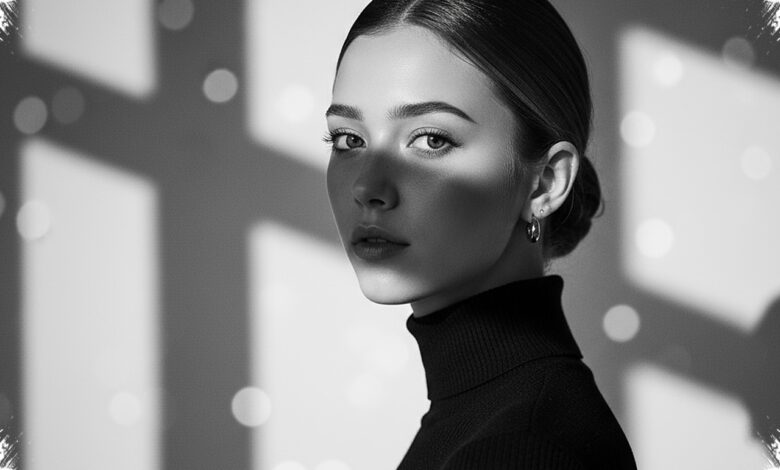
Indoor photography is becoming one of the easiest ways to make an AI-edited portrait look polished without losing its original identity. With Gemini AI prompt guidance, a simple indoor scene can be turned into a result that feels realistic, balanced, and close to a professional photo shoot.
The appeal is straightforward: indoor settings give creators more control over light, background, and mood. Living rooms, libraries, industrial studios, wood-accent cafes, premium workspaces, and luxury hotel lobbies all offer strong visual character without requiring an outdoor location.
Why indoor portraits are so effective
Photos taken inside a room often feel more manageable because the lighting can be directed more easily. Weather is not a factor, and the interior itself can add visual value without needing excessive props.
That makes it easier to build an elegant and comfortable atmosphere through composition. Natural light from a window can be paired with room lighting to create even exposure, softer shadows, and skin tones that still look believable.
What keeps the result from looking artificial
A convincing AI portrait depends on more than improved color. Facial expression must remain alive, eye contact must feel natural, skin texture should not become overly smooth, and the lighting needs to match the direction of the scene.
Prompt detail is the main factor that shapes the final image. Clear instructions help the system understand body position, light direction, facial expression, and the mood of the room, while active phrasing makes the requested changes easier to interpret.
Six indoor settings with distinct visual character
Each indoor environment creates a different story. A minimalist living room delivers a modern and clean feel, a library adds calm and class, an industrial studio feels more artistic, while a wood-filled cafe emphasizes warmth and comfort.
For that reason, many prompts combine a specific pose with a specific light source. A relaxed pose, focused gaze, and non-stiff body language help the portrait look more natural and photogenic.
| # | Indoor Scene | Main Pose | Visual Mood |
|---|---|---|---|
| 1 | Modern minimalist living room with sunlight from a large window on the right | Standing casually, one hand in a pocket, the other holding a cup of coffee, body slightly angled | Warm, relaxed, professional |
| 2 | Modern library with tall bookshelves, an elegant wooden table, and warm lighting | Sitting on a wooden chair with crossed legs, holding an open book | Calm, refined, confident |
| 3 | Industrial-style studio with an artistic concrete wall, green plants, and natural light | Standing at a 45-degree angle, arms folded in front of the chest, relaxed shoulders | Bold, artistic, sharp |
| 4 | Elegant cafe with wood interiors, a marble table, plants, and warm lighting | Sitting casually, resting the chin on one hand, body slightly facing the camera | Friendly, warm, natural |
| 5 | Premium workspace with a wooden desk, modern laptop, plants, and a large bright window | Standing beside the desk, holding a tablet with both hands, one foot slightly forward | Professional, confident, clean |
| 6 | Luxury hotel lobby with elegant decor, a large chandelier, polished marble floors, and soft even lighting | Walking slowly toward the camera while holding a jacket, upright posture, relaxed steps | Polished, elegant, premium |
The six prompt directions in practice
The first prompt places the subject in a modern living room with sunlight entering from the right side through a large window. The body is slightly turned, one hand rests in a pocket, the other holds a cup of coffee, and the expression is warm with a subtle smile.
The second prompt moves the portrait into a modern library with tall shelves, a wooden table, and warm lighting. The subject sits on a wooden chair with crossed legs, holding an open book, while keeping a calm expression and a light, confident smile.
The third prompt shifts the image to an industrial studio with a concrete wall, green plants, and daylight from a large window. The subject stands at a 45-degree angle with folded arms, relaxed shoulders, and a sharp gaze directed at the camera.
The fourth prompt creates an elegant cafe scene with wood interiors, a marble table, decorative plants, and warm light. The subject sits in a relaxed pose, supports the chin with one hand, faces the camera slightly, and shows a natural friendly smile.
The fifth prompt places the subject in a premium workspace with a wooden desk, a modern laptop, plants, and bright window light. The subject stands beside the desk holding a tablet with both hands, one foot positioned slightly ahead, and wears a subtle confident smile.
The sixth prompt takes the portrait into a luxury hotel lobby with decorative elegance, a large chandelier, glossy marble flooring, and soft even lighting. The subject walks slowly toward the camera while holding a jacket, keeping an upright posture, a relaxed stride, and a focused expression with a thin smile.
Details that must stay consistent
All of the prompts focus on the same priority: preserve the original face, skin texture, hair detail, clothing color, and body proportions. Shadows, reflections, and light direction also need to match the room so the final result still looks coherent.
That approach helps indoor portraits appear clean, natural, and high quality. The final image is meant to resemble a professional photo session without the excessive signs of AI editing.
In practice, the strongest results come from prompts that describe the room, the light, the pose, and the expression in one clear instruction set. When those elements work together, an indoor portrait can look believable while still carrying a stronger visual finish.