


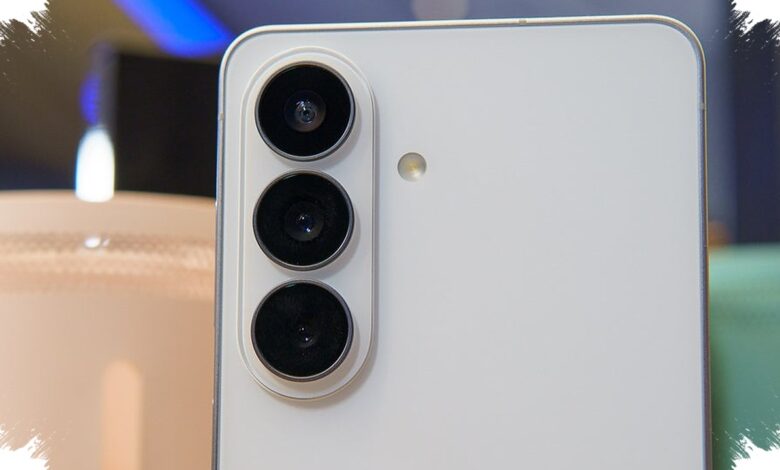
Samsung’s effort to soften the Galaxy S27’s price tag may be running out of road. A planned switch to a cheaper OLED panel has reportedly fallen through, removing one of the clearest ways to offset rising component costs.
That matters because the display is one of the biggest cost drivers in any flagship phone. When a lower-cost panel is no longer on the table, pressure from RAM, storage, and processor pricing becomes much harder to absorb.
Why the display deal mattered
According to a report cited by Android Authority, Samsung’s planned cooperation with BOE did not move forward. The deal was meant to bring in panels for the Galaxy S27, but the project is now said to have been stopped by BOE.
The idea was attractive for a simple reason: cost. Earlier rumors in May suggested BOE could produce OLED panels at roughly 20% lower cost than Samsung, making it one of the most realistic options for keeping the next Galaxy flagship from getting even more expensive.
| Item | What Was Reported | Potential Impact |
|---|---|---|
| BOE OLED panel | About 20% cheaper than Samsung’s panel | Could have helped Samsung contain Galaxy S27 pricing |
| Samsung in-house panel | Likely remains the main option after the deal stalled | Less room to offset higher component costs |
More than just a pricing issue
If the BOE plan had gone ahead, the Galaxy S27 could have become the first Samsung flagship to use a non-Samsung display panel. That possibility alone made the deal notable, since it would have marked a major shift in how Samsung sources one of its most important components.
There was also internal resistance. Samsung Display reportedly was not enthusiastic about the idea of Samsung’s top-tier phone relying on a third-party panel for the first time, and that pushback may have been part of the reason the arrangement stalled.
The exact cause of the collapse has not been made clear. Even so, the end result points in the same direction for buyers: fewer options to hold the Galaxy S27’s price down.
Costs are rising in several places
The display issue arrives at a time when the broader component market is already under strain. Demand linked to AI projects is said to be consuming large amounts of storage, RAM, and processors, pushing prices higher across the supply chain.
That makes every possible saving important for smartphone makers. Without the cheaper panel option, Samsung has one less lever to use as it tries to balance premium hardware and consumer pricing.
Even before the BOE development surfaced, expectations were already leaning toward a price increase for the Galaxy S27. Current estimates suggest the series could rise by about $50 to $100.
That would follow the Galaxy S26’s own increase and could leave the next flagship roughly $200 more expensive than a model from two years earlier. On top of that, Snapdragon 8 Elite Gen 6 Pro is also expected to cost more than its predecessor, adding another layer of pressure to Samsung’s bill of materials.
What buyers may feel next
For consumers, the most immediate concern is straightforward: the path to a cheaper Galaxy S27 appears narrower than before. If Samsung cannot rely on lower display costs, there is less room to cushion the impact of rising RAM, storage, and chipset expenses.
At the same time, some buyers may see the stalled BOE plan as a relief from a quality standpoint. Using a lower-cost display supplier was always going to invite questions about consistency in a flagship product, even if it might have helped the final price.
For now, Samsung has not released official pricing details for the Galaxy S27. But with the cheaper OLED deal apparently gone, and with component costs still climbing, the outlook for the next Galaxy flagship looks more expensive than many hoped.