


Android 17 is drawing attention because it is expected to strengthen security, artificial intelligence, and power efficiency. For smartphone users, the bigger question is not just what the new system will add, but which devices are still eligible for the update.
That question matters more as software support becomes a major factor in device safety, daily convenience, and a phone’s usable lifespan. With manufacturers competing to extend update windows, the list of phones likely to receive Android 17 is now an important reference for both buyers and existing owners.
Pixel and Samsung remain the strongest candidates
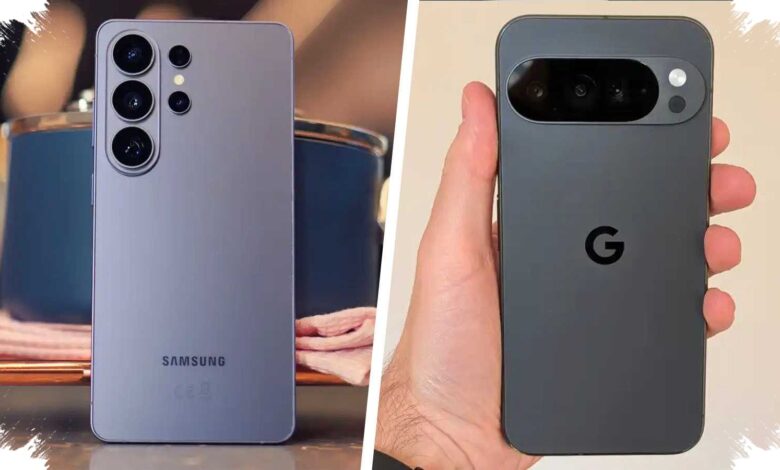
Google’s Pixel line is expected to be among the first to get Android 17 because Google develops the operating system directly. The Pixel 9 series, Pixel 9a, and Pixel 10 series all have strong chances of receiving the update early, while some older Pixel generations may still qualify as long as their official support periods have not ended.
Samsung is also expected to move quickly through newer One UI releases across its premium and midrange devices. The Galaxy S24 series, Galaxy S25 series, and Galaxy S26 series stand out as strong candidates, along with foldables such as the Galaxy Z Fold6, Galaxy Z Fold7, Galaxy Z Flip6, and Galaxy Z Flip7.
| Brand | Likely Android 17 Candidates | Notes |
|---|---|---|
| Pixel 9 Series, Pixel 9a, Pixel 10 Series | Expected to receive the update first | |
| Samsung | Galaxy S24 Series, Galaxy S25 Series, Galaxy S26 Series, Galaxy Z Fold6, Galaxy Z Fold7, Galaxy Z Flip6, Galaxy Z Flip7 | Likely to arrive through the next One UI releases |
Midrange phones are not left out
In the more affordable segment, Samsung has several names that are also in line for a possible update. The Galaxy A56 5G, Galaxy A36 5G, and Galaxy A26 5G are expected to be eligible, as are selected newer Galaxy Tab models that are still within their long update window.
Xiaomi is another brand that continues to extend software support across its premium and midrange portfolios. The Xiaomi 15 series and Xiaomi 16 series are strong candidates, while the Redmi Note 14 series and Redmi Note 15 series are also expected to appear on the list.
OPPO, realme, vivo, and Motorola are also in the mix
OPPO is expected to bring Android 17 through a newer ColorOS version for devices that still remain within their operating system support period. The OPPO Find X8 series and Find N series stand out in the premium and foldable categories, while the Reno12 series, Reno13 series, and Reno14 series also have a chance.
realme is preparing support for several GT series models and its newer numbered lineup. The realme 13 series, realme 14 series, and some recent Narzo models are also expected to be included, depending on each device’s policy.
vivo is set to join the update wave through newer Funtouch OS releases for eligible devices. The vivo X200 series, vivo X300 series, vivo V50 series, and vivo V60 series are among the candidates to watch, together with selected newer Y series models that have longer update commitments.
Motorola is also reinforcing its update commitment on several devices that are still inside their official support period. The Edge series, the latest Razr models, and newer Moto G phones are all seen as potential Android 17 recipients.
| Brand | Likely Android 17 Candidates | Category |
|---|---|---|
| Samsung | Galaxy A56 5G, Galaxy A36 5G, Galaxy A26 5G | Midrange phones |
| Xiaomi | Xiaomi 15 Series, Xiaomi 16 Series, Redmi Note 14 Series, Redmi Note 15 Series | Premium and midrange phones |
| OPPO | OPPO Find X8 Series, Find N Series, Reno12 Series, Reno13 Series, Reno14 Series | Premium, foldable, and midrange phones |
| realme | realme 13 Series, realme 14 Series, newer Narzo models | Numbered and GT/Narzo lineup |
| vivo | vivo X200 Series, vivo X300 Series, vivo V50 Series, vivo V60 Series, selected newer Y series models | Premium, midrange, and Y series |
| Motorola | Edge Series, latest Razr models, newer Moto G phones | Flagship, foldable, and entry-to-midrange |
Nothing and POCO also have a realistic chance
Nothing continues to attract attention with its lightweight, simple Android experience that stays close to Google’s software style. The Nothing Phone (2), Nothing Phone (2a), Nothing Phone (3), and newer generations could receive Android 17 based on their support timelines.
POCO users may want to keep an eye on the POCO F7 series and POCO X7 series. Some global Redmi K series models may also be updated alongside the next HyperOS release, which is expected to bring additional optimizations.
What Android 17 is expected to improve
Android 17 is expected to rely more heavily on artificial intelligence to support everyday smartphone tasks. AI could be used for information search, photo editing, live translation, notification management, and system adjustments based on user habits.
Google is also expected to expand on-device AI processing so that it runs faster and more efficiently. Another priority is battery management, with smarter control over background apps.
Security remains a major focus because digital threats continue to evolve. Android 17 may offer more detailed app permission controls for location, camera, microphone, storage, and personal data, while also strengthening system protection through security updates and threat detection.
How users can check the update
Users can usually check update availability through the Settings menu, then the Software Update section. However, rollout often happens in stages, so two devices of the same model may not receive Android 17 at the same time.
Region, carrier, device variant, and the manufacturer’s testing phase can all affect the release schedule. For that reason, owners should still monitor official announcements from each brand before assuming their device will receive Android 17 on a stable release.
Not every smartphone will get the update because older devices may already be outside their operating system support window. For buyers planning a new purchase, the list of likely Android 17 devices is worth considering because longer support usually means access to newer features, better security, and stronger app compatibility.