Hyundai is being linked to a potential Ioniq 3 appearance at GIIAS 2026, and the model is already drawing attention as one of the event’s most anticipated vehicles. The reason is simple: this compact electric SUV is expected to arrive with a combination of practicality, modern design, and EV appeal that could challenge rivals in Indonesia’s growing market.
The prospect matters because Hyundai has already built momentum in electrification, and a new model would widen its electric lineup even further. If the Ioniq 3 does make its way to GIIAS 2026, it would reinforce Hyundai’s push to strengthen its position in Indonesia’s EV segment.
A compact electric SUV aimed at everyday use
The Ioniq 3 is projected to target buyers who want a compact electric SUV for daily driving. That positioning makes it relevant for urban mobility, where drivers need a vehicle that stays easy to manage without giving up family-friendly comfort.
Its dimensions are said to be designed for simple maneuverability in crowded traffic. Even with a smaller footprint, the cabin is expected to remain comfortable for passengers.
This approach fits the needs of Indonesian consumers, who increasingly want EVs that are not only efficient but also practical in city environments.
Table: Key expected appeal points
| Focus Area | Expected Strength | Why It Matters |
|---|---|---|
| Body Style | Compact electric SUV | Suitable for daily urban use |
| Design | Futuristic and aerodynamic | Helps efficiency and visual appeal |
| Powertrain | Responsive electric motor | Useful in stop-and-go traffic |
| Interior | Digital and minimalist | Supports a modern driving experience |
Futuristic styling is part of the draw
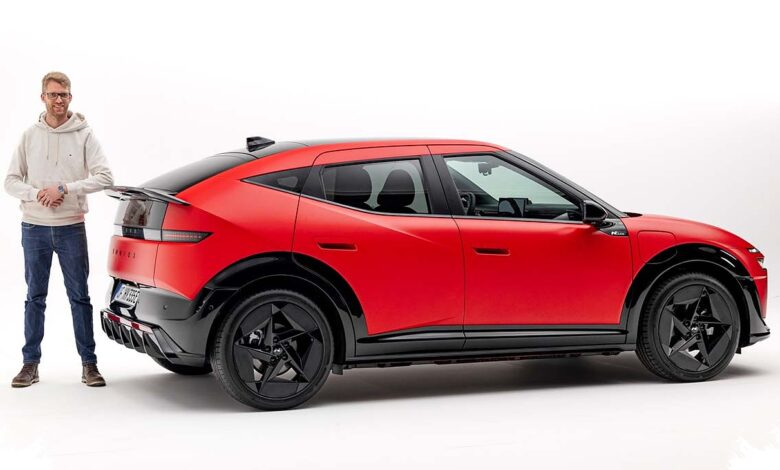
Based on the circulating information, Hyundai Ioniq 3 is expected to carry the futuristic design language that has become a signature of the Ioniq family. That identity could make the model instantly recognizable on the road.
The exterior is said to lean toward a more aerodynamic shape, a detail that should support efficiency while also giving the car a more premium look. Sharp body lines and modern lighting elements are also expected to stand out.
That design direction could help the Ioniq 3 distinguish itself in its class. For many buyers, exterior appearance often becomes the first point of interest before they assess technology and features.
Performance and efficiency remain central
On the technical side, Hyundai is expected to rely on a responsive and efficient electric motor. That character is important for a compact SUV segment that still needs lively acceleration, especially in stop-and-go traffic.
Modern battery technology is also expected to be one of the Ioniq 3’s main strengths. A competitive driving range is seen as crucial for both daily mobility and occasional intercity trips.
Energy efficiency is believed to be a major focus in Hyundai’s electric vehicle development. That aligns with consumer priorities that increasingly include lower running costs and environmental benefits.
Inside, the cabin is expected to stay clean and digital
In the cabin, the Ioniq 3 is predicted to offer a minimalist atmosphere with digital touches. Hyundai appears to be aiming for a balance between a modern feel and ease of use.
A large infotainment display is likely to become the main control hub for the vehicle’s features. The driver is also expected to get a digital instrument panel that is clear and straightforward.
Together, those elements are intended to improve driving comfort. In the modern EV segment, the cabin experience is now one of the key factors that shapes product competitiveness.
Safety features are expected to play a major role
Beyond styling and performance, modern safety features are expected to be part of the Ioniq 3 package. Driver-assistance technology is likely to receive special attention.
Those features are expected to help increase confidence on the road. That fits Hyundai’s established reputation for bringing safety technology into its products.
For EV buyers, advanced driver-assistance systems are increasingly a major consideration. That could make this area an important differentiator when the Ioniq 3 meets rivals in the market.
A model with broad market potential
Hyundai’s presence at GIIAS 2026 is expected to be one of the event’s major attractions, and the Ioniq 3 would add more weight to that momentum. Its arrival would signal that competition in electric vehicles is set to become even more intense.
The move also points to Hyundai’s serious response to growing public interest in EVs. In a more crowded market, adding a new model is often a key strategy for sustaining competitiveness.
If it is officially launched in Indonesia, the Ioniq 3 could become a fresh option for buyers seeking a modern electric SUV with up-to-date technology. Its main appeal is expected to come from the mix of futuristic styling, energy efficiency, and digital features.
Official details on specifications and pricing are still waiting for a launch announcement at GIIAS 2026. That uncertainty is exactly why the Ioniq 3 has become one of the most closely watched models ahead of the show.