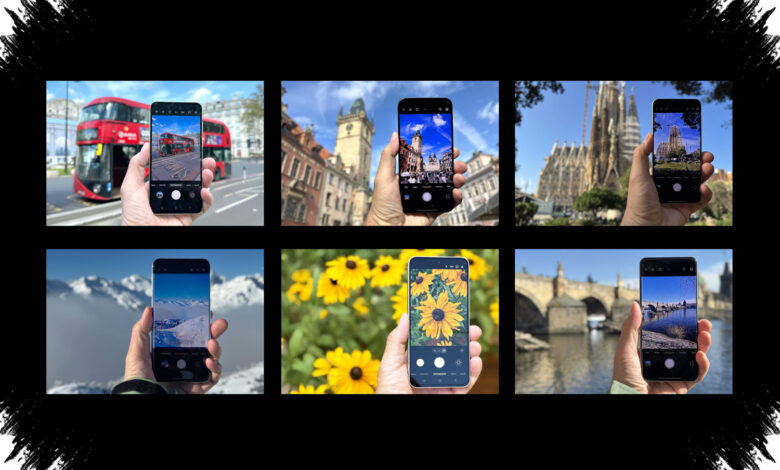
The Rp2 million smartphone segment is becoming far more competitive as brands push stronger camera systems into a price range that was once dominated by basic imaging hardware. For buyers, that means better-looking photos and videos are no longer reserved for more expensive phones.
In this crowded category, the most important factors now extend beyond megapixels alone. Camera tuning, AI features, video stabilization, and display quality are increasingly shaping which models stand out for everyday photography.
| Model | Main Focus | Key Appeal |
|---|---|---|
| Redmi Note 14 4G | High-resolution main camera with AI | AMOLED display, high refresh rate, good for viewing and light editing |
| Samsung Galaxy A17 5G | Improved camera and image processing | Sharper results in daylight and at night, long software support |
| realme C75 | AI Scene Recognition | Large battery, camera adjusts automatically to the subject |
| Infinix Note 50 | Night photography | High-resolution front camera, brighter low-light results |
| TECNO Camon 40 | Photography-focused | AI, portrait mode, improved video recording |
| vivo Y39 5G | Bright colors and detail | Suitable for social media and daily documentation |
| OPPO A5 Pro | Consistent color output | AI Portrait, appealing results without much editing |
| nubia Neo 3 | Gaming performance and camera | Versatile, good detail in sufficient light |
| itel RS4 | Economical specs above average | Capable camera, stable chipset for multitasking |
| POCO M7 Pro 5G | Performance and photography | AI Imaging Engine, AMOLED display, 5G support |
1. Redmi Note 14 4G is one of the most attention-grabbing names in the list. Its high-resolution main camera is supported by AI technology to help keep photos looking strong in different lighting conditions.
The device also includes an AMOLED display with a high refresh rate. That makes it more comfortable to review photos and videos, especially when doing light editing.
2. Samsung Galaxy A17 5G brings clear camera improvements over the previous generation. According to Samsung’s official specifications, better image processing helps photos look sharper in both daylight and low light.
Another selling point is its long operating system and security update support. For users looking for a phone that lasts, that can matter just as much as the camera itself.
3. realme C75 comes with AI Scene Recognition that automatically adjusts camera settings based on what is being photographed. This makes shooting easier, especially for users who want quick results without manual tuning.
The phone also carries a large battery, which adds practical value for all-day use. For active users, the combination of automatic camera handling and endurance is a strong advantage.
4. Infinix Note 50 stands out for its low-light photography focus. Based on official Infinix information, its improved night mode helps produce brighter images in dim conditions.
A high-resolution front camera also makes it appealing for selfies and video calls. In the Rp2 million class, that combination is notable for users who often rely on the front camera.
5. TECNO Camon 40 is clearly aimed at users who place photography first. The Camon series has long positioned imaging as a core strength, and the latest model adds improvements in AI, portrait mode, and video recording.
The result is said to be more natural and detailed images. For buyers who want a camera-focused phone without giving up too much else, this model deserves consideration.
6. vivo Y39 5G uses vivo’s familiar image processing approach to deliver bright colors and strong detail. Based on the company’s official specifications, its main camera is designed for social media use and everyday documentation.
That vivid color style is one reason many buyers continue to look at vivo models. In this price range, it remains a practical choice for users who want uploads that look ready with little editing.
7. OPPO A5 Pro is notable for consistent color reproduction. OPPO has long been known for mature image processing, and this device adds AI Portrait support along with image enhancement features.
With that approach, photos can look appealing without complicated editing. It fits users who value simplicity in daily use.
8. nubia Neo 3 takes a different path by combining gaming performance with camera capability. It is a fit for users who want a versatile smartphone rather than a device focused only on photography.
Its main camera can deliver good detail when lighting is sufficient. Even if imaging is not its sole priority, it still holds a useful position in this price class.
9. itel RS4 arrives as an economical option with specs that sit above the average for its class. Its main camera is adequate for daily documentation, while the chipset provides stable multitasking performance.
For buyers seeking a balanced mix of price, camera, and performance, it can be a straightforward choice. In a crowded market, that kind of value is often what matters most.
10. POCO M7 Pro 5G rounds out the list with a blend of performance and photography. According to POCO’s official specifications, it includes an AI Imaging Engine that helps images look sharper and cleaner with less noise.
The AMOLED display and 5G support make it even more appealing in the Rp2 million range. In the end, camera quality in this segment is not only about big megapixel numbers, but also sensor size, lens aperture, and software optimization that shape the final result.
That is why a lower-resolution phone is not always weaker than one with a larger number on the spec sheet. In many cases, image processing, automatic HDR, noise reduction, object recognition, and night mode make the bigger difference for users.