


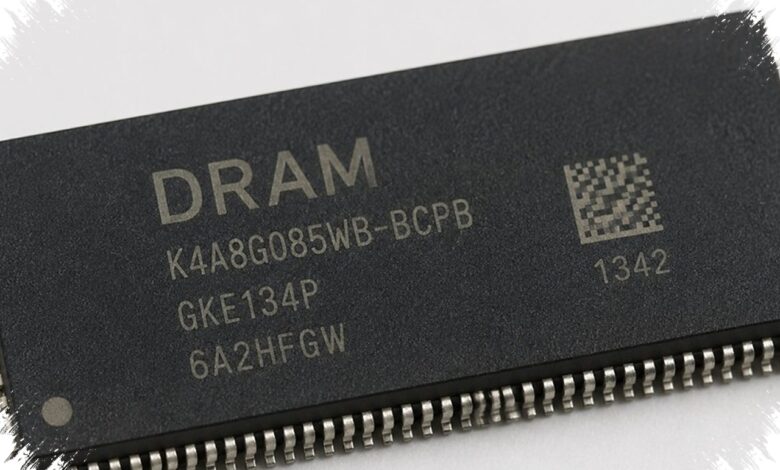
Apple is reportedly testing DRAM chips made by ChangXin Memory Technologies (CXMT), a move that could open a new supply route from China if the validation process advances further. For now, however, the company has not made any commercial decision about using the chips in actual products.
The testing phase matters because it is part of Apple’s technical validation process for suppliers. In other words, this is still a screening stage, not a confirmed commitment for consumer devices.
Why the most likely rollout may stay limited
Reports suggest the most plausible scenario is limited use in Apple devices sold in China. Products aimed at international markets are expected to continue relying on the company’s established memory partners.
That restriction is said to reflect geopolitical conditions and U.S. regulatory concerns. Apple is also reported to be lobbying several American technology companies to give regulators more room to consider products from the Chinese supplier.
| Aspect | Details | Current status |
|---|---|---|
| Company under test | ChangXin Memory Technologies (CXMT) | Technical validation |
| Component type | DRAM memory chip | Being evaluated |
| Potential use | Apple devices sold in China | Possible, not confirmed |
CXMT’s scale is growing, but the technical gap remains
CXMT is a government-backed DRAM maker in China and is now described as the world’s fourth-largest DRAM producer. It trails Samsung Electronics, SK hynix, and Micron Technology.
According to the figures cited in the report, CXMT accounts for about 11% of global DRAM wafer production capacity, with room to grow in the coming years. The company is said to be targeting roughly 15% of global DRAM capacity by 2028.
Even so, the company still faces technical challenges. One of the biggest is high-performance memory, including High Bandwidth Memory, or HBM, which is widely used in artificial intelligence applications.
What it could mean for Apple and the memory market
If Apple eventually approves CXMT chips, the decision would mark a notable shift in its supply-chain strategy. The company has long depended on major memory suppliers such as Samsung, SK hynix, and Micron to support its devices.
Adding a new supplier could help diversify supply, but any rollout is expected to be gradual and limited to selected markets. Apple has not publicly commented on the testing report.
Analysts also believe that extra supply from CXMT is unlikely to push down global memory prices in the near term. Much of the company’s production capacity is already absorbed by rising demand, which keeps available supply relatively tight.
CXMT is also under scrutiny in the United States. The company was previously placed on a watch list by the U.S. Department of Defense over alleged ties to China’s military modernization, so any deeper cooperation with Apple could attract broader attention.
For now, the only firm point is that Apple is said to be testing CXMT’s DRAM chips, while no official decision has been announced on whether they will be used in the company’s products. Until that changes, the plan remains a technical evaluation rather than a commercial agreement.