


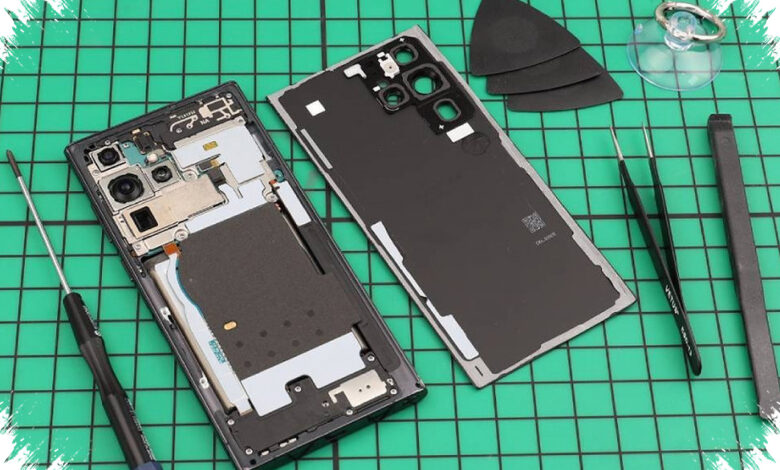
Smartphone repair costs may come under pressure soon if global electronic component and raw material prices keep climbing. A recent move in South Korea suggests the trend is already affecting major manufacturers.
Samsung Electronics has raised the price of smartphone repair materials in South Korea by an average of about 5 percent. The adjustment signals how global cost pressure is beginning to filter into after-sales services, not just device production.
Parts Cost More, Service Fees Follow
According to The Chosun, the average cost of materials used for smartphone repairs at Samsung service centers in South Korea rose by 5 percent. As a result, total repair bills increased by around 11,000 won, or roughly Rp130 ribuan at current exchange rates.
Samsung said the change was not driven by labor costs or technician service charges. Instead, higher material prices made a tariff adjustment unavoidable.
| Repair Cost Component | Share of Service | Impact of the Increase |
|---|---|---|
| Spare parts | Around 80% | Main driver of the higher total repair cost |
| Technician labor and service | Around 20% | Stayed unchanged |
Spare Parts Remain the Biggest Pressure Point
About 80 percent of smartphone repair expenses come from replacement parts, while labor and after-sales service account for only around 20 percent of the total. That makes any rise in component prices much more visible in the final bill.
The same cost pressure has also affected Samsung home appliances in South Korea, where repair material prices reportedly rose by an average of about 9 percent. The pattern shows that higher material costs are not limited to mobile devices alone.
AI Demand Is Not the Only Factor
Memory prices have attracted attention because of strong demand from the artificial intelligence industry. Even so, the report says the main trigger for higher smartphone repair costs is broader industrial raw material inflation.
Commodities such as copper and gold, both widely used in electronic components, have also risen amid supply-chain disruptions and geopolitical instability in several regions, including the Middle East. One manufacturer cited by South Korea’s Ministry of SMEs and Startups said raw material prices jumped by about 60 percent in the first half of the year because supply was limited.
Indonesia Is Still Safe, But The Pressure Is Real
There is no sign yet that Samsung Indonesia or other smartphone makers will raise repair tariffs in the near term. However, the smartphone supply chain is global, so cost pressure in one market can eventually spread to others.
Many key parts, from screens and camera modules to batteries and other internal components, still depend on global supply lines. If production costs continue rising over the next few years, users in Indonesia may also face higher repair prices.
For consumers, the situation is a reminder to keep devices in good condition. The better a smartphone is maintained, the lower the chance of facing a more expensive repair bill later.