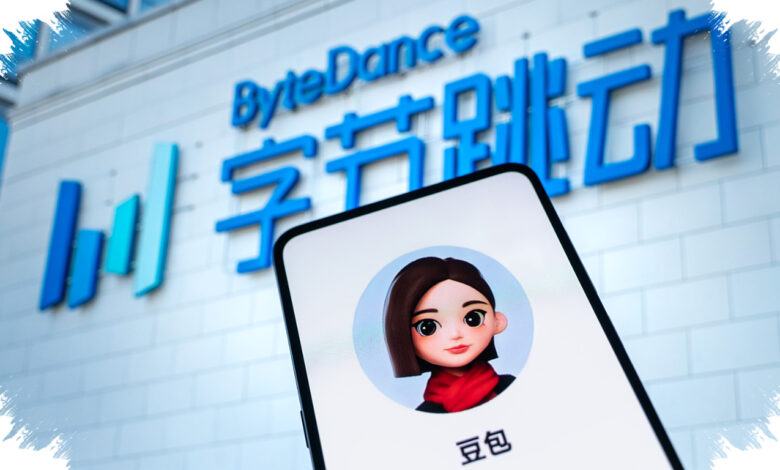
Doubao users have lost virtual characters they created after ByteDance disabled the service’s custom persona feature. The tool had allowed people to shape AI characters with selected personalities, backgrounds, speaking styles, and responses.
For some users, the disappearance was more than the removal of a product feature. Social media reactions in China included people saying they had lost close friends, while others said they cried after their digital characters became inaccessible.
The change followed new rules that China put into effect on July 15, 2026. The regulations restrict emotional relationships between users and AI chatbots, particularly where children and teenagers are concerned.
Rules focus on emotional dependence
Chinese authorities are concerned that highly intensive relationships with AI companions could displace real-world human connections. The rules aim to prevent services from being designed to make users emotionally dependent on a chatbot.
The restrictions do not amount to a blanket ban on chatbot services. Customer service tools and other business-focused uses remain outside the stated limits.
| Regulatory Focus | Stated Requirement |
|---|---|
| Underage users | Virtual emotional relationships are prohibited |
| Dependency-promoting services | Chatbots must not be designed to create emotional addiction |
| Public companion chatbots | Regulatory review is required before release |
| Services judged unsafe | Regulators may halt their operation |
Companies can still use chatbots to answer questions about products and services. What is restricted is the ability to market an AI system as a user’s virtual romantic partner.
Doubao’s feature removal shows the immediate effect
Doubao had been used to create a range of characters, from virtual boyfriends and girlfriends to friends and mentors. Users reportedly did not always have time to save or document the characters they had developed before the feature was shut down.
The reaction illustrates how AI companions can become part of a user’s routines and emotional life. Although the relationship exists entirely through an app, the loss of access can still feel personal to users who relied on those interactions.
Kompas Tekno, citing The Wall Street Journal, reported that Doubao remains available for practical functions. The limitation concerns its role as a virtual partner rather than its broader ability to assist users.
Demographic concerns form part of the backdrop
China’s scrutiny of AI companionship comes amid mounting demographic pressure. Its population declined for a fourth consecutive year in 2025, while births fell to a record low.
India has now replaced China as the world’s most populous country. Chinese leaders are concerned that younger people’s reluctance to marry and have children could extend the population decline.
AI companions have drawn attention because they can offer relationships that feel easy and constantly available. A documentary filmmaker said some Chinese women choose AI companions because “men in the real world don’t have the patience” of chatbots.
The final rules are reportedly less strict than an earlier draft. Jeremy Daum of Yale Law School’s Paul Tsai China Center described the July 15 rules as “much softened” compared with the previous proposal.