


A car that suddenly pulls left or right when the brake pedal is pressed should not be treated as a normal driving trait. The condition can reduce the driver’s ability to hold a straight line, especially when speed is being reduced.
The concern becomes greater in dense traffic, at higher speeds, or on less-than-ideal road surfaces. Uneven braking force between the left and right wheels is a common reason a vehicle moves toward one side.
Braking Components Can Create an Imbalance
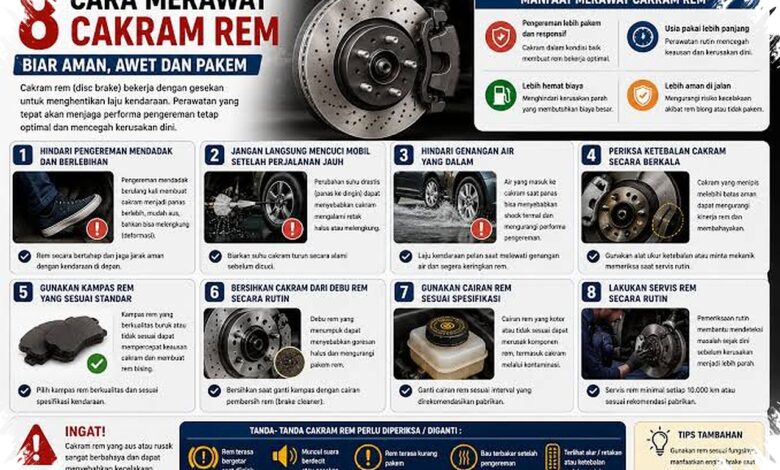
The caliper presses the brake pads against the disc when the driver applies the pedal. A sticking caliper or one that does not operate properly can make braking pressure stronger on the opposite side.
Unevenly worn brake pads can also produce different levels of grip at each wheel. This changes brake-force distribution and can make the vehicle harder to keep straight.
Warped or worn brake discs may cause inconsistent braking because the pads cannot grip the surface evenly. The result can be a loss of stability during deceleration.
The Brake System should be checked through the condition of the pads, discs, calipers, and brake fluid. A damaged caliper may need cleaning, repair, or replacement depending on the extent of the problem.
| Component | Effect During Braking | Recommended Action |
|---|---|---|
| Brake caliper | Uneven braking pressure | Clean, repair, or replace as needed |
| Brake pads and discs | Different grip between wheels | Inspect wear and disc surface condition |
| Tire pressure | Vehicle may pull toward the lower-pressure tire | Set pressure to the manufacturer recommendation |
| Suspension components | Wheel direction becomes unstable under braking load | Check play and replace worn parts |
Tires and Wheel Angles Also Matter
Different Tire Pressure readings between the left and right sides can trigger a pulling sensation under braking. A tire with lower pressure has greater rolling resistance, which can draw the vehicle toward that side as it slows.
All tires should be checked regularly and inflated according to the manufacturer’s recommendation. Correct pressure supports grip and helps preserve vehicle stability.
Wheel Alignment and balancing issues can make the pulling symptom more noticeable. Wheel angles may change after repeated impacts with potholes or speed bumps taken at high speed.
Once the wheel position is no longer precise, the vehicle may struggle to maintain a straight path. The effect can increase under braking because vehicle weight shifts toward the front.
Worn Suspension Parts Can Shift Wheel Direction
Tie rods, rack ends, ball joints, and arm bushings help maintain wheel position and stability. Wear or looseness in one of these parts can allow wheel direction to change when braking loads rise.
Weak shock absorbers also deserve attention because they affect how vehicle weight is distributed. Uneven damping can cause an unequal weight transfer and contribute to a directional change.
Tire tread condition is another factor in braking stability. A tire worn more heavily on one side may lose grip on the road as the vehicle decelerates.
A suspension inspection can be combined with checks of wheel angles after road impacts or frequent travel on damaged roads. Worn components should be replaced with quality parts to restore stable wheel positioning.
Regular servicing can identify smaller faults before they develop into broader braking or handling problems. Drivers should also avoid sudden braking at high speed, overloading the vehicle, and using tires with incorrect pressure.