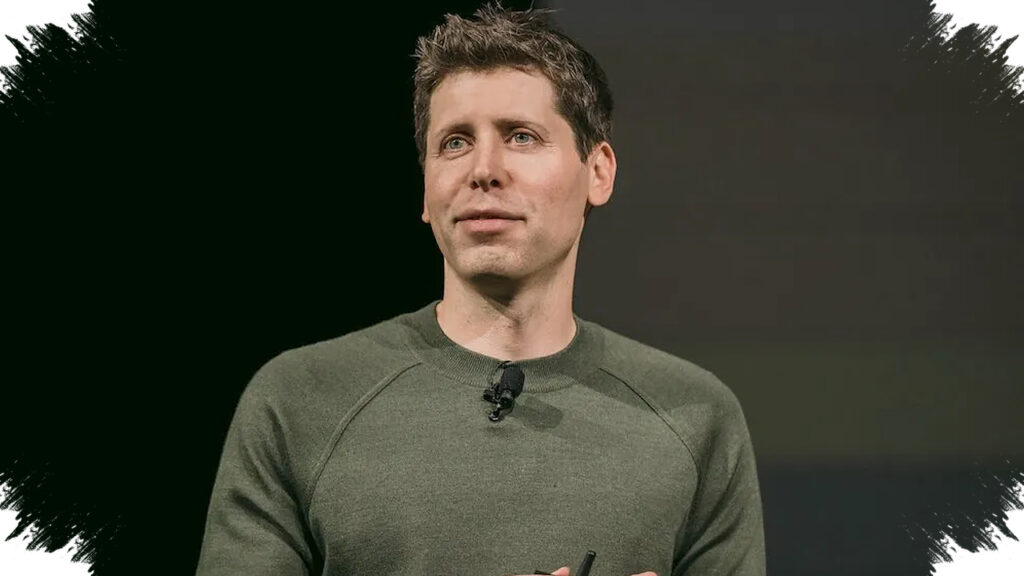
A molotov attack at Sam Altman’s home has pushed the OpenAI chief back into the spotlight, but not only because of the security threat. In a new public response, Altman also apologized for past mistakes and said that public fear of AI is understandable and should not be dismissed.
The incident raised concerns far beyond one executive’s private safety. It also reopened debate about OpenAI, the pressure surrounding frontline AI leadership, and the growing unease many people feel as artificial intelligence moves deeper into daily life.
What happened at Sam Altman’s home
According to the reference report, a 20-year-old man threw a molotov cocktail at Altman’s property and fire broke out near an outer gate. Police later arrested the suspect about an hour after the attack, near OpenAI’s headquarters, where he was allegedly threatening to burn the building.
Authorities have not publicly named the suspect, and investigators have not confirmed a motive. That leaves open questions about whether the attack was aimed at Altman personally, OpenAI as a company, or something else entirely.
OpenAI confirmed the incident through a spokesperson and thanked police for responding quickly. The company said it appreciated the support given to its employees as the investigation continued.
A security scare that follows earlier threats
This was not the first time OpenAI has dealt with a safety threat. The company’s headquarters had previously been closed temporarily after a separate incident involving a man who threatened to go to multiple OpenAI offices in San Francisco and kill people.
That history adds context to the latest attack and shows why threats around major AI companies are now being treated as serious security issues. As public attention grows around AI, the personal risk surrounding executives has also become more visible.
Altman responds with apology and self-criticism
Altman addressed the attack in a blog post and described it in personal terms. He shared a photo of his husband and child, writing that the post was meant “in hopes of preventing the next person from throwing a molotov cocktail at our house, regardless of what they think of me.”
The tone of the message was unusually direct and emotional. It made clear that the attack affected not only a public figure, but also his family.
Altman also reacted to a New Yorker investigative piece that included claims about deception, manipulation, and conflict avoidance. He called the article “incendiary” and said he had underestimated how powerful words and narratives can be.
What Altman admitted about past mistakes
Altman did not simply reject the criticism. He said his tendency to avoid conflict had created problems for both himself and the company, and he acknowledged that his handling of the major dispute with OpenAI’s former board was poor.
He also described himself as flawed and said he had made many mistakes that affected the company and people around him. One of his strongest statements was an apology to those he had hurt, saying that he hoped to learn faster and more deeply from those experiences.
That admission matters because it comes at a time when OpenAI remains under intense scrutiny over leadership, governance, and the direction of advanced AI development.
Why Altman says fear of AI is reasonable
One of the most important parts of Altman’s response was his statement that fear of AI is legitimate. He said society is going through one of the biggest changes in a very long time, and possibly the biggest in history.
He argued that AI safety cannot be solved only by making systems behave well. Society, he said, also needs policy changes that help people prepare for the risks that come with such fast-moving technology.
That view aligns with global concerns about job disruption, misinformation, privacy, safety, and the concentration of power among a few large technology firms. Regulators in several countries have already moved toward stricter oversight of advanced AI models, especially around transparency and accountability.
Key points from Altman’s latest response
- He condemned the violent attack on his home and family.
- He admitted mistakes in handling internal conflict.
- He apologized to people who were hurt by his actions.
- He said public fear of AI is valid and should be taken seriously.
- He called for new policies to help society adapt to AI’s impact.
The latest response marks a more open and self-critical tone from one of the most influential figures in artificial intelligence. While the investigation into the molotov attack continues, attention now also rests on how Altman and OpenAI handle public trust, personal security, and the growing pressure around the future of AI.