

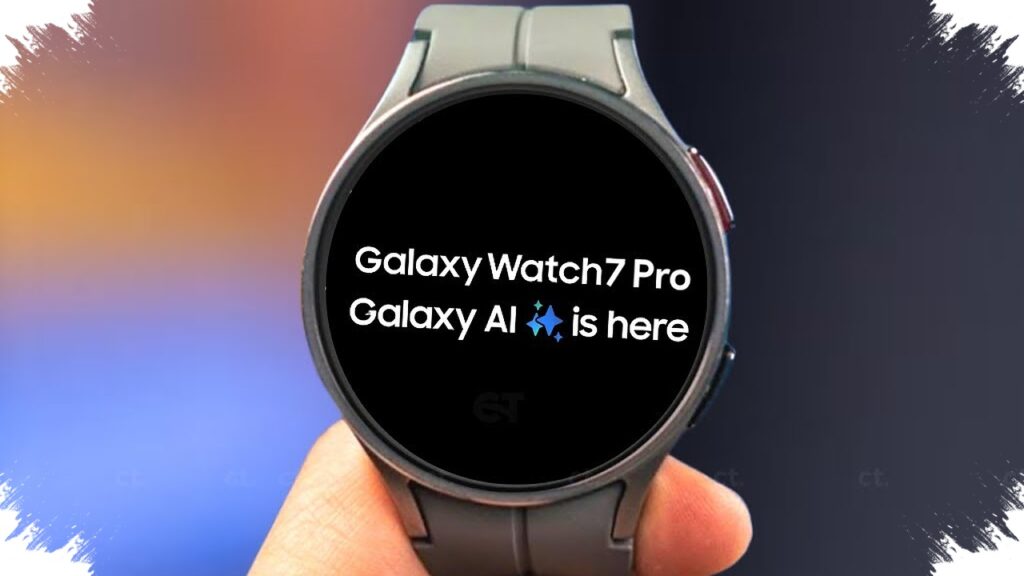
Samsung Galaxy Watch 7 has officially arrived, and Samsung is placing health at the center of the experience. The new smartwatch uses Galaxy AI to turn raw body data into more useful insights, positioning the device as a proactive health assistant rather than a simple wearable accessory.
This shift reflects a broader trend in the smartwatch market, where users now expect deeper health tracking, smarter analysis, and faster alerts. For Galaxy users looking for a watch that can monitor daily wellness with more context, the Galaxy Watch 7 stands out as one of Samsung’s most important launches this year.
Galaxy AI Becomes the Main Differentiator
Samsung’s main upgrade for the Galaxy Watch 7 is not just a faster chip or a brighter display. The bigger story is Galaxy AI, which helps interpret health data instead of only displaying numbers on a screen.
That matters because many users can see heart rate, sleep scores, or stress levels, but often do not know what those numbers mean in daily life. By processing the data into clearer patterns and recommendations, the watch aims to make health information more actionable.
Samsung has also been expanding AI across its device ecosystem, and the watch now plays a larger role in that strategy. On the wrist, AI is used to support preventive health tracking by identifying changes earlier and making the results easier to understand.
Focused on Everyday Health Monitoring
The Galaxy Watch 7 continues Samsung’s focus on the core health features that matter most to active users. It can monitor heart rate, sleep quality, and stress levels throughout the day, which places it in line with the expectations of a premium smartwatch.
According to the reference article from RadarMadura.id, the new-generation sensors are claimed to be more accurate than the previous model. That detail is important because AI-based analysis depends heavily on the quality of the data collected from the body.
For daily use, this kind of monitoring is especially relevant for office workers, regular exercisers, and people who want to build healthier routines. Instead of only showing momentary readings, the watch can help users understand trends over time.
Key Features Tied to Health and Performance
The Galaxy Watch 7 highlights several improvements that support its role as a health-focused wearable. These features are designed to make the watch useful both as a fitness companion and as a daily health monitor.
- Galaxy AI for more personalized health analysis.
- Continuous heart rate, sleep, and stress monitoring.
- New sensors claimed to be more accurate than before.
- Alerts when certain health patterns are detected.
- A newer chipset for smoother performance.
- Improved battery efficiency for longer use.
- Tighter integration with the Galaxy ecosystem.
This combination shows that Samsung is not relying on design alone. The company is also strengthening the technical foundation so the watch can keep up with all-day monitoring and frequent use.
A Smartwatch Built for Daily Wear
Samsung keeps the familiar modern look that has become associated with the Galaxy Watch line. The design remains ergonomic, making it comfortable to wear throughout the day, including during sleep and exercise.
The sharp display also improves usability in fast-moving situations. Important information can be checked at a glance, which is one of the most important requirements for wearable devices.
While design still matters, the main value of the Galaxy Watch 7 now comes from its deeper health functions. The watch is clearly aimed at users who want more than notifications and step counting.
Performance and Battery Life Get Attention
Samsung has also improved the internal hardware with a newer chipset. Based on the reference article, this helps make navigation between features feel faster and smoother.
That matters because modern smartwatches do many things at once. They track health, deliver notifications, sync apps, and stay connected to other devices, so system responsiveness becomes a key part of the user experience.
Battery life is another area that gets attention. Better power efficiency is important for people who rely on continuous health tracking and do not want to recharge the device too often.
Better Connected to the Galaxy Ecosystem
The Galaxy Watch 7 is also designed to work more closely with other Galaxy devices. This makes it easier to sync health data, activity records, and settings across the ecosystem.
For users who already own a Samsung phone or tablet, that integration creates a more seamless experience. Health readings from the watch can become part of a larger digital routine, making daily monitoring more practical and more connected.
The launch of the Galaxy Watch 7 shows how quickly the wearable market is evolving. Smartwatches are no longer positioned only as notification tools or step counters, but as devices that can read body signals, recognize health patterns, and support users with timely warnings that fit into everyday life.