


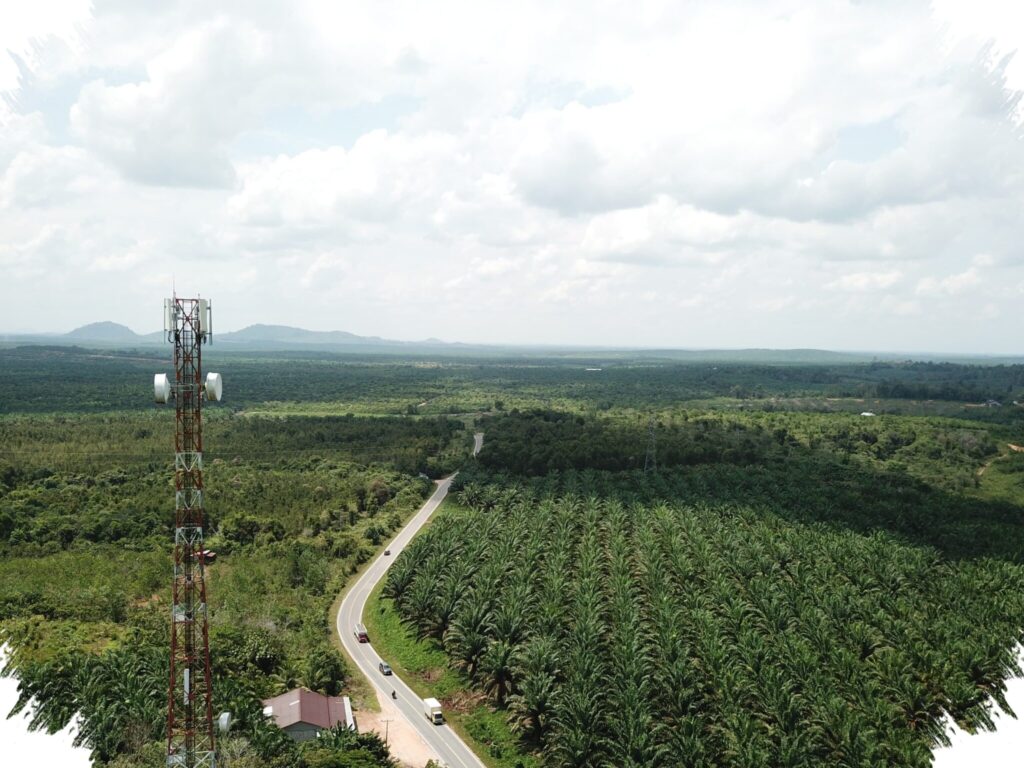
Telkomsel has expanded its partnership with ZTE to accelerate AI-driven network development and widen digital connectivity across Indonesia. The agreement, signed at MWC Barcelona, focuses on smarter mobile infrastructure that can serve customers, industry users, and communities in remote areas more effectively.
The move comes as Indonesia’s internet demand keeps rising and network expectations become more complex. Telkomsel and ZTE are now targeting a network model that is not only faster, but also more adaptive, efficient, and capable of reaching areas that still face coverage gaps.
Three strategic priorities in the collaboration
The partnership is built around three main development tracks. Each one addresses a different layer of Indonesia’s digital infrastructure and aims to improve network quality while expanding access.
- AI-native Radio Access Network (RAN) development
- Expansion of Edge User Plane Function (UPF) for stronger broadband
- AI-based enterprise solutions for business use cases
The first track centers on testing AI-native RAN technology to improve how 5G networks respond to user conditions in real time. One of the tools under review is AIREngine on the BBU V9200 platform, which is designed to help improve service quality based on customer experience.
This approach matters because data traffic in Indonesia continues to grow and user behavior changes quickly. A network that can adjust capacity and service quality automatically is more likely to deliver a stable experience during peak demand.
Why edge computing matters for wider coverage
The second track focuses on Edge UPF, which plays an important role in extending broadband access, especially in remote or less-developed areas. By processing data closer to the user, edge technology can help reduce latency and improve efficiency.
That advantage is important in regions where infrastructure remains uneven. When data processing happens nearer to the endpoint, internet services can become more consistent and responsive, even in locations that have long struggled with reliable connectivity.
The expected benefits can be summarized as follows:
| Technology focus | Expected benefit |
|---|---|
| Data processing closer to users | Lower latency |
| More efficient traffic handling | More stable connections |
| Support for remote regions | Wider broadband access |
Enterprise use cases add a business layer
The third track is aimed at the enterprise market through AI use cases that can be tested and refined with industry partners. Telkomsel and ZTE plan to work directly with businesses to build solutions that match practical needs.
This shows the collaboration is not limited to consumer connectivity. It also opens room for AI adoption in business operations, service management, and product innovation across sectors that depend on stronger digital infrastructure.
Telkomsel’s Director of Planning & Transformation, Wong Soon Nam, said the collaboration reflects the company’s commitment to improving service reliability and expanding inclusive broadband access. He said integrating AI-based intelligent network capabilities can unlock new opportunities for customers and industries across Indonesia.
ZTE Indonesia President Director Richard Liang also said Indonesia’s digital transformation is gaining momentum. He emphasized the company’s commitment to delivering a smarter and more adaptive network that can answer the needs of both users and industry.
Why the partnership matters for Indonesia’s digital map
The alliance arrives at a time when Indonesia needs more than just faster internet. The larger challenge is delivering consistent service and extending coverage to regions that still do not enjoy optimal connectivity.
By combining AI, 5G, and edge computing, Telkomsel and ZTE are aiming to build a network that can better handle modern traffic demands. If the rollout works as planned, the partnership could become a practical example of how infrastructure innovation supports broader digital inclusion without sacrificing service quality.
The broader impact can be seen in three areas:
- Better user experience through smarter network operations
- More inclusive connectivity for underserved regions
- Stronger network readiness for Indonesia’s digital economy growth
The collaboration also reflects a wider industry shift, where telecom operators increasingly use AI not only to optimize performance but also to reach markets that have historically been difficult to serve. As Indonesia continues to expand its digital footprint, partnerships like this may shape how fast and how fairly internet access improves across the archipelago.