


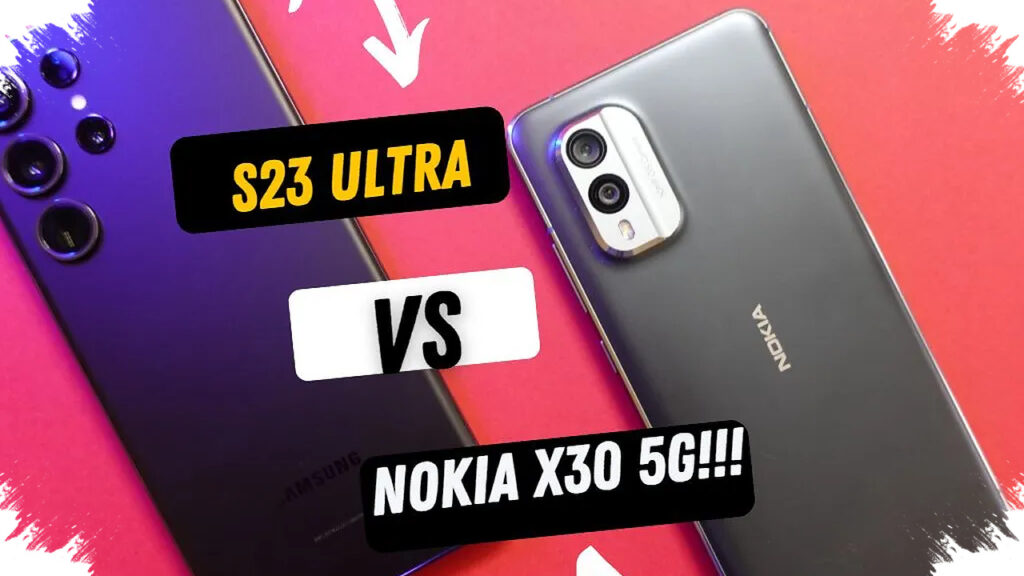
Samsung S23 Ultra and Nokia X30 5G create an interesting camera comparison because they represent two very different classes of smartphones. The flagship Samsung brings top-tier hardware and advanced image processing, while the Nokia mid-range phone relies on a more restrained, natural approach that still manages to stay competitive in several everyday scenes.
For many buyers, the key question is not just which phone has the stronger spec sheet, but which one produces better photos in real use. In this matchup, the answer changes depending on lighting, but the night test clearly gives Samsung the bigger advantage.
Outdoor Shots: Samsung Looks Sharper, Nokia Looks More Natural
In bright daylight, the Samsung S23 Ultra delivers the more striking image. Photos appear sharper, more vivid, and more polished, which helps the phone stand out immediately in side-by-side comparisons.
The Nokia X30 5G takes a different route and keeps colors closer to real life. That makes its photos feel calmer and less processed, which may appeal to users who prefer a realistic look over a highly enhanced one.
Ultrawide Performance Favors Samsung
The ultrawide camera is another area where the Samsung S23 Ultra shows its class. Dynamic range remains strong, so bright skies and darker shadows stay balanced instead of losing detail too quickly.
The Nokia X30 5G still produces usable ultrawide images, but the edge detail is slightly softer. Colors also appear a bit less lively than on the main camera, which makes the overall result less consistent.
Night Mode Is Where the Gap Widens
Low-light photography is often the hardest test for any smartphone camera. In this area, the Samsung S23 Ultra pulls ahead with brighter images, cleaner shadows, and very little visible noise.
The phone also handles city lights well, with less flare and better control over bright spots. The Nokia X30 5G still keeps the night atmosphere intact through its PureView tuning, but it cannot match Samsung’s brightness, sharpness, and processing depth.
What the Results Show
Here is a simple breakdown of how both phones perform across key categories:
| Category | Samsung S23 Ultra | Nokia X30 5G |
|---|---|---|
| Daylight detail | Stronger | Good |
| Color style | More vivid | More natural |
| Ultrawide consistency | Better | Decent |
| Low-light performance | Excellent | Solid |
| Overall camera output | More advanced | More restrained |
This comparison shows that Samsung leads in almost every technical area, especially when the light gets difficult. Nokia, however, still offers a believable and balanced photo style that may fit users who do not want aggressive image processing.
Why Nokia X30 5G Still Has a Hidden Strength
The Nokia X30 5G’s biggest advantage is not raw camera power, but its natural output. In a market full of phones that oversaturate scenes and over-sharpen images, Nokia’s cleaner rendering may feel more comfortable for users who want photos that look closer to what the eye actually sees.
That approach is supported by the phone’s broader positioning as a more practical mid-range device. Its camera does not try to compete with every flagship feature, but it remains strong enough for daily use, social sharing, and casual shooting without excessive editing.
Who Should Choose Which Phone?
- Choose the Samsung S23 Ultra if camera quality is the top priority.
- Choose the Samsung S23 Ultra if low-light and night shots matter most.
- Choose the Nokia X30 5G if natural color reproduction is preferred.
- Choose the Nokia X30 5G if a reliable mid-range experience is enough.
- Choose the Nokia X30 5G if a softer, more understated photo style feels more appealing.
The final camera outcome makes the Samsung S23 Ultra the clear winner in technical performance, especially at night. Still, the Nokia X30 5G keeps a valuable secret weapon in its more natural image style, and that can matter just as much for users who value realism over dramatic processing.