


Mitsubishi’s L300 Reborn has remained a familiar name in Indonesia’s light commercial vehicle segment because it continues to target one of the market’s most practical priorities: work utility. With pricing that starts at around Rp246 jutaan and can reach roughly Rp290 jutaan depending on variant and body type, the model stays within a range that many business users still consider workable for fleet purchases and daily operations.
That pricing position matters because commercial buyers usually focus on initial capital, operating efficiency, and payload performance rather than styling alone. In that context, the L300 Reborn 2026 remains relevant for small and medium businesses that need a work vehicle with a proven reputation and a purchase cost that does not feel excessive for operational needs.
A stronger engine is the main update
The most important change sits under the hood, where Mitsubishi now uses a 2,268 cc diesel engine with a more modern setup than the previous generation. The upgrade is described as delivering about 40 percent more power, a significant gain for a vehicle that often carries heavy loads and works across different road conditions.
For commercial use, that kind of improvement can have a direct impact on productivity. Better output helps when the vehicle is used for local logistics, goods distribution, or other daily business tasks that demand consistent performance rather than just basic transportation.
Built to carry more in one trip
Mitsubishi also revised the cargo bed to make it longer, giving the L300 Reborn more room for goods. For business owners, this is one of the most practical changes because higher load capacity can reduce the number of trips needed for a given workload.
That matters in real-world operations, where time, fuel use, and trip frequency all affect efficiency. A larger bed does not only expand what can be carried; it also supports a more productive daily routine for users who rely on the vehicle to move goods repeatedly throughout the day.
Familiar shape, fresher details
Even with the updates, Mitsubishi did not move far away from the L300’s well-known boxy profile. The familiar shape remains intact, which helps preserve the identity that has long made the model recognizable in Indonesia’s commercial vehicle market.
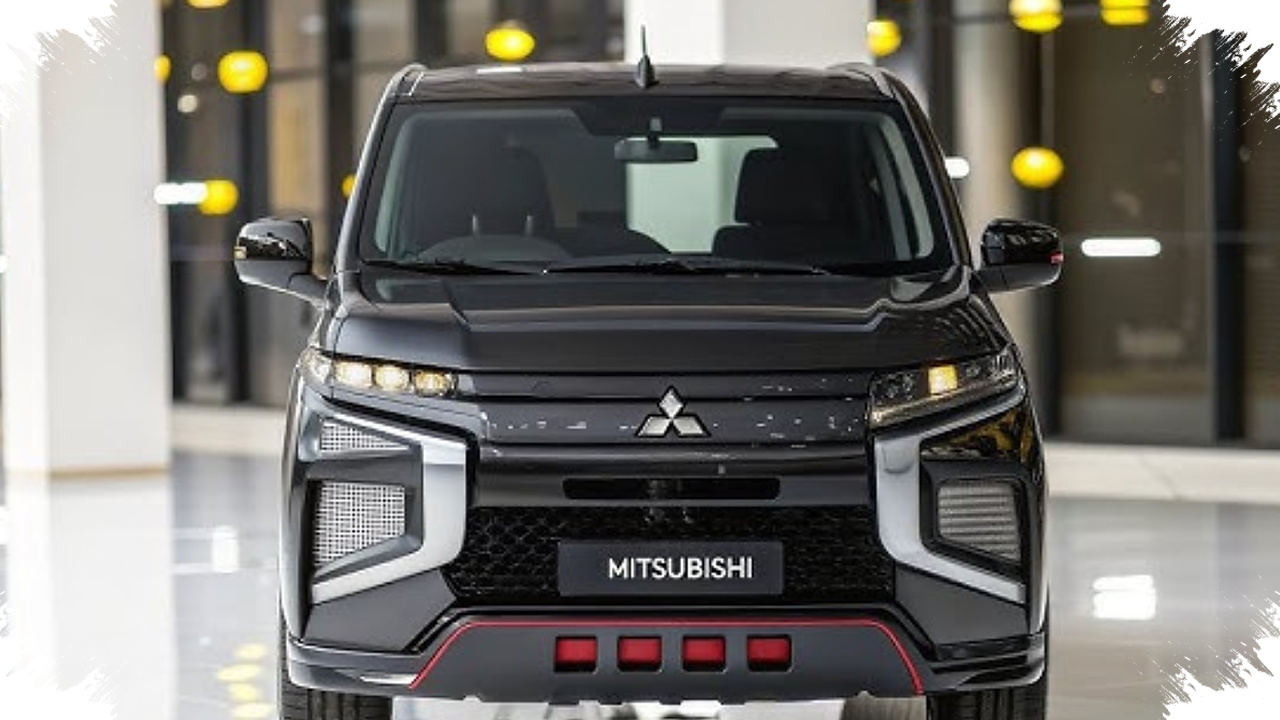
The refresh appears in the front grille and lighting system, giving the vehicle a more modern look without erasing its traditional character. That balance is important in the business segment, where many buyers value a model that feels proven while still showing some visual progression.
Cabin changes aim at daily usability
Inside, the cabin receives attention through a more ergonomic layout and simple entertainment features. Those changes may not be the headline attraction for a work vehicle, but they still matter for drivers who spend long hours behind the wheel.
Comfort in a commercial vehicle often becomes noticeable over time, especially when the vehicle is used continuously during busy workdays. By improving the cab environment, Mitsubishi appears to be addressing the practical side of ownership beyond hauling ability alone.
The L300 Reborn 2026 therefore keeps its core formula intact while adding updates that are directly tied to business needs, from stronger performance to a longer cargo bed and a cabin that is more manageable for everyday work. With a starting price of around Rp246 jutaan, it remains positioned as a commercial vehicle that continues to hold a strong place in Indonesia’s business scene.