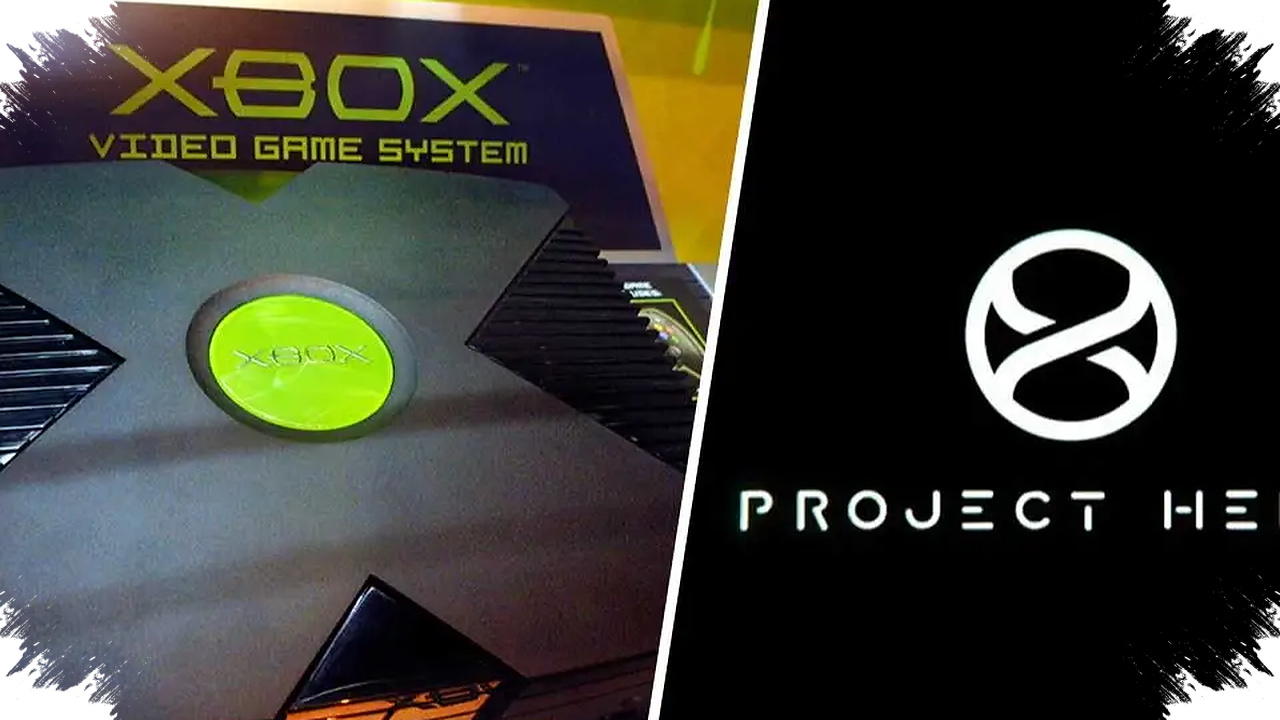
Project Helix is shaping up to be more than just another Xbox hardware refresh. The next-generation system is being positioned as a hybrid device that tries to bridge the gap between PC and console, and that direction could matter as much to developers as it does to players.
That design choice may also be the reason the platform is attracting so much attention. If the current reports prove accurate, Project Helix could reduce some of the pain involved in game porting, because its architecture is said to be closer to a PC environment than a conventional console setup.
Microsoft has already confirmed that it is working with AMD on the next-generation device, and it has also said the performance jump will be exponential compared with the current generation. Even so, the company has not revealed the full hardware picture yet, leaving room for leaks to fill in the gaps.

One of the most notable claims comes from leaker KeplerL2 on the NeoGaf forum. According to that report, the GPU in Project Helix has no custom modifications at all, which is a major detail in a market where console chips are usually tailored to match the device’s needs.
That distinction matters because custom CPU and GPU designs have long helped consoles deliver efficient optimization. At the same time, that same tailoring often forces studios to spend more time adjusting a game for separate PC and console versions.
If the GPU really is left uncustomized, the technical distance between the console and PC ecosystems could shrink. For studios, that would likely make it easier to bring PC-built games over to a system like Project Helix without as many deep structural changes.
The result would not make development effortless, but it could soften several parts of the process. Code adaptation, testing, and cross-device optimization may all become more manageable if the hardware behaves more like a familiar PC platform.
That possibility is especially relevant at a time when many studios launch on multiple platforms at once. The closer a console gets to PC-like behavior, the less rework may be needed on the core technology behind a game.
A More Complex Picture Than a Simple PC Part Swap
The GPU rumor also sparked speculation that Project Helix might simply be using a desktop or laptop graphics part directly. Newer information suggests the situation is more complicated than that.
Project Helix is said to use the AMD Magnus APU, built on TSMC N3C or N3P. Based on that leak, the device is not just a matter of dropping a PC component into a console shell.
The same information points to a 144 mm² SoC die handling the CPU cores, NPU, and main I/O components. That portion is reportedly produced on TSMC N3P, while the graphics side is separated into its own die.
The GPU die is said to measure 264 mm² and to handle graphics logic as well as additional memory controllers. It is also reported to use TSMC N3C or N3P, which reinforces the idea that the hardware is being built as a custom package rather than borrowed wholesale from an off-the-shelf PC design.
The leaked graphics configuration is also described as unusually strong for a consumer device. It is said to include 70 RDNA 5 compute units, with 68 active units in the final retail configuration.
Why the Hybrid Approach Stands Out
Microsoft’s hybrid concept is trying to bring together two hardware worlds that have traditionally worked very differently. Consoles tend to rely on closed, tightly optimized systems, while PCs are known for flexibility and openness.
If Project Helix lands somewhere between those two models, the benefits may extend beyond raw performance. Developers could gain a platform that is easier to test, easier to optimize for, and easier to support across multiple release targets.
That would also be a practical advantage during production. Studios would not need to rebuild as much of a game’s technical behavior just to fit hardware that is supposed to perform a similar role but in a very different environment.
For now, though, most of the more specific technical details still come from leaks rather than official confirmation. Microsoft has confirmed the Project Helix name, its AMD partnership, and its hybrid direction, but final retail specs remain unannounced.
Until more details arrive, the main point is already clear. Project Helix is being discussed not only as a performance upgrade, but also as an Xbox system that could make the path from PC to console less demanding for game developers.
Source: www.notebookcheck.net