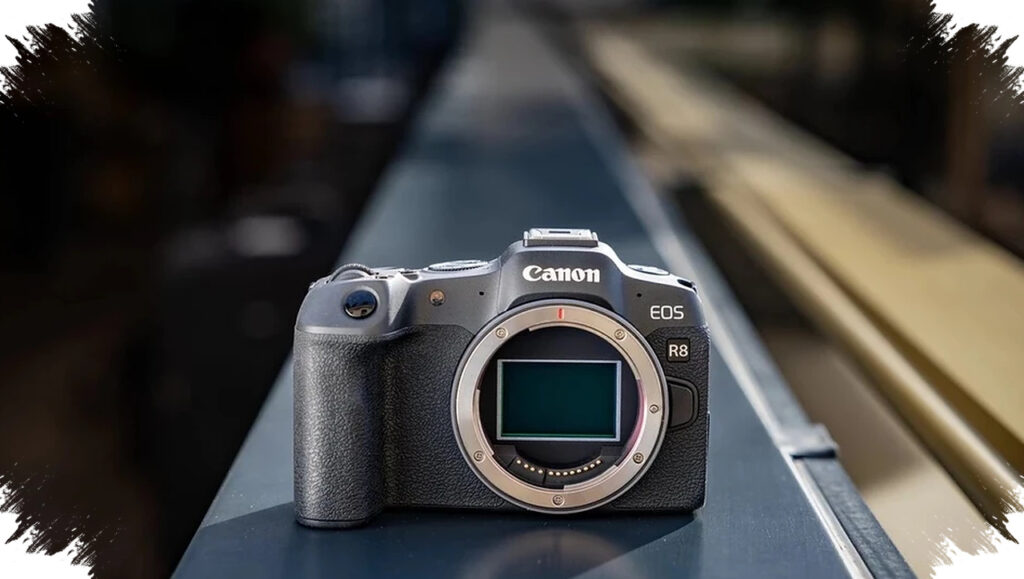
Canon is reportedly preparing the EOS R8 Mark II as the direct successor to the EOS R8, and the new model may arrive with a much bolder identity than its predecessor. Early reports suggest that Canon is exploring a retro direction inspired by the AE-1, a move that could reshape how the EOS R line looks and feels.
The strongest detail from the current rumor cycle is not a spec sheet, but a design shift. According to CanonRumors, as cited by Notebookcheck, the EOS R8 Mark II is being developed with a body concept tied to the 50th anniversary of the Canon AE-1, which remains one of the company’s most influential film cameras.
A retro body with a specific reference point
The AE-1 is not being mentioned as a loose nostalgic cue. Instead, the reports point to it as the key inspiration behind the new camera’s styling direction, with Canon said to be revisiting a design language that feels closer to a classic film body than to a typical modern mirrorless camera.
If that approach makes it into the final product, the EOS R8 Mark II could look noticeably more angular and more deliberate in its layout. The rumored shape also includes a smaller grip and a different handling concept, suggesting that Canon may be willing to alter the camera’s physical feel as part of the redesign.
More than a routine replacement
The EOS R8 Mark II is described as the direct follow-up to the current EOS R8, which has now been on the market for more than three years. That makes the timing of a successor easier to understand, especially if Canon wants to refresh one of its more compact full-frame bodies with a new visual identity.
What makes the rumor stand out is that this does not sound like a simple update to an existing formula. The reports indicate that the body is being redesigned from the ground up rather than receiving minor changes, which could make the R8 Mark II one of the most visually distinct cameras in the EOS R family.
For a lineup that often shares familiar mirrorless styling, a retro-inspired model would help Canon separate the R8 Mark II from other compact full-frame options. It could also make the camera more recognizable at a glance, which matters in a market where many bodies follow similar design cues.
Why the AE-1 link matters
The AE-1 carries significant historical weight inside Canon’s catalog. Introduced in 1976, the film camera reportedly sold more than five million units and still has a strong following among analog photography fans.
That context helps explain why the rumored design direction is drawing attention. A camera inspired by such a recognizable model could appeal not only to users looking for a different mirrorless body, but also to long-time Canon fans who value the brand’s heritage. Retro styling often carries emotional appeal, and Canon may be leaning into that effect here.
At the same time, the available information does not suggest a literal copy of the AE-1. The report only indicates that the older camera is serving as the design reference, not that Canon plans to reproduce it exactly.
Very little is known beyond the body design
Technical details for the EOS R8 Mark II remain scarce. CanonRumors has not provided a specific launch schedule or pricing information, and there is also no confirmation yet about any retro-styled lens that might accompany the body.
That leaves the current rumor centered mostly on positioning and appearance. It is still unclear whether the redesign will be limited to the exterior or whether Canon will also make meaningful changes to the camera’s internal capabilities.
The larger picture suggests a more segmented EOS R strategy. Canon is also said to be working on the EOS R6 V, a model reportedly aimed at video users and expected to emphasize recording-focused features.
Taken together, the two rumored cameras point to a clearer split in Canon’s mirrorless lineup. The EOS R6 V appears geared toward video-first buyers, while the EOS R8 Mark II could stand out through a more expressive design rooted in Canon’s film-era history.
Source: www.notebookcheck.net