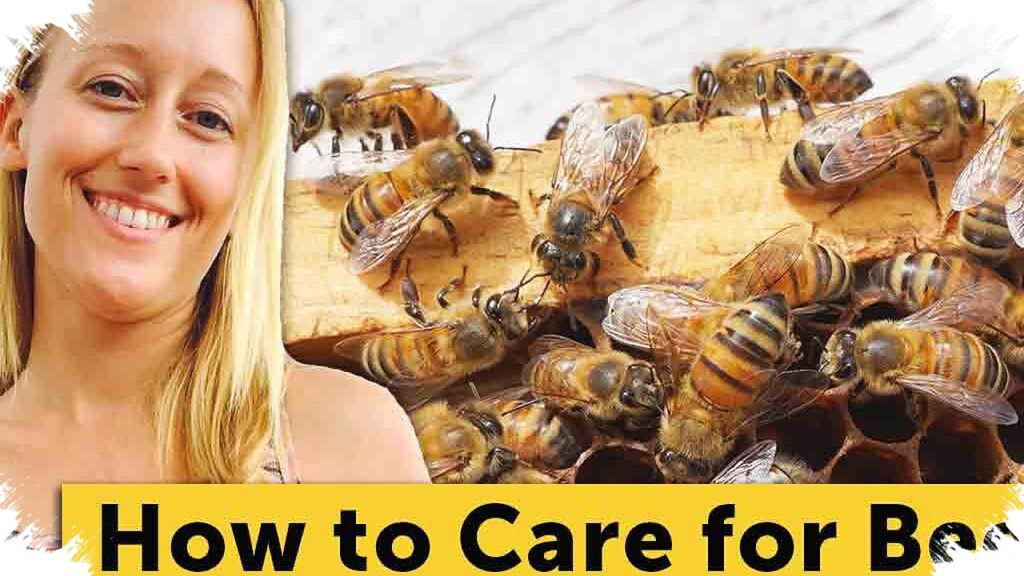
A small home plot can become a practical beekeeping space when the environment is calm, the setup is basic, and the colony is handled with care. For those looking for a side business with modest starting capital, home-based honey bee farming is often seen as a workable option because the core needs are relatively simple and the product remains in steady demand.
One of the main reasons this activity attracts attention is the potential to produce pure honey with strong market value. The business can start on a limited scale, yet it still offers room to grow as the colony stabilizes and expands.
Starting capital that stays within reach
For beginners, the reference material states that around Rp 600.000 is enough to care for four bee boxes. That level of capital makes this type of livestock business look more accessible than several other farming ventures that require larger early operating costs.
The scale can be increased gradually as colonies multiply and maintenance becomes more consistent. For a larger operation, the minimum number of bee boxes is said to be 40 units, while 100 boxes is considered ideal for supporting colonies more optimally.
Location plays a major role
Success depends heavily on the surrounding environment where the hives are placed. Areas with heavy activity are best avoided because constant disturbance can stress the colony and make bees more aggressive.
A temperature of around 25°C is mentioned as ideal for supporting honey bee cultivation. The area around the boxes should also be planted with flowers so bees can find natural food sources more easily near the site.
Basic equipment before the colony arrives
Before any colony is introduced, several tools and materials need to be prepared. These include mahogany or suren wood boards with a thickness of 3 cm, wooden hive frames, a smoker, protective clothing, a head covering, a mask, and thick gloves.
These items are not just accessories but part of the core safety setup. Bees may react defensively when the hive is opened or moved, so full body protection helps reduce risk during routine handling.
Simple hive construction and early feeding
The bee box itself can be built in a straightforward way, similar to a wooden crate. Its main function is to serve as the colony’s home and as the place where hive frames are installed.
The reference gives a box size of 25 cm in width and around 30 to 40 cm in length. Inside the box, a wooden frame must be placed for the nest, along with a special container for initial feed.
At the early stage, the feed can be royal jelly or sugar water. This helps the bees adapt after being moved into the new hive and keeps the colony conditions stable during the transition period.
Choosing the right stock determines the outcome
Once the hive is ready, selecting the bee stock becomes the next important step. The reference mentions mellifera as the type of bee capable of producing quality honey.
The transferred stock should also be complete, consisting of worker bees, male bees, and a queen bee. This composition is necessary so the colony can develop normally inside the prepared box.
Daily care remains simple but disciplined
Honey bee farming is described as relatively easy to maintain, although it still requires careful observation. After the bees are moved, the inside of the box can be coated with royal jelly or supplied with sugar water to help them settle faster.
After that, attention shifts to hive cleanliness and the condition around the box. The hive must be protected from termites, while the surrounding area should be kept free from wild grass and other disturbances that may interfere with colony activity.
The business is also considered efficient because the farmer does not need to provide large amounts of main feed every day. Bees can find food on their own from the environment, especially when flowering plants are available near the farming area.
Harvesting requires extra caution
Harvest time calls for more caution than everyday maintenance. Bees can become aggressive when the hive is opened, so full protective equipment is necessary.
Smoking is used to help move the bees away from the box before the frames are taken out slowly. This approach reduces stress on the colony and makes the honey extraction process easier to manage.
The reference also notes that if a nest section contains eggs, the contents should be cooked first so the material can be consumed in a better condition. That detail shows that harvesting is not only about collecting honey, but also about handling the hive contents carefully and responsibly.
Why the business still draws interest
The appeal of home beekeeping comes from both product quality and operational efficiency. Honey produced from a managed colony is described as having better purity because it is not mixed with other ingredients.
Another advantage is that bees reproduce naturally, so there is no need for manual mating. Combined with the selling price listed in the reference at Rp 80–Rp90 ribu per kilogram, the business remains an interesting option for household-scale activity and future expansion.