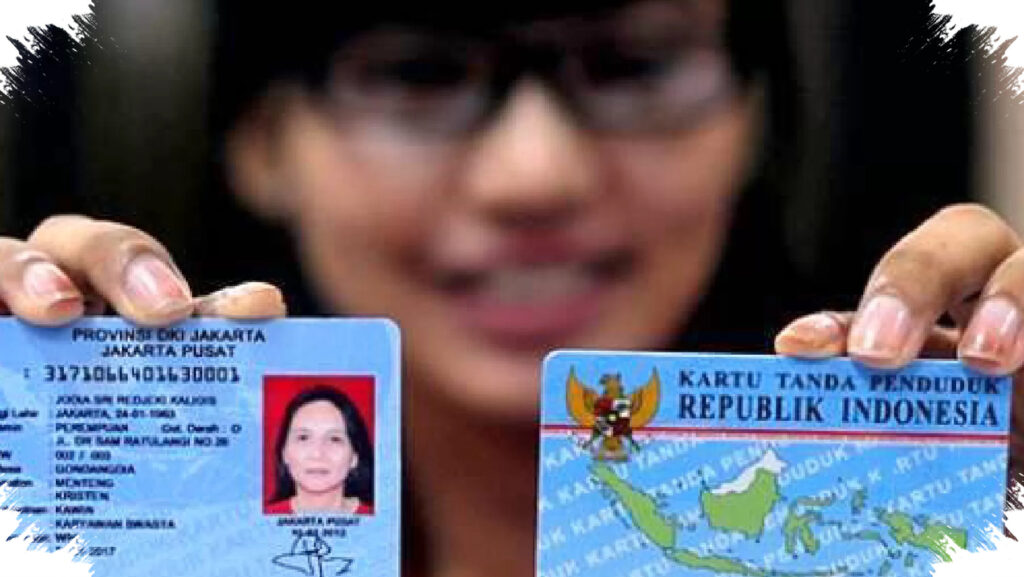
Digital identity is becoming a more visible part of public services, and KTP Digital is often seen as the more convenient option for everyday use. Its appeal comes from a simpler format, faster access to identity data, and a more connected system that brings several documents into one application.
Even so, the conventional E-KTP still holds one major advantage that has not been fully replaced: broader accessibility. For many people, the physical card remains the easiest form of identification because it does not depend on a smartphone, an app, or active digital readiness.
Different formats, different habits of use
The contrast between the two is easy to see in daily practice. E-KTP comes as a plastic physical card that can be carried in a wallet and shown whenever needed.
KTP Digital, by contrast, lives inside the IKD application on a smartphone. Users open the app and display their identity details or a QR code for officers to scan, which can make the process feel faster when the required device and system are available.
That difference shapes how each version fits into public administration. The physical card remains familiar because it does not require extra equipment beyond the card itself, while the digital version depends on a mobile device and the readiness of the party checking the data.
How the data is stored
The two identity systems also differ in the way they store information. E-KTP keeps data on a chip embedded in the card, and that chip can be read with specialized tools available at certain institutions.
KTP Digital uses a centralized cloud-based government system. This makes the information accessible through the IKD app whenever the device and access conditions are in place.
That structure gives the digital version a practical advantage when data needs to be updated. Changes can be managed digitally without waiting for a new card to be printed every time information changes.
More than just basic identity
KTP Digital is not limited to a single identity display. The application can also show other connected documents, making it a wider administrative tool for users who are already comfortable with mobile services.
The source material mentions several items that may appear in the app, including Kartu Keluarga, NPWP, vaccination certificate, BPJS Kesehatan information, and other population documents. By bringing these records into one platform, the system reduces the need to carry separate documents for different verification steps.
For users who often deal with administrative processes, this integrated setup can save time. It also reflects a broader direction in population services, where one application can serve as a central access point for multiple identity-related needs.
Security remains a central concern
KTP Digital is designed with layered protection. Its safeguards include two-factor authentication, face verification, data encryption, and QR code validation.
E-KTP also has protection through the chip inside the card, although its system does not operate in real time in the same way as the digital version. That difference matters because identity security is not only about where data is stored, but also about how access is controlled and how quickly verification can happen.
In practice, both formats rely on different security approaches. The digital model emphasizes authentication and live validation, while the physical card relies on embedded chip-based verification.
Why the physical card still matters most
Despite the practical advantages of KTP Digital, E-KTP still leads in one crucial area: reach. Anyone who has completed data recording at Dukcapil can have the physical card, making it available to a wider range of residents.
KTP Digital still requires a smartphone and activation through Dukcapil officers. That requirement naturally limits access for people who do not yet have adequate devices or who are not ready to move into a fully digital system.
This is where the conventional card remains important. It can be used without depending on applications, network access, or digital skills, which makes it more inclusive across different groups of citizens.
Efficiency does not always mean replacement
KTP Digital is more efficient in some administrative situations because changes such as address or status updates can be handled directly in the system. That reduces the need for reprinting a card every time data changes.
Still, E-KTP continues to serve as a practical everyday identity document. Its format is simple, widely recognized, and easier to use for people who need a straightforward solution without additional digital requirements.
As public services move further toward digital systems, KTP Digital offers a more compact and connected identity model. At the same time, E-KTP remains essential because its physical form continues to provide the broad access that digital identity has not yet fully matched.