


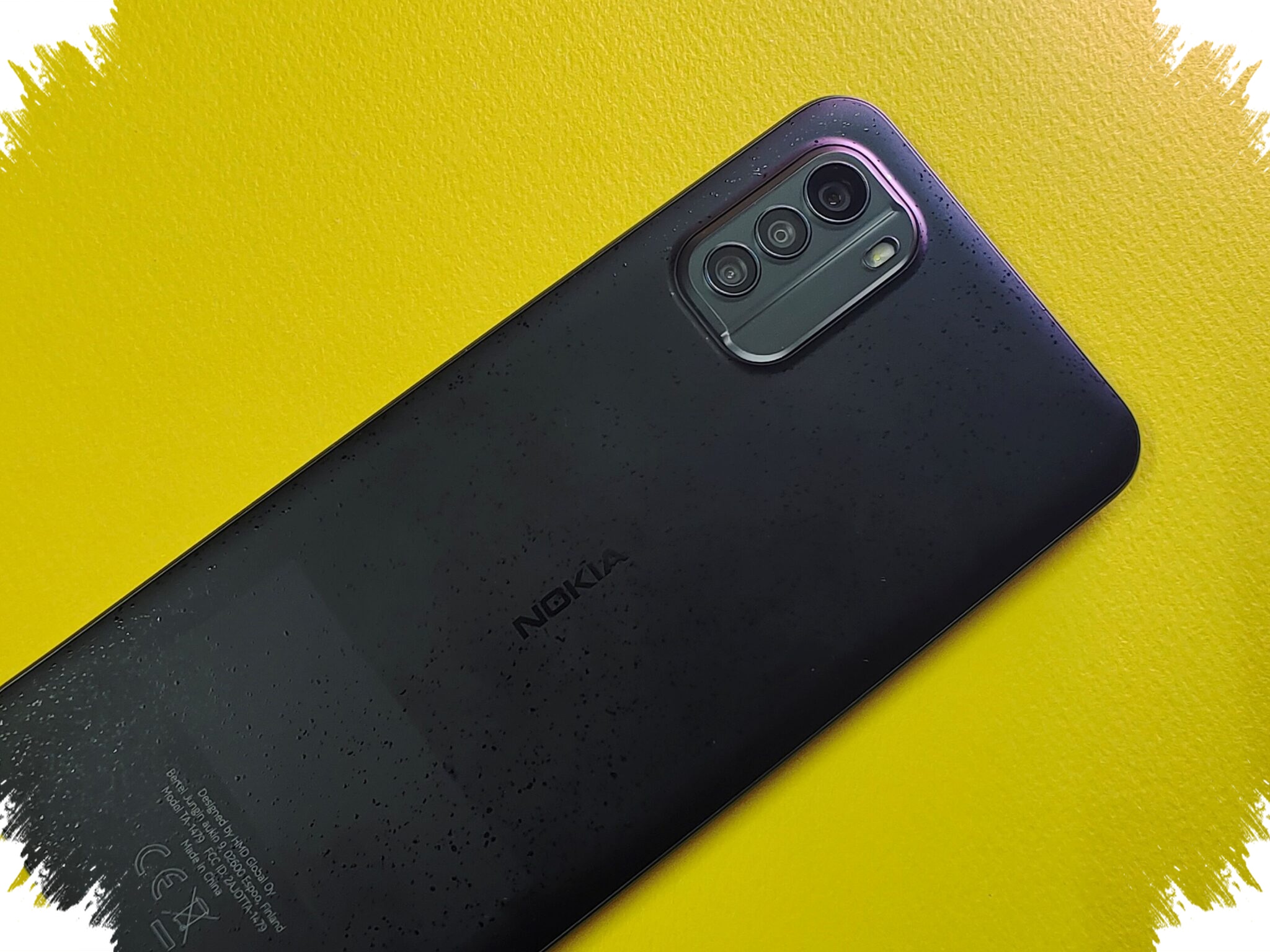
Nokia G60 5G stands out for one clear reason during video capture: its images look sharp enough to hold attention even before the sound is considered. The phone delivers lively colors, solid detail, and a dynamic range that is wide enough to keep highlights and shadows reasonably balanced in everyday recording.
That strength in visuals makes the device appealing for casual creators, but the overall experience is not equally polished on the audio side. Testing points to Nokia’s OZO Audio handling as the area that holds the phone back, because recorded sound can come across as muted instead of clear and open.
Strong video output remains the main attraction
A comparison test by YouTube creator DrNokia showed that the rear camera on the Nokia G60 5G performs well in real use. The footage appears visually confident, especially when the scene contains uneven lighting that normally makes a phone struggle.
In those situations, the camera keeps transitions between bright and dark areas under control. That gives the video a more comfortable look and makes the phone a practical choice for short clips, daily moments, and simple content recording.
Stabilization adds real value when moving
Another point that helps the Nokia G60 5G is its video stabilization. When used while walking, the camera reduces shake effectively enough to make the footage feel smoother and easier to watch.
This does not turn the phone into a full professional rig, but it does create a more controlled result for users who record without external accessories. For light documentation and spontaneous shooting, that stabilization support is one of the device’s most useful strengths.
Audio OZO does not match the camera’s visual quality
The weaker side appears when audio is examined more closely. The camera front and Audio OZO testing produced recordings that sounded somewhat muffled, which means vocal detail was not captured as cleanly as expected.
The issue was noticeable in both front and rear camera use. That suggests the problem is not limited to one capture mode, and it may involve either microphone processing or hardware behavior affecting how sound is picked up.
Dual-side function offers flexibility, but with a trade-off
Nokia G60 5G still includes Dual-side, previously known as Bothie. This feature lets the front and rear cameras record at the same time, which is useful for vlogs or videos that need two perspectives in a single take.
However, the convenience comes with a compromise. Once Dual-side is enabled, video stabilization is automatically disabled, and the recording becomes more prone to shake.
Quick look at the main test results
| Aspect | Test result |
|---|---|
| Video color | Lively and sharp |
| Dynamic range | Fairly wide |
| Stabilization | Effective while walking |
| Audio OZO | Sounds muted |
| Dual-side | Useful, but without stabilization |
The table makes the balance of the phone’s strengths and weaknesses easy to see. The imaging side performs better than the audio side, and that difference matters for users who want a more complete video capture experience.
For those who need steadier footage while moving, a tripod or gimbal is the safer option, especially when Dual-side is turned on. Without extra support, the result can be less comfortable to watch if the subject moves or the hand is not fully stable.
Nokia G60 5G still has clear appeal for users who value sharp visuals over everything else. Its camera output remains suitable for casual recording and everyday documentation, but the muted Audio OZO performance leaves the sound side needing further attention.