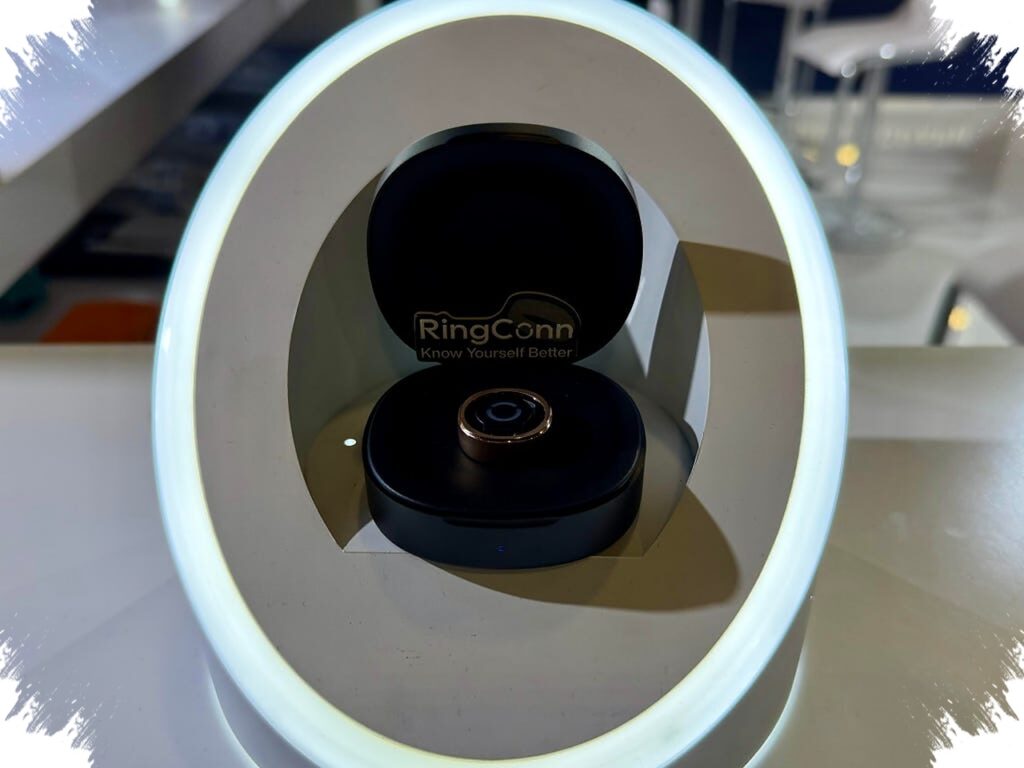
RingConn is preparing to bring the Gen 3 Smart Ring to market, and the device is drawing attention for two features that are still relatively uncommon in this category: blood pressure monitoring and haptic feedback. The smart ring is aimed at users who want broader health tracking without relying on a screen or a larger wearable device.
The company has already signaled that the product will launch on Tuesday, May 5. What remains unclear is whether that date will mark the start of pre-orders or the beginning of direct shipping to buyers.
Haptic alerts stand out
One of the most distinctive updates on the RingConn Gen 3 is the addition of a vibration motor. That change gives the ring a more active role than many competing smart rings, which typically work only as passive trackers.
According to the company’s description, the haptic alerts can notify users when a daily step goal has been reached or when the system detects an unusual heart rate. For a device worn on the finger, that kind of direct response may make activity and health alerts feel faster and more immediate.
The feature also adds practical value to a product that is very small by design. In a smart ring market that is still developing, a built-in vibration motor could become one of the main reasons users take a closer look at the RingConn model.
Blood pressure feature relies on estimates
The other major talking point is blood pressure monitoring, although RingConn is not presenting this as a direct medical measurement. Instead, the company says the ring estimates the risk of high blood pressure.
That estimate is based on a mix of signals, including heart rate, SpO2, skin temperature, and motion data. This means the Gen 3 should be understood as a device that provides a risk indicator rather than a replacement for a conventional blood pressure monitor used in medical settings.
That distinction is important for anyone evaluating the feature. The ring may help surface useful health trends, but the company’s own explanation keeps it firmly in the category of estimation rather than direct blood pressure measurement.
Larger size range and claimed battery life
RingConn Gen 3 also expands its size options. The ring will be available from US size 6 through 15, which matters because fit can affect both comfort and tracking performance on a device of this type.
The company also claims more than 10 days of battery life. If that holds up in real-world use, the ring could appeal to users looking for a daily wearable that does not need frequent charging.
RingConn has further stated that sleep and activity tracking are more accurate on this generation. That claim will likely be watched closely once the device is available to buyers and used in everyday conditions.
No subscription remains part of the appeal
Long before launch details were confirmed, RingConn had already highlighted one of the product’s strongest selling points: the main features will not require a subscription fee. In a market where many wearables place key functions behind recurring payments, that approach could make ownership easier to predict.
The company first showed the device at CES in January, but at the time it did not reveal pricing or availability. It only emphasized that the core features would stay free to use, a decision that may help the Gen 3 stand out as more consumers compare total cost rather than just upfront price.
Pricing is still unknown, though the current RingConn Gen 2 sells for $386. The final number for the new model will likely shape how competitive the Gen 3 appears once it officially reaches the market.
For now, the launch date, the haptic alerts, the blood pressure risk estimation, and the no-subscription model are the main details driving interest, while buyers continue to wait for confirmation on pricing and whether May 5 will bring pre-orders, shipping, or both.